

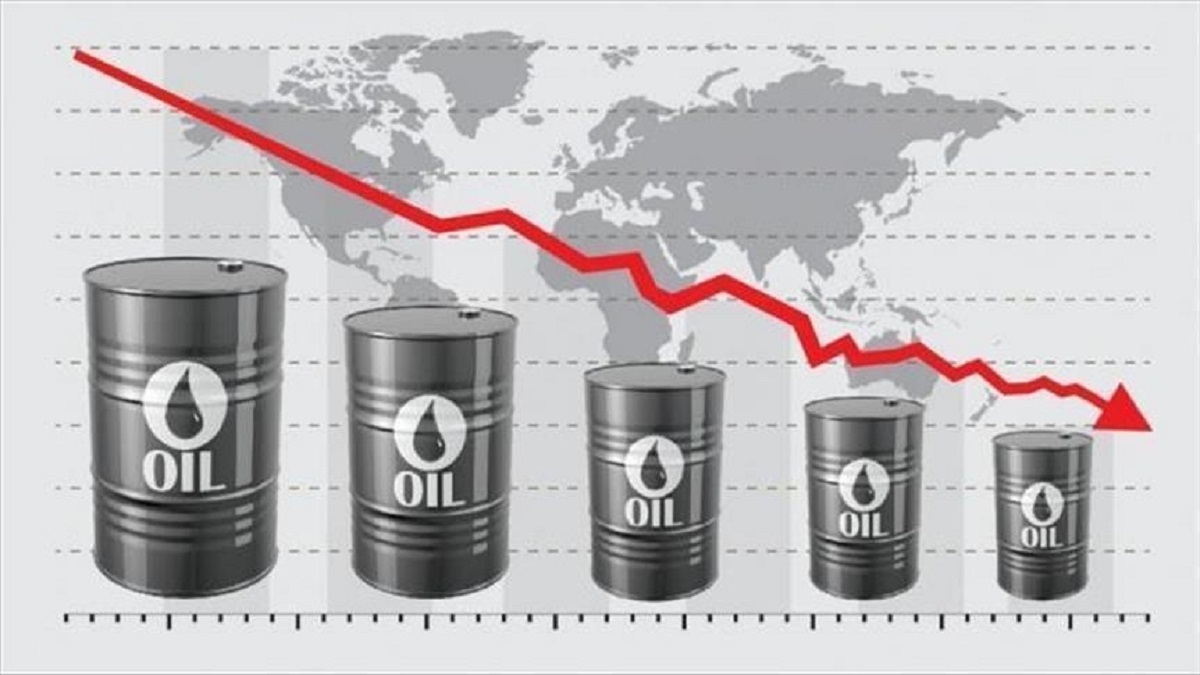
Oil Declines as US Dollar Strength Curtails Demand
Oil prices declines as strong US dollar against peers raised energy costs, and cause demand to slow in the global commodity market. Brent crude traded at $84.90 per barrel, a decrease of 0.29% from the closing price of $85.15 per barrel in the previous trading session.
West Texas Intermediate (WTI) traded at $81.43 per barrel at the same time, a 0.25% fall from the previous session that closed at $81.63 per barrel.
Strong US dollar against other currencies, dulled oil demand and supported price declines. Strong dollar is expected to further reduce demand by making oil more expensive for foreign currency users.
Ongoing uncertainties over the timing of the Fed interest rate cut continue to influence prices by raising demand concerns.
The probability of the Fed’s first rate cut in September is 74% and 90% for November. The possibility of the bank cutting interest rates for the second time in December is 90%.
Analysts expect growth and personal consumption data in the US, due later in the week, to give clues about the steps that the bank will take in the coming period.
High interest rates for longer could reduce oil demand and in turn lower prices further while low interest rates reduce the value of the US dollar relative to other currencies.
Meanwhile, escalating geopolitical tensions in the Middle East, home to the vast majority of global oil reserves, fueled market players’ concerns about the possibility of a disruption in global energy supply routes and limited price declines.
The head of the Hamas group, Ismail Haniyeh, lost several family members, including his sister, over the course of an overnight airstrike on their home in western Gaza City on Tuesday.
According to a statement, the Israeli army claimed responsibility for the attack on two buildings in the Beach refugee camp and the Al-Daraj neighborhood, alleging they were used by the Hamas group.
Oil markets settled higher for a second consecutive week last week. ICE Brent was up almost 3.2%. However, the market showed some weakness towards the end of the week and this has carried through into early morning trading today.
The latest data from the National Bureau of Statistics (NBS) shows that crude oil refinery output in China fell 1.8% year-on-year in May, primarily due to planned/unplanned maintenance outages and curtailed processing rates on account of higher crude oil prices and lower margins.
Chinese refiners processed 60.5mt (around 14.25m barrels/d) of crude oil last month. Cumulatively, China’s crude oil processing has dropped by around 0.3% to 301.8mt of crude oil over the first five months of the current year compared to around 8.7% of growth seen for the full year 2023.
Meanwhile, crude oil output in the country rose marginally by 0.6% YoY to 18.15mt (around 4.27m barrels/d), while cumulative production grew 1.8% YoY to 89.1mt (around 4.28m barrels/d) over the first five months of the year. Nigerian Treasury Bills Yield Slides to 20.2%
