

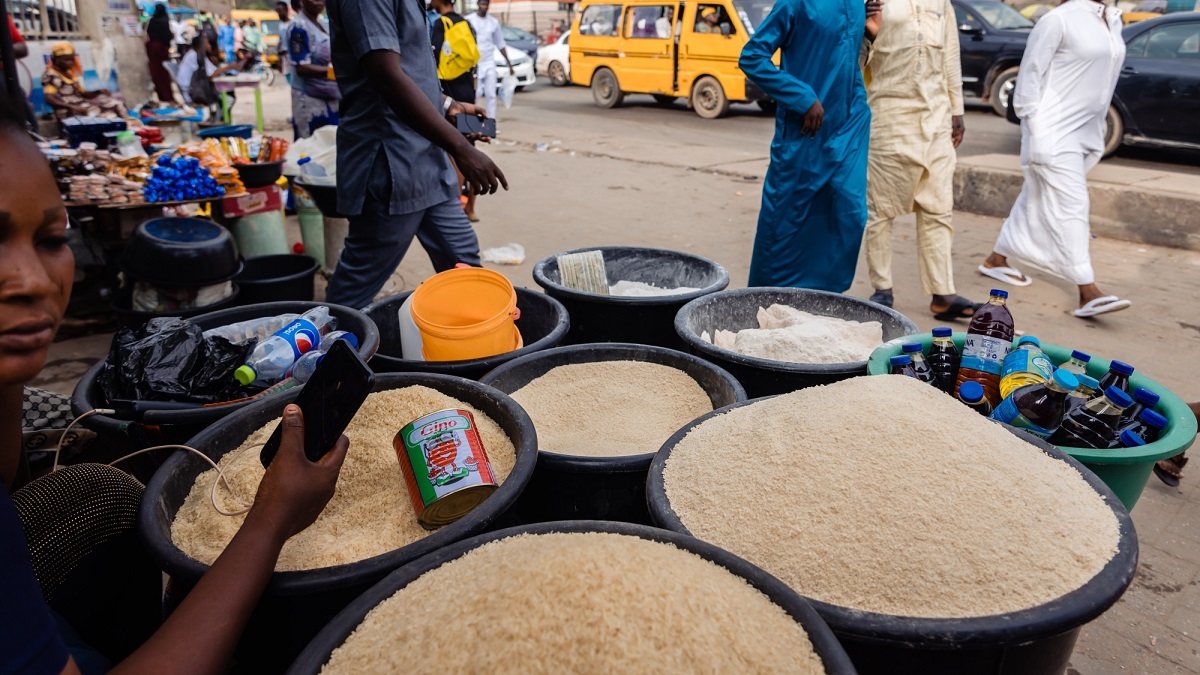
Official FX Rate for Imports Duties Rise by 267%
Nigeria’s inflation woes worsened after naira devaluation. Most companies in the food processing segment rely heavily on foreign input, while some have started looking inwards.
Food inflation has been noted to be one of the major drivers of Nigerian worsening price instability. In 12 months, approved rate for imports has grown by 267% due to devaluation of the naira at the official window.
This has significant impacts on production costs across industries, seen as the basis for continuous prices adjustments on food items, including processed foods and beverages.
Analysts hint that the approved rate for food imports for companies rose from N422.30 per US dollar in May 2023 to N1,549 recently approved by the authority.
“Nigeria’s economic structure has not always aligned with her sectoral policies and development and implementation. This always has repercussion on results. The devaluation of the Naira was done in hurry. New leaders ought to study market dynamics and economic trend rather than sentiment”, LSintelligence Associates said in a chat with MarketForces Africa.
Apart from insecurity, inflation as it is today was a result of policy somersault engineered by the previous administration, analysts corroborated.
The imported inflation has pushed prices of processed food higher significantly higher, while time taken for backward integration programme for some companies in the industry lingers.
The market expects inflation to start dropping from July, 2024 due to base effects. Supporting the expected disinflation outlook is the recently implemented 150-day suspension of import duty on some food commodities, Cordros Capital Limited, said in a commentary note.
The Federal Government recently announced decision to lift duty payment on maize, husked brown rice, wheat, and cowpeas. The move has generated reactions from critics, saying the policy portend greater danger for the agricultural sector.
“While the imposition of import duties on food items has driven up prices, the situation was exacerbated by the transition to a more flexible exchange rate system for estimating the cost of import duties”, Cordros Capital Limited said in its latest update.
Analysts explained that the current approved rate for import duty is N1,549, significantly higher than the pre-reform period of N422.30 in May 2023.
The difference has significantly raised the total import duty costs charged on imported commodities. Analysts said the suspending the import duty on essential raw materials, particularly for food-processing industries, substantially reducing their production costs, potentially lowering the prices for processed foods.
“However, we expect the disinflationary impact of the policy to begin to reflect in the food inflation numbers for August and subsequent months, as food-processing industries may have already stocked up raw materials for July before the import duty removal”, Cordros Capital stated. NHIA Surpasses Target, Covers 18.7m Nigerians in Q2 2024 – DG
