
Close Menu
MarketForces AfricaMarketForces Africa
    What's Hot

    Naira Gains Traction on Improved FX Liquidity, Closing at N1,346/$

    November 3, 2026

    Fitch Revises France’s Outlook to Negative; Affirms at ‘A+’

    November 3, 2026

    CBN Raises N2.9trn as Investors Oversubscribe OMO Bills Offering

    November 3, 2026
    Facebook X (Twitter) Instagram
    Trending
    • Naira Gains Traction on Improved FX Liquidity, Closing at N1,346/$
    • Fitch Revises France’s Outlook to Negative; Affirms at ‘A+’
    • CBN Raises N2.9trn as Investors Oversubscribe OMO Bills Offering
    • NGX Index Climbs as Access Holdings, Transcorp Power Rally
    • AFC, GCF Unlock $690 Million in Climate Finance
    • OPay: Business Fundamentals Unaffected by NYSE Listing Suspension – Analysts
    • XRP Decouples from Bitcoin, Rises to $1.26 as Wallets Grow
    • Oil Prices Surge as US Strikes Iran’s Island, Brent Tops $106
    • Home
    • About Us
    Facebook X (Twitter) Instagram LinkedIn WhatsApp TikTok Telegram
    MarketForces AfricaMarketForces Africa
    Subscribe
    Wednesday, November 4
    • Home
    • News
    • Analysis
    • Economy
    • Mobile Banking
    • Entrepreneurship
    MarketForces AfricaMarketForces Africa
    MarketForces Africa » MarketForces News » MPC Likely to Reduce Lending Rate by 50 Basis Points– Uwaleke

    MPC Likely to Reduce Lending Rate by 50 Basis Points– Uwaleke

    Julius AlagbeBy Julius AlagbeSeptember 21, 2026Updated:September 21, 2026 News No Comments4 Mins Read
    MPC Likely to Reduce Lending Rate by 50 Basis Points– Uwaleke
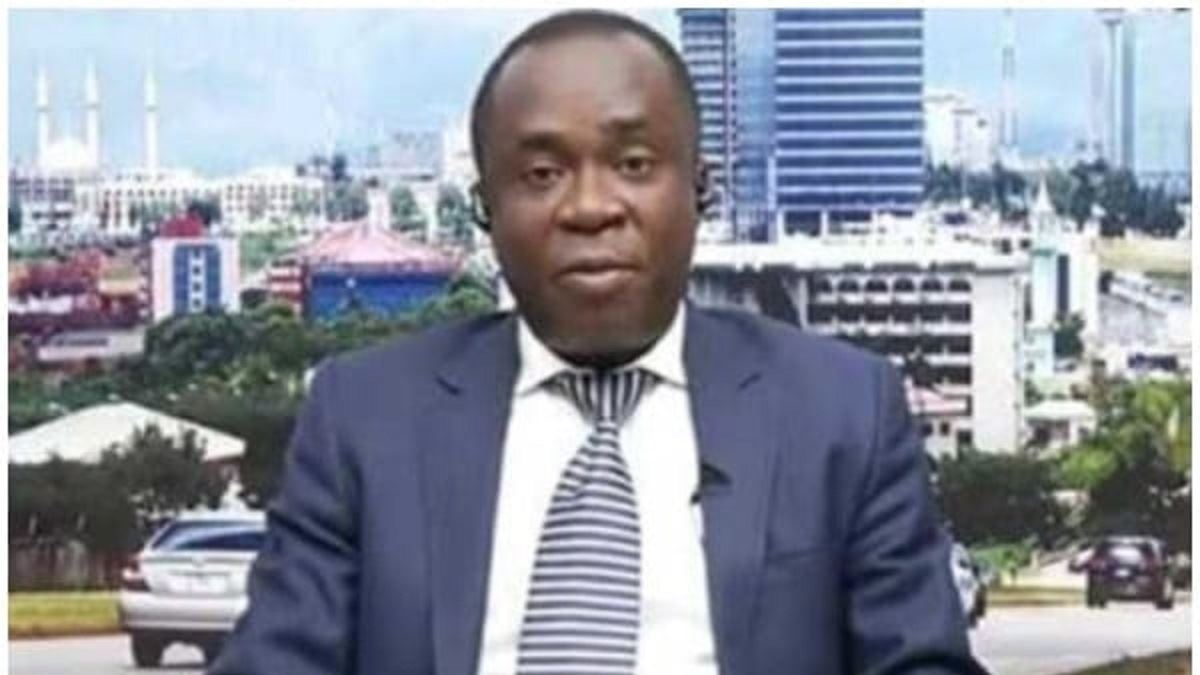
    Prof. Uche Uwaleke
    Share
    Facebook Twitter LinkedIn Pinterest Email Tumblr Reddit Telegram WhatsApp Copy Link

    MPC Likely to Reduce Lending Rate by 50 Basis Points– Uwaleke

    A financial expert, Prof. Uche Uwaleke, says the Monetary Policy Committee (MPC) of the Central Bank of Nigeria (CBN) is likely to reduce the Monetary Policy Rate (MPR) in its next meeting.

    Uwaleke, the Director of the Institute of Capital Market Studies, is also the President of the Capital Market Academics of Nigeria.

    He spoke in an interview with the News Agency of Nigeria (NAN) on Monday in Abuja, against the backdrop of the 307th meeting of the MPC scheduled for Monday and Tuesday.

    The MPC had retained the MPR, the country’s benchmark interest rate, at 26.5 per cent at its 306th meeting in July. The committee also agreed to retain the Standing Facilities Corridor at +50 / -450 basis points around the MPR.

    The Cash Reserve Ratio (CRR) was also retained at 45 per cent for Deposit Money Banks, 16 per cent for Merchant Banks, and 75 per cent for non-TSA public sector deposits.

    According to Uwaleke, reducing the MPR by 50 basis points will be justified by moderating inflation, exchange rate stability, improvement in fx market liquidity, and accretion to external reserves.

    “I also see a mild rate cut against the backdrop of the recently signed Memorandum of Understanding (MoU) between the Minister of Finance and the CBN governor on fiscal and monetary policies collaboration,” he said.

    The expert said that the recent decision by the Federal Ministry of Finance and the CBN to formalise their cooperation through an MoU on fiscal and monetary policy coordination marked an important development in Nigeria’s economic management.

    “For an economy in which government spending, public borrowing, liquidity conditions, exchange-rate movements, inflation and private-sector credit are deeply interconnected, the institutionalisation of regular policy coordination is both timely and economically significant.

    “The MoU provides a framework for cooperation that goes beyond personal relationships between the Minister of Finance and the Governor of the CBN.

    “It establishes structured mechanisms for information-sharing, aligned macroeconomic assumptions and the resolution of areas where fiscal and monetary actions might otherwise work at cross-purposes,” Uwaleke said.

    He said that the next logical step should be to move fiscal and monetary coordination from administrative practice towards a durable institutional framework.

    According to him, the present MoU can provide a useful foundation, but an arrangement of such economic importance should ultimately rest on clear statutory provisions.

    “Nigeria could consider reviewing and, where appropriate, amending the relevant provisions of the CBN Act 2007 and other fiscal-governance legislation to establish a transparent framework for fiscal-monetary coordination.

    “The framework should also clarify the respective responsibilities of the fiscal and monetary authorities, establish procedures for setting broad inflation objectives, and protect the CBN’s instrument and operational autonomy.

    “Such legislation should not create a mechanism through which fiscal authorities can dictate monetary-policy decisions. Rather, it should codify the distinction between shared macroeconomic objectives and independent policy instruments,” he said.

    Uwaleke said that the fiscal authority should remain responsible for fiscal policy, taxation, public expenditure and debt management, while the CBN should retain the authority necessary to conduct monetary policy.

    “At the same time, both institutions should be required to exchange information, publish relevant assumptions and explain publicly how their policies interact.

    “The broader objective should be a coherent economic policy architecture in which monetary, fiscal, trade, financial and structural policies reinforce one another.

    “Indeed, Nigeria’s current circumstances make this institutional question especially urgent.

    “The country has made measurable progress in rebuilding macroeconomic stability, but inflation, financing costs, food and transport pressures, weak monetary transmission and the need for stronger private-sector credit continue to present difficult policy challenges.

    “The CBN’s own 2026 outlook anticipates further disinflation and a lower interest-rate environment while recognising the importance of monetary conditions, fiscal operations and financial-market stability,” he said.

    Nigeria’s Foreign Reserves Rise to $54.41bn, Highest in 18-Year

    CBN Lending rate MPC Uawaleke
    Share. Facebook Twitter Pinterest LinkedIn Tumblr Email
    Julius Alagbe
    • Website
    • LinkedIn

    Julius Alagbe is a senior financial journalist and Editor at MarketForces Africa with nearly two decades of experience in finance, accounting, and economics reporting.He is one of Nigeria's most prolific financial market reporters, covering capital markets, monetary policy, corporate earnings, banking, telecoms, and macroeconomic developments across Africa.Julius has built a strong footprint reporting on Nigeria's leading corporates and financial services sector, including coverage of the Nigerian Exchange Group, Central Bank of Nigeria monetary operations, MTN Nigeria, GTCO, and major investment banking transactions.He regularly monitors the CBN’s open market operations, interbank FX markets, and equity market movements, providing readers with real-time intelligence on Nigeria’s financial landscape.His reporting draws on direct access to institutional research from firms including Moody’s Ratings, CardinalStone Securities, Fitch, and other leading African investment houses.Julius brings analytical depth and editorial rigour to every story, making complex financial data accessible to professionals, investors, and policymakers across Africa.Julius Alagbe is based in Lagos, Nigeria.

    Keep Reading

    Naira Gains Traction on Improved FX Liquidity, Closing at N1,346/$

    Fitch Revises France’s Outlook to Negative; Affirms at ‘A+’

    CBN Raises N2.9trn as Investors Oversubscribe OMO Bills Offering

    NGX Index Climbs as Access Holdings, Transcorp Power Rally

    AFC, GCF Unlock $690 Million in Climate Finance

    OPay: Business Fundamentals Unaffected by NYSE Listing Suspension – Analysts

    Add A Comment

    Comments are closed.

    Editors Picks

    Naira Gains Traction on Improved FX Liquidity, Closing at N1,346/$

    November 3, 2026

    Fitch Revises France’s Outlook to Negative; Affirms at ‘A+’

    November 3, 2026

    CBN Raises N2.9trn as Investors Oversubscribe OMO Bills Offering

    November 3, 2026

    NGX Index Climbs as Access Holdings, Transcorp Power Rally

    November 3, 2026

    AFC, GCF Unlock $690 Million in Climate Finance

    November 3, 2026
    Latest Posts

    Naira Gains Traction on Improved FX Liquidity, Closing at N1,346/$

    November 3, 2026

    Fitch Revises France’s Outlook to Negative; Affirms at ‘A+’

    November 3, 2026

    CBN Raises N2.9trn as Investors Oversubscribe OMO Bills Offering

    November 3, 2026

    NGX Index Climbs as Access Holdings, Transcorp Power Rally

    November 3, 2026

    AFC, GCF Unlock $690 Million in Climate Finance

    November 3, 2026

    Subscribe to News

    Get latest news from MarketForces Africa...

    Advertisement
    Facebook X (Twitter) Pinterest Vimeo WhatsApp TikTok Instagram

    News

    • World
    • Politics
    • Economy
    • Business
    • Opinions
    • Fintech
    • Science & Technology

    Company

    • About us
    • Advertising
    • Classified Ads
    • Contact Info
    • Editorial Policy

    Services

    • Subscriptions
    • Research
    • Due Diligence
    • Newsletters
    • Sponsored News
    • Work With Us

    Subscribe to Updates

    Subscribe to updates from MarketForces Africa, an independent financial news service provider.

    © 2026 MarketForces Africa. All rights reserved.
    • Privacy Policy
    • Terms
    • Accessibility

    Type above and press Enter to search. Press Esc to cancel.