
Close Menu
MarketForces AfricaMarketForces Africa
    What's Hot

    CBN to Open N1trn Worth of Treasury Bills for Subscription

    June 15, 2026

    CBN Raises N3.8trn in OMO Bills Sales to Banks, FPIs

    June 15, 2026

    Naira Opens Weak, Foreign Investors Drive $0.93bn FX Inflows

    June 15, 2026
    Facebook X (Twitter) Instagram
    Trending
    • CBN to Open N1trn Worth of Treasury Bills for Subscription
    • CBN Raises N3.8trn in OMO Bills Sales to Banks, FPIs
    • Naira Opens Weak, Foreign Investors Drive $0.93bn FX Inflows
    • South African Rand Firmer as ‘Peace Deal’ Shifts Market Sentiment
    • Global Equities Markets Rally on AI Momentum, SpaceX IPO Debut
    • Anthropic Restricts Access to Fable, Mythos 5 AI Models after US Order
    • Fitch Affirms China at ‘A’ With Stable Outlook
    • Oil Prices Tumble by 5% as Iran Opens Strait of Hormuz
    • Home
    • About Us
    Facebook X (Twitter) Instagram
    MarketForces AfricaMarketForces Africa
    Subscribe
    Monday, June 15
    • Home
    • News
    • Analysis
    • Economy
    • Mobile Banking
    • Entrepreneurship
    MarketForces AfricaMarketForces Africa
    MarketForces Africa » MarketForces News » Global Economy to See 50-Year High Growth in 2021, Says UNCTAD

    Global Economy to See 50-Year High Growth in 2021, Says UNCTAD

    Julius AlagbeBy Julius AlagbeSeptember 16, 2021Updated:October 11, 2025 News No Comments4 Mins Read
    Global Economy to see 50-Year High Growth in 2021, Says UNCTAD
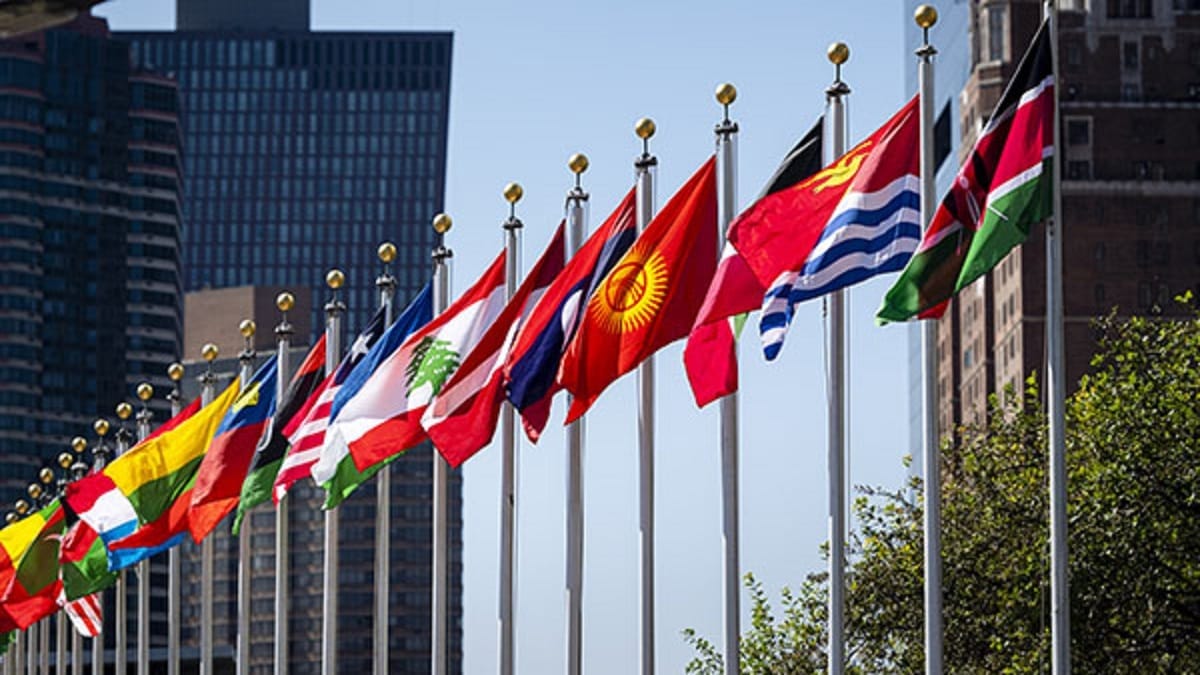
    United Nations
    Share
    Facebook Twitter LinkedIn Pinterest Email

    Global Economy to See 50-Year High Growth in 2021, Says UNCTAD

    The global economy is expected to bounce back in 2021 with a growth of 5.3 per cent, the fastest in nearly five decades, according to the UN Conference on Trade and Development (UNCTAD). In its new report released on Wednesday, the agency said that the rebound was highly uneven along regional, sectoral and income lines, however.

    By 2022, UNCTAD expects global growth to slow to 3.6 per cent, leaving world income levels trailing some 3.7 per cent below the pre-pandemic trend line.

    The report also warns that growth deceleration could be bigger than expected if policymakers lose their nerve or answer what it regards as misguided calls for a return to deregulation and austerity.

    The report says that, while the response saw an end to public spending constraints in many developed countries, international rules and practices have locked developing countries into pre-pandemic responses, and a semi-permanent state of economic stress.

    Many countries in the South have been hit much harder than during the global financial crisis. With a heavy debt burden, they also have less room for manoeuvring their way out through public spending.

    Lack of monetary autonomy and access to vaccines are also holding many developing economies back, widening the gulf with advanced economies and threatening to usher in another “lost decade”.

    “These widening gaps, both domestic and international, are a reminder that underlying conditions if left in place, will make resilience and growth luxuries enjoyed by fewer and fewer privileged people.

    “Without bolder policies that reflect reinvigorated multilateralism, the post-pandemic recovery will lack equity and fail to meet the challenges of our time,” said Rebeca Grynspan, the secretary-general of UNCTAD.

    UNCTAD includes several proposals in the report that are drawn from the lessons of the pandemic.

    They include concerted debt relief and even cancellation in some cases, a reassessment of fiscal policy, greater policy coordination and strong support for developing countries in vaccine deployment.

    Even without significant setbacks, global output will only resume its 2016-19 trend by 2030.

    But even before COVID-19, the income growth trend was unsatisfactory, says UNCTAD. Average annual global growth in the decade after the global financial crisis was the slowest since 1945.

    Despite a decade of massive monetary injections from leading central banks, since the 2008-9 crash, inflation targets have been missed. Even with the current strong recovery in advanced economies, there is no sign of a sustained rise in prices.

    Read Also: Africa remains attractive as global investments flow flat in 2019

    After decades of a declining wage share, real wages in advanced countries need to rise well above productivity for a long time before a better balance between wages and profits is achieved again, according to the trade and development body’s analysis.

    Despite current trends in inflation, UNCTAD believes the rise in food prices could pose a serious threat to vulnerable populations in the South, already financially weakened by the health crisis.

    Globally, international trade in goods and services has recovered, after a drop of 5.6 per cent in 2020. The downturn proved less severe than had been anticipated, as trade flows in the latter part of 2020 rebounded almost as strongly as they had fallen earlier.

    The report’s modelling projections point to the real growth of global trade in goods and services of 9.5 per cent in 2021. Still, the report said, the consequences of the crisis will continue to weigh on the trade performance in the years ahead.

    For the director of UNCTAD’s globalisation and development strategies division, Richard Kozul-Wright, “the pandemic has created an opportunity to rethink the core principles of international economic governance, a chance that was missed after the global financial crisis.”

    “In less than a year, wide-ranging U.S. policy initiatives in the United States have begun to effect concrete change in the case of infrastructure spending and expanded social protection, financed through more progressive taxation.

    “The next logical step is to take this approach to the multilateral level.”

    The report highlights a “possibility of a renewal of multilateralism”, pointing to the United States support of a new special drawing rights (SDR) allocation, global minimum corporate taxation, and a waiver of vaccine-related intellectual property rights.

    UNCTAD warns, though, that these proposals “will need much stronger backing from other advanced economies and the inclusion of developing country voices if the world is to tackle the excesses of hyper globalisation and the deepening environmental crisis in a timely manner.”

    For the UN agency, the biggest risk for the global economy is that “a rebound in the North will divert attention from long-needed reforms without which developing countries will remain in a weak and vulnerable position.”

    Global Economy to see 50-Year High Growth in 2021, Says UNCTAD

    Investors Nigeria
    Julius Alagbe
    • Website
    • LinkedIn

    Julius Alagbe is a senior financial journalist and Editor at MarketForces Africa with nearly two decades of experience in finance, accounting, and economics reporting.He is one of Nigeria's most prolific financial market reporters, covering capital markets, monetary policy, corporate earnings, banking, telecoms, and macroeconomic developments across Africa.Julius has built a strong footprint reporting on Nigeria's leading corporates and financial services sector, including coverage of the Nigerian Exchange Group, Central Bank of Nigeria monetary operations, MTN Nigeria, GTCO, and major investment banking transactions.He regularly monitors the CBN’s open market operations, interbank FX markets, and equity market movements, providing readers with real-time intelligence on Nigeria’s financial landscape.His reporting draws on direct access to institutional research from firms including Moody’s Ratings, CardinalStone Securities, Fitch, and other leading African investment houses.Julius brings analytical depth and editorial rigour to every story, making complex financial data accessible to professionals, investors, and policymakers across Africa.Julius Alagbe is based in Lagos, Nigeria.

    Keep Reading

    CBN to Open N1trn Worth of Treasury Bills for Subscription

    CBN Raises N3.8trn in OMO Bills Sales to Banks, FPIs

    Naira Opens Weak, Foreign Investors Drive $0.93bn FX Inflows

    South African Rand Firmer as ‘Peace Deal’ Shifts Market Sentiment

    Global Equities Markets Rally on AI Momentum, SpaceX IPO Debut

    Anthropic Restricts Access to Fable, Mythos 5 AI Models after US Order

    Add A Comment

    Comments are closed.

    Editors Picks

    CBN to Open N1trn Worth of Treasury Bills for Subscription

    June 15, 2026

    CBN Raises N3.8trn in OMO Bills Sales to Banks, FPIs

    June 15, 2026

    Naira Opens Weak, Foreign Investors Drive $0.93bn FX Inflows

    June 15, 2026

    South African Rand Firmer as ‘Peace Deal’ Shifts Market Sentiment

    June 15, 2026

    Global Equities Markets Rally on AI Momentum, SpaceX IPO Debut

    June 15, 2026
    Latest Posts

    CBN to Open N1trn Worth of Treasury Bills for Subscription

    June 15, 2026

    CBN Raises N3.8trn in OMO Bills Sales to Banks, FPIs

    June 15, 2026

    Naira Opens Weak, Foreign Investors Drive $0.93bn FX Inflows

    June 15, 2026

    South African Rand Firmer as ‘Peace Deal’ Shifts Market Sentiment

    June 15, 2026

    Global Equities Markets Rally on AI Momentum, SpaceX IPO Debut

    June 15, 2026

    Subscribe to News

    Get the latest sports news from Dmarketforces Africa about finance, business and tech.

    Advertisement
    Facebook X (Twitter) Pinterest Vimeo WhatsApp TikTok Instagram

    News

    • World
    • Politics
    • Economy
    • Business
    • Opinions
    • Fintech
    • Science & Technology

    Company

    • About us
    • Advertising
    • Classified Ads
    • Contact Info
    • Editorial Policy

    Services

    • Subscriptions
    • Research
    • Due Diligence
    • Newsletters
    • Sponsored News
    • Work With Us

    Subscribe to Updates

    Subscribe to updates from MarketForces Africa, an independent financial news service provider.

    © 2026 MarketForces Africa. All rights reserved.
    • Privacy Policy
    • Terms
    • Accessibility

    Type above and press Enter to search. Press Esc to cancel.