
Close Menu
    What's Hot

    Reforms Restoring Stability, Investor Confidence – Tinubu

    June 12, 2026

    Oil Prices Dip Below $90 on Potential US-Iran Deal

    June 12, 2026

    ECB Hikes Rates 25bps, Targets 3% Inflation for 2026

    June 12, 2026
    Facebook X (Twitter) Instagram
    • Home
    • About Us
    Facebook X (Twitter) Instagram WhatsApp
    MarketForces AfricaMarketForces Africa
    Subscribe
    Friday, June 12
    • Home
    • News
    • Analysis
    • Economy
    • Mobile Banking
    • Entrepreneurship
    MarketForces AfricaMarketForces Africa
    MarketForces Africa » MarketForces News » Ghana Sees Rapid Fall in Selling Prices as Cedi Rally – PMI
    News

    Ghana Sees Rapid Fall in Selling Prices as Cedi Rally – PMI

    Olu AnisereBy Olu AnisereAugust 6, 2025Updated:August 6, 2025No Comments4 Mins Read
    Share Facebook Twitter Pinterest Copy Link LinkedIn Tumblr Email VKontakte Telegram
    Ghana Sees Rapid Fall in Selling Prices as Cedi Rally – PMI
    Share
    Facebook Twitter Pinterest Email Copy Link

    Ghana Sees Rapid Fall in Selling Prices as Cedi Rally – PMI

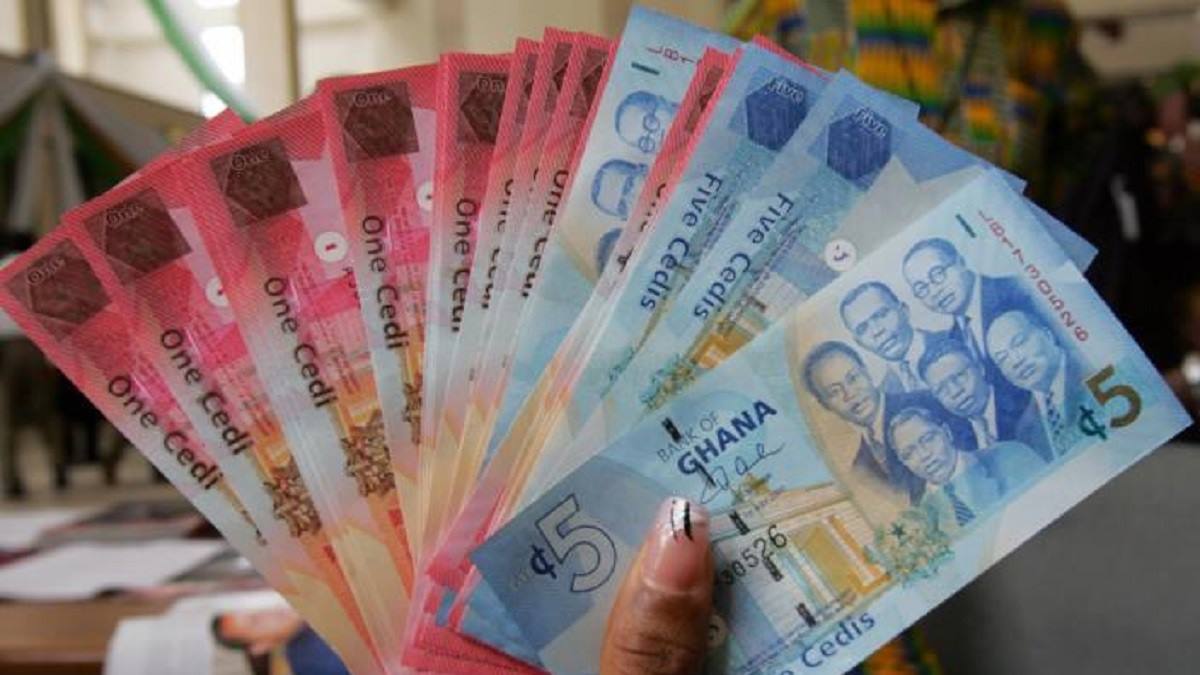
    Companies in Ghana’s private sector lowered their selling prices at a sharp and accelerated pace in July as costs for purchases decreased at the fastest pace on record following a recent appreciation of the cedi, details from July purchasing manager index (PMI) released by S&P Global revealed.

    According to the index, falling prices helped to support strong confidence in the outlook for business activity, but signs of a softening in current demand meant that July saw output decrease slightly for the first time in six months.

    The S&P Global Ghana Purchasing Managers’ Index™ (PMI®) dipped to 50.2 in July from 51.3 in June, remaining just above the 50.0 no-change mark and signalling a marginal strengthening in the health of the private sector.

    The latest improvement was the least marked in the current six-month sequence of strengthening business conditions. As has been the case in recent months, July saw the continued impact of the appreciation of the cedi against the US dollar.

    In fact, purchase costs decreased at the sharpest pace on record, with the rate of reduction surpassing the previous low in March 2020. In turn, companies lowered their own selling prices at a steep and accelerated pace.

    The latest fall was the second-fastest in the series history, only fractionally weaker than that seen in March 2020. While purchase prices decreased, firms continued to see a rise in staff costs, and the pace of inflation in fact ticked higher in July.

    Respondents indicated that they had raised salaries as part of efforts to motivate workers. Despite the rise in staff costs, the steep reduction in purchase prices meant that overall input costs decreased for the third month running, albeit at a slightly softer pace than in June.

    Falling prices and hopes that exchange rates will remain stable supported confidence that output will increase over the coming year.

    Moreover, business sentiment was the strongest since February 2017 as 83% of respondents expressed a positive outlook. While business confidence improved, there were some signs of current demand conditions softening as the second half of the year began.

    New orders increased for the sixth month running as price cuts helped firms to secure new business, but the rate of expansion was only marginal and the softest in the current sequence of growth.

    Meanwhile, business activity decreased, thereby ending a five-month sequence of expansion. Some panellists reported money shortages among clients, which in turn acted to limit output.

    Employment continued to rise solidly in July, albeit with the pace of job creation easing further from May’s series record. Companies linked higher workforce numbers to rising new orders and the filling of previously vacant positions.

     Rising staffing levels at a time of softer new order growth meant that firms were able to deplete backlogs of work again. Moreover, the pace of reduction in outstanding business quickened to the fastest since June 2024. Firms continued to expand their purchasing activity, with the latest increase linked to a combination of falling prices for inputs and higher new orders. That said, the pace of growth eased to the weakest in the current six-month sequence and was only slight. Similarly, inventories also rose, but at a slower pace.

    Suppliers’ delivery times shortened, meaning that vendor performance has now improved on a monthly basis throughout the past four years. The latest shortening of lead times was solid, albeit the least pronounced in three months.

    Andrew Harker, Economics Director at S&P Global Market Intelligence said, “There was no let-up in the downward pressure on prices in Ghana’s private sector during July. On the contrary, output prices decreased at a sharp and accelerated pace as companies passed on a record fall in purchase costs to their customers.

    ‘”July saw a set-back in terms of output, however, which fell amid a softening of new order growth. This will hopefully prove to be a temporary blip, with activity returning to growth once price trends stabilise.

    Indeed, business confidence strengthened to the highest in almost eight-and-a-half years, boding well for the near future. “July’s reduction in interest rates by the Bank of Ghana was consistent with the prices data from the PMI survey, which will be key in illustrating how trends evolve over the coming months”. #Ghana Sees Rapid Fall in Selling Prices as Cedi Rally – PMI ETI Divests Stake in Ecobank Mozambique to FDH Bank

    Ghana PMI
    Share. Facebook Twitter Pinterest LinkedIn Tumblr Email Telegram Copy Link
    Olu Anisere
    • Website
    • LinkedIn

    Olu Anisere is a financial and economic journalist at MarketForces Africa, specialising in African macroeconomic policy, international finance, energy markets, and continental development.He covers major multilateral institutions, including the International Monetary Fund (IMF), World Bank, and the United Nations Economic Commission for Africa (ECA), providing readers with frontline reporting on policies shaping Africa's economic trajectory.Olu has reported extensively on Nigeria's fiscal and monetary policy landscape, including CBN interest rate decisions, Nigeria's bond market, FX inflows, and the country's engagement with global financial institutions.His coverage spans IMF and World Bank Spring and Annual Meetings, African Ministers of Finance conferences, and high-level economic forums where Africa's development agenda is set.His reporting captures perspectives from Africa's most influential economic voices, including Tony Elumelu, senior IMF officials, and CBN leadership, bringing institutional insight and policy depth to MarketForces Africa's readers.Olu also covers Inside Africa — tracking economic, investment, and development stories from across the continent. Olu Anisere is based in Lagos, Nigeria.

    Related Posts

    News

    Reforms Restoring Stability, Investor Confidence – Tinubu

    June 12, 2026
    News

    Oil Prices Dip Below $90 on Potential US-Iran Deal

    June 12, 2026
    News

    ECB Hikes Rates 25bps, Targets 3% Inflation for 2026

    June 12, 2026
    News

    Rand Slides as World Bank Cuts South Africa’s 2026 GDP Growth

    June 12, 2026
    News

    Wall St, European Markets Surge on AI Stock Rally Ahead of SpaceX Debut

    June 12, 2026
    News

    Fitch Affirms African Development Bank at ‘AAA’, Outlook Stable

    June 11, 2026
    Add A Comment

    Comments are closed.

    Editors Picks

    Reforms Restoring Stability, Investor Confidence – Tinubu

    June 12, 2026

    Oil Prices Dip Below $90 on Potential US-Iran Deal

    June 12, 2026

    ECB Hikes Rates 25bps, Targets 3% Inflation for 2026

    June 12, 2026

    Rand Slides as World Bank Cuts South Africa’s 2026 GDP Growth

    June 12, 2026
    Latest Posts

    Reforms Restoring Stability, Investor Confidence – Tinubu

    June 12, 2026

    Oil Prices Dip Below $90 on Potential US-Iran Deal

    June 12, 2026

    ECB Hikes Rates 25bps, Targets 3% Inflation for 2026

    June 12, 2026

    Rand Slides as World Bank Cuts South Africa’s 2026 GDP Growth

    June 12, 2026

    Wall St, European Markets Surge on AI Stock Rally Ahead of SpaceX Debut

    June 12, 2026

    Subscribe to News

    Get the latest sports news from NewsSite about world, sports and politics.

    About US
    About US

    MarketForces Africa is a financial information service provider with interest in media, training and research. The media platform provides information about markets, economies, and crypto, forex markets and investment ecosystem.

    Contact Us:
    Suite 4, Felicity Plaza, Freedom Estate Drive, Lagos-Ibadan Express Road, Magboro
    T: . 08076677707, 08052076440

    Facebook X (Twitter) Instagram Pinterest YouTube
    Latest Posts

    Reforms Restoring Stability, Investor Confidence – Tinubu

    June 12, 2026

    Oil Prices Dip Below $90 on Potential US-Iran Deal

    June 12, 2026

    ECB Hikes Rates 25bps, Targets 3% Inflation for 2026

    June 12, 2026

    Subscribe to Updates

    Get the latest creative news from FooBar about art, design and business.

    © 2026 Marketforces Africa
    • About
    • Contact us
    • Subscription Plans
    • My account

    Type above and press Enter to search. Press Esc to cancel.