

FX Rates Unify as Naira Depreciates at Official, Black Markets
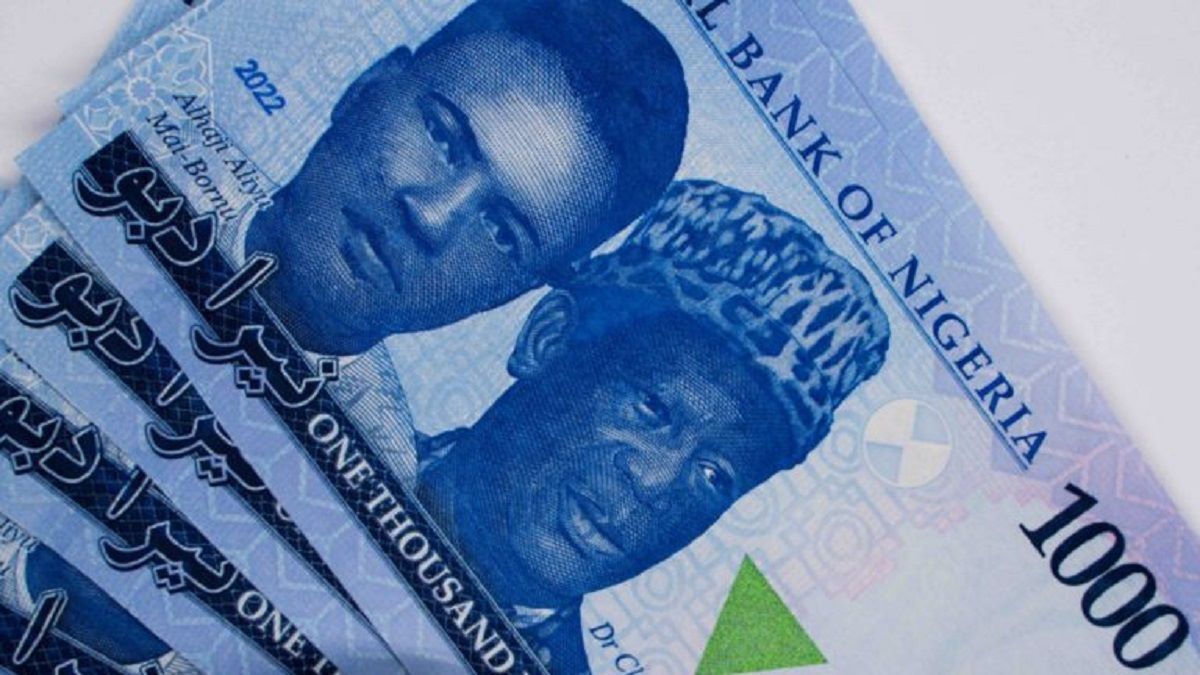
The Nigerian naira depreciated by 0.77% against the US dollar to N1,606.56 in the official market on Wednesday as strong demand for foreign currency exerted pressure on the FX supply.
The naira has again crossed the resistance level amidst intermittent foreign currency sales at the official window to boost FX liquidity in the market. Today, official and parallel market rates meet, suggesting that the naira is not really undervalued as the apex bank claimed.
Investment banking analysts have maintained that the FX liquidity challenge has remained a headwind, a key problem driving negative exchange rate movements across the official, and informal currency markets. The aggregate imports bill remained elevated even after devaluation of the local currency as part of FX reform.
Some Nigerian companies depend on foreign inputs to further production. The Central Bank of Nigeria (CBN) is handicapped to defend the naira strongly due to weak net balance in the nation’s external reserves. Details obtained from the CBN today showed that gross external reserves decreased to $36.36 billion due to sustained outflows for FX payments.
“While the amount is sufficient to provide support for the naira in the foreign exchange market, significant amount out of the gross balance has been pledged or covenanted in international deals”, experts said.
The Nigerian autonomous foreign exchange market traded within the range of N1,470 – N1,606, closing at N1,570.1 per UD dollar in the spot market on Friday. According to data from FMDQ, total volume of US dollar traded at Nigerian autonomous forex market declined by -13.4% or -US$125.5 million, last week to close at USD814.2 million on Friday.
Coronation Research said in a report that the NAFEM window recorded an inflow of USD495.2 million. The breakdown of the sum showed that foreign portfolio investors (FPIs) accounted for 28.1%, CBN 2.8%, non-bank corporates 35.9%, exporters 29.7%, and others accounted for 3.5%.
In the parallel market, the naira gained 0.31% to close at ₦1,605 per US dollar as demand for FX for invisible payments continue to increase. The dual exchange rates depreciation caused the gap between official and parallel market rates to decline to less than N1.
Elsewhere, Brent crude declined by 1.61% to $78.27 per barrel, and West Texas Intermediate (WTI) crude fell by 1.77% to $74.19 per barrel on Wednesday. The price decline in the oil market was driven by growing concerns over weaker global demand and economic uncertainties, including reduced fuel consumption in China and the rise of electric vehicles.
In Europe, declining diesel demand due to weak manufacturing and changes in the vehicle fleet also contributed to the bearish sentiment. These factors outweighed earlier gains from geopolitical risks and supply threats, while the latest EIA data showed a smaller-than-expected decrease in U.S. crude oil inventories, adding further pressure to prices.#FX Rates Unify as Naira Depreciates at Official, Black Markets
