

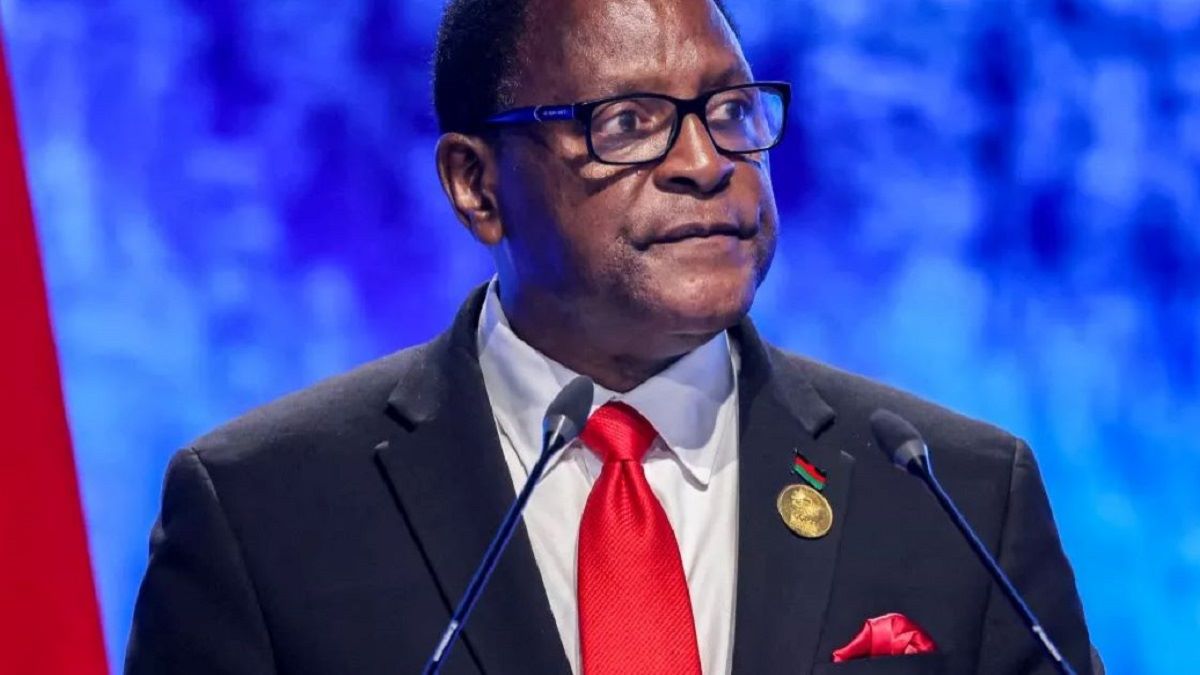
Fiscal, Debt Outlook Magnify Economic Challenges Facing Malawi
Fiscal and debt outlooks, in addition to foreign exchange shortages among buckets of other issues, are restricting growth in Malawi, with inflation standing taller amidst structurally deficient economic structures.
Following the completion of Article IV consultation with Malawi, the International Monetary Fund (IMF) said Malawi continues to face significant macroeconomic challenges.
The fund said the country’s performance has been affected by external shocks, structurally low growth, persistent inflation, unsustainable fiscal and debt dynamics, and declining Official Development Assistance (ODA).
Malawi’s economic activity in 2024 was hindered by lower-than-expected agricultural output and critical foreign exchange shortages, resulting in a decline of real GDP growth to 1.8 percent from 1.9 percent in 2023, IMF said.
Inflation continues at an elevated level and the overall fiscal deficit stood at 10.1 percent of gross domestic product (GDP) in FY2024/25 due to lower-than-projected revenues, election-related spending, and an increasing interest bill.
IMF said 2023 Extended Credit Facility (ECF) for the country automatically terminated on May 14, 2025 after eighteen months since the approval without completing a review.
The official exchange rate against the US dollar has been fixed since April last year, largely erasing the benefits of the November 2023 devaluation.
Inflation – driven by high food prices, elevated money growth, and a wide official-parallel exchange rate spread – peaked at 30.7 percent year-over-year in February 2024, before easing to 27.7 percent in May 2025 in the context of the harvest season.
The current account deficit worsened significantly on elevated import demand. Public debt dynamics remain unsustainable, with total public debt reaching 88 percent of GDP by the end of 2024. The interest bill on public debt is estimated to be approaching 7 percent of GDP.
Over the medium-term, growth is projected to increase moderately from 2.4 percent in 2025 to 3.4 percent by 2029. Inflation is expected to remain high, stabilizing at around 15 percent over the medium term due to continued pressures from money growth and the exchange rate.
Primary deficits are expected to persist, contributing to the inflationary trends. The outlook faces several downside risks, including the potential continuation of loose macroeconomic policies, a greater-than-expected reduction in donor support, persistent trade tensions, social unrest surrounding the elections, and lower food production.
Mining investment and change in policy direction with a strong reform agenda to stabilize the macro economy constitute an upside risk, according to IMF.
Executive Directors agreed with the thrust of the staff appraisal. They stressed that Malawi is at a critical juncture facing high inflation, an unsustainable fiscal and debt outlook, foreign exchange (FX) shortages, and fuel scarcity.
Amid significant downside risks, Directors emphasized the need for decisive and urgent policy action. Stabilizing the economy and implementing reforms to foster sustained and inclusive growth are critical to improving living conditions for Malawians.
Building domestic support for reforms will be crucial, and active engagement with the Fund and donor partners is important to support reform efforts, learning lessons from past experience.
Directors stressed that fiscal consolidation, focused on domestic revenue generation, is essential to reduce inflationary pressures and improve debt sustainability. They urged tax policy and revenue administration reforms to broaden the tax base.
On the expenditure side, it will be essential to contain the interest and wage bills while rebalancing expenditures toward infrastructure and human capital investment and social protection.
Directors encouraged improving public financial management to enhance expenditure control and budget execution, as well as strengthening state owned enterprises. A credible medium term fiscal framework would help anchor fiscal sustainability.
Directors urged the authorities to take decisive steps to restore public debt sustainability in the context of a medium-term adjustment program.
Completing external debt restructuring and addressing the high cost of domestic borrowing are both critical. Strengthening debt management and securing concessional financing will also be key.
Directors urged the authorities to tighten the monetary policy stance to re anchor inflation expectations, supported by fiscal adjustment to eliminate deficit monetization. Fully implementing the Safeguards Assessment recommendations would support central bank independence and monetary policy implementation.
Directors called for vigilance and proactive management of financial sector risks, including those stemming from FX exposure and the sovereign bank nexus. Prudent fiscal policy would support financial sector stability and reduce crowding out of the private sector.
Directors concurred that a unified market clearing exchange rate is integral to achieving macroeconomic stability and providing the basic conditions for accelerating economic growth in the context of a broader adjustment program.
A more flexible, market determined rate would help support macroeconomic stability and help the Malawi economy absorb shocks while rebuilding foreign reserves. Carefully sequencing and communicating the reforms and proactively addressing their potential social and financial impacts would contribute to a successful transition.
Directors underscored the importance of advancing governance and structural reforms to improve the investment climate and promote economic diversification. They highlighted the need to reduce economic distortions and regulatory burdens and advance the fight against corruption.
They also emphasized the importance of enhancing transparency and encouraged the authorities to publish the 2024 Governance Diagnostic Assessment. Strengthening the AML/CFT framework and addressing data gaps will also be important.
It is expected that the next Article IV consultation with Malawi will be held on the standard 12-month cycle, IMF said. #Fiscal, Debt Outlook Magnify Economic Challenges Facing Malawi #Fiscal, Debt Outlook Magnify Economic Challenges Facing Malawi MPC Keeps Interest Rate Benchmark at 27.5%
