
Close Menu
MarketForces AfricaMarketForces Africa
    What's Hot

    Reforms Restoring Stability, Investor Confidence – Tinubu

    June 12, 2026

    Oil Prices Dip Below $90 on Potential US-Iran Deal

    June 12, 2026

    ECB Hikes Rates 25bps, Targets 3% Inflation for 2026

    June 12, 2026
    Facebook X (Twitter) Instagram
    Trending
    • Reforms Restoring Stability, Investor Confidence – Tinubu
    • Oil Prices Dip Below $90 on Potential US-Iran Deal
    • ECB Hikes Rates 25bps, Targets 3% Inflation for 2026
    • Rand Slides as World Bank Cuts South Africa’s 2026 GDP Growth
    • Wall St, European Markets Surge on AI Stock Rally Ahead of SpaceX Debut
    • Fitch Affirms African Development Bank at ‘AAA’, Outlook Stable
    • Naira Depreciates as Interbank FX Turnover Declines
    • Equities Investors Lose N73bn as Nigerian Exchange Index Dips
    • Home
    • About Us
    Facebook X (Twitter) Instagram
    MarketForces AfricaMarketForces Africa
    Subscribe
    Saturday, June 13
    • Home
    • News
    • Analysis
    • Economy
    • Mobile Banking
    • Entrepreneurship
    MarketForces AfricaMarketForces Africa
    MarketForces Africa » MarketForces News » Federal Transfers, Reforms Drive Nigerian States’ Financial Performance –Fitch

    Federal Transfers, Reforms Drive Nigerian States’ Financial Performance –Fitch

    Marketforces AfricaBy Marketforces AfricaNovember 22, 2024Updated:November 22, 2024 News No Comments3 Mins Read
    Federal Transfers, Reforms Drive Nigerian States’ Financial Performance –Fitch
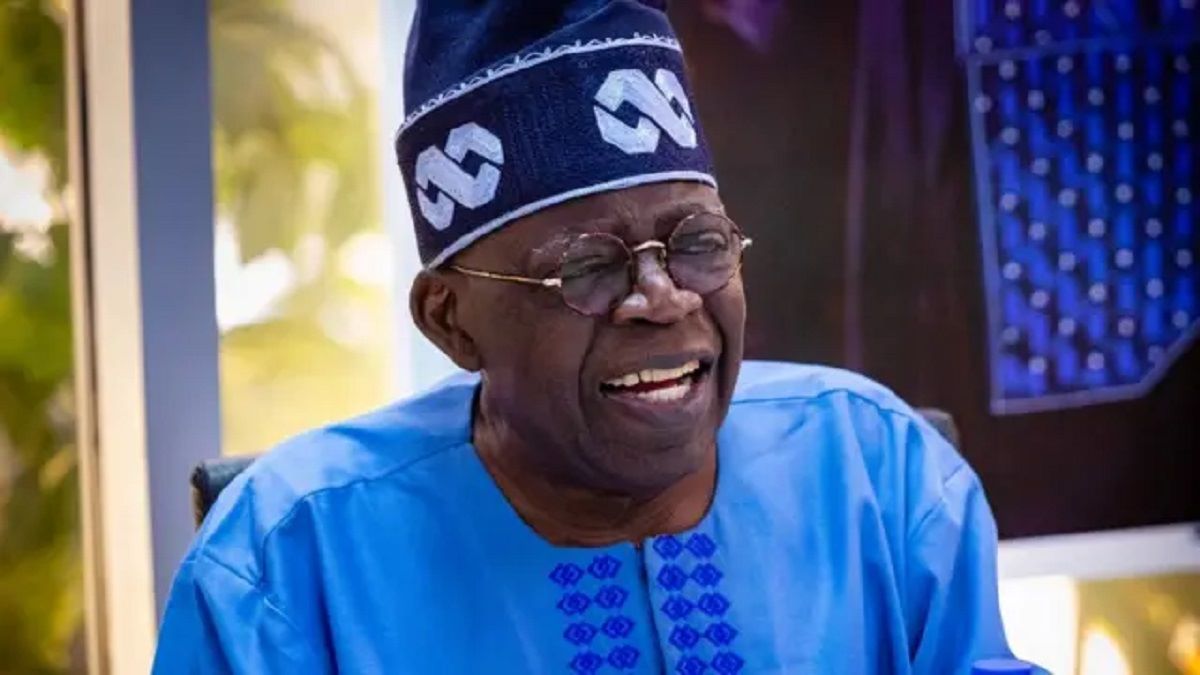
    President Bola Tinubu
    Share
    Facebook Twitter LinkedIn Pinterest Email

    Federal Transfers, Reforms Drive Nigerian States’ Financial Performance –Fitch

    Federal reforms are significantly affecting the financial landscape of Nigerian states, Fitch Ratings says in a new report. Oil-related transfers, which are a major component of monthly revenue distributed by the Federation Account Allocation Committee (FAAC), influence state’s revenue.

    Analysts noted that federal transfers are crucial for almost all states to cover their operating costs and to support investment. All Nigerian states rated by Fitch are on positive outlook, reflecting that of the sovereign and the Federal Government of Nigeria’s policies that affect states’ operating revenue, debt stock and debt service.

    Fitch stated that recent macroeconomic drivers and sector reforms, such as the removal of fuel subsidies and the liberalisation of the exchange rate in 2023, have increased FAAC transfers, but also introduced volatility due to fluctuating oil prices, steep naira depreciation, and surging inflation.

    Nigerian states face several challenges, according to Fitch, noting that internally generated revenue (IGR) growth remains subdued due to socioeconomic constraints and inefficiencies in tax collection.

    Most states depend on FAAC transfers, with Lagos being an exception due to its higher IGR capabilities. Rising current spending, driven by high inflation and recent increases in the minimum wage, further pressures state finances.

    The free-floating naira exchange rate has consistently increased external debt service, eroding the share of FAAC available for autonomous spending, as external debt is serviced through direct deductions from transfers.

    Most Nigerian states rely on subsidised facilities from the federal government to finance their investments, a situation that Fitch Ratings affirmed in its commentary note.

    Despite significant capital expenditure needs, states struggle to fully utilise budgeted capital expenditure due to funding and implementation constraints, with an average of only about 60% of budgeted capex executed.

    Nigerian local and regional governments (LRGs) may not be rated above the sovereign as analysts consider that the national government’s role predominates in intergovernmental relations, Fitch said.

    The global rating agency stated that the federal government controls the equalisation mechanism that is enacted through a system of transfers of oil-related revenue to states, and that decides on additional funding when needed.

    It said withdrawal of fuel subsidies and FX controls increased the flow of transfers to states, while debt service rose sharply with high external debt; however, direct deductions from federal transfers have preserved debt service.

    Fitch views the institutional framework for the LRG sector as evolving due to limited own-revenue-generation capacity and evolving debt and liquidity-management regulations and practices amid the devolution of a wide set of responsibilities to the states.

    It said states have to provide key public services, such as healthcare and education, creating vertical fiscal imbalances that can result in structural funding gaps, in turn leading to higher debt or a propensity to offload risks off-balance sheet. NGX Shrinks by N108bn as Investors Dump OANDO, ACCESS

    Bola Tinubu Lagos Nigeria Reforms States
    Marketforces Africa
    • Website
    • Facebook
    • X (Twitter)
    • Instagram
    • LinkedIn

    MarketForces Africa, a Financial News Media Platform for Strategic Opinions about Economic Policies, Strategy & Corporate Analysis from today's Leading Professionals, Equity Analysts, Research Experts, Industrialists and, Entrepreneurs on the Risk and Opportunities Surrounding Industry Shaping Businesses and Ideas.

    Keep Reading

    Reforms Restoring Stability, Investor Confidence – Tinubu

    Oil Prices Dip Below $90 on Potential US-Iran Deal

    ECB Hikes Rates 25bps, Targets 3% Inflation for 2026

    Rand Slides as World Bank Cuts South Africa’s 2026 GDP Growth

    Wall St, European Markets Surge on AI Stock Rally Ahead of SpaceX Debut

    Fitch Affirms African Development Bank at ‘AAA’, Outlook Stable

    Add A Comment

    Comments are closed.

    Editors Picks

    Nigerian Exchange Rises by N213bn after 7-Day Selloffs

    October 4, 2023

    Black Friday for FX Markets Over New Virus Variant in S.Africa

    November 26, 2021

    Perspective: How the Nigerian Economy Stands – Part 1

    September 1, 2021

    Ticking Debt Clock: How Much Can Nigeria’s Economy Absorb?

    July 28, 2020
    Latest Posts

    Reforms Restoring Stability, Investor Confidence – Tinubu

    June 12, 2026

    Oil Prices Dip Below $90 on Potential US-Iran Deal

    June 12, 2026

    ECB Hikes Rates 25bps, Targets 3% Inflation for 2026

    June 12, 2026

    Rand Slides as World Bank Cuts South Africa’s 2026 GDP Growth

    June 12, 2026

    Wall St, European Markets Surge on AI Stock Rally Ahead of SpaceX Debut

    June 12, 2026

    Subscribe to News

    Get the latest sports news from Dmarketforces Africa about finance, business and tech.

    Advertisement
    Facebook X (Twitter) Pinterest Vimeo WhatsApp TikTok Instagram

    News

    • World
    • Politics
    • Economy
    • Business
    • Opinions
    • Fintech
    • Science & Technology

    Company

    • Information
    • Advertising
    • Classified Ads
    • Contact Info
    • Do Not Sell Data
    • GDPR Policy
    • Editorial Policy

    Services

    • Subscriptions
    • Customer Support
    • Bulk Packages
    • Newsletters
    • Sponsored News
    • Work With Us

    Subscribe to Updates

    Get the latest creative news from FooBar about art, design and business.

    © 2026 Dmarketforces Africa. Designed by Dwallnet.
    • Privacy Policy
    • Terms
    • Accessibility

    Type above and press Enter to search. Press Esc to cancel.