

FCTA Eyes $1.5bn Green Inv. to Overhaul Transport, Energy Sectors
The Federal Capital Territory Administration (FCTA) says it has opened the door to $ 1.5 bn in green capital to overhaul Abuja’s public transportation system, address energy deficits, and tackle urban waste.
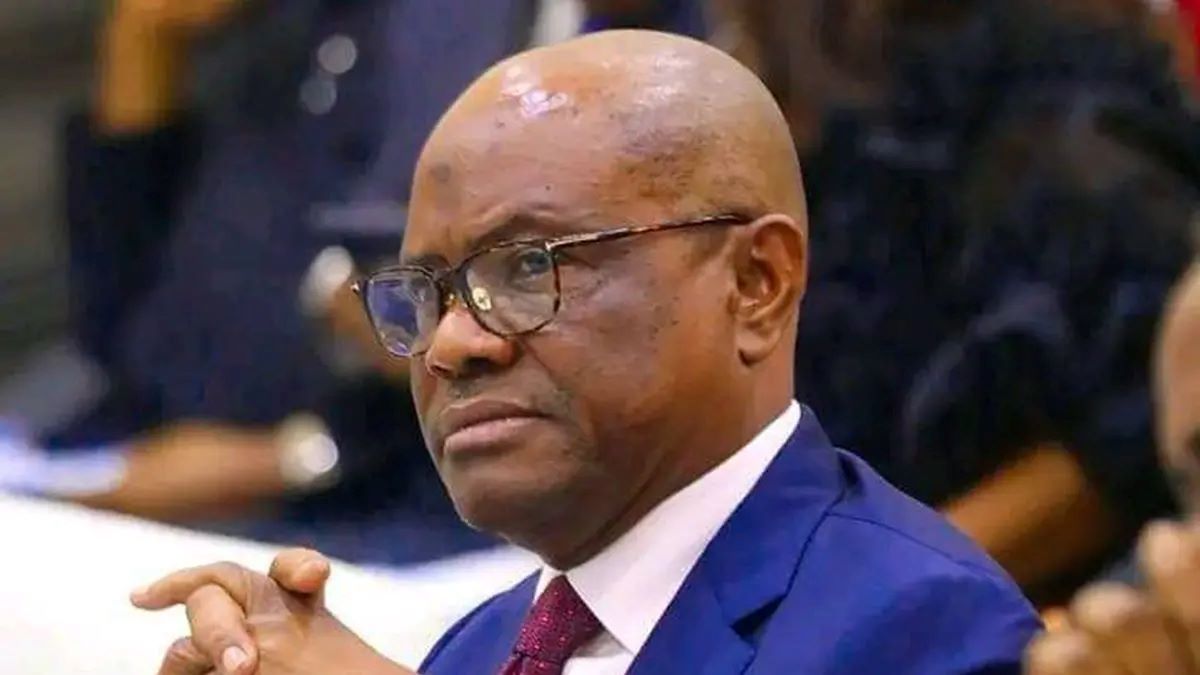
The Minister of FCT, Mr Nyesom Wike, disclosed this in Abuja on Thursday, during the FCT Post-COP30 Investment Roundtable, themed “Mobilising Investment for Green Infrastructure and Sustainable E-Mobility in the FCT.”
Represented by the FCT’s acting Head of Civil Service, Mrs Nancy Nathan, the minister confirmed that the administration had already received two major private-sector investment proposals.
Wike said the proposed investments targeted e-mobility and waste management across the territory. He explained that Magnifique Integrated Concept Ltd. and its consortium partners submitted the integrated e-mobility proposal, valued at about 1.5 billion dollars.
He said that the ambitious project envisions electric mass transit fleets, cleaner vehicle technologies, widespread charging infrastructure, supporting energy systems and modern digital transport services across the territory.
The minister also said Hallmark Technologies and General Services Ltd. submitted a second proposal focused on converting the territory’s waste into usable assets through comprehensive waste-to-wealth systems.
“The expansion of the nation’s capital has placed immense pressure on existing infrastructure. The city’s growth has equally amplified the demand for efficient transit systems, cleaner energy solutions and a climate-resilient urban framework,” he said.
Speaking to newsmen on the sideline of the event, the head of service lamented the environmental impact of ageing vehicles operating on FCT roads, linking heavy vehicular emissions to the extreme weather conditions experienced in the capital this year.
She assured residents that the proposed green initiatives were designed to deliver immediate, practical benefits to everyday citizens on the streets rather than serve as elite policy discussions.
“The e-mobility transition will target peak-hour commute challenges in high-density pockets across the city, deploying clean Compressed Natural Gas (CNG) and electric buses to move commuters quickly and safely,” she said.
She further disclosed that incoming transport operators would integrate smart tracking technologies into public vehicles to curb the menace of “one-chance” criminals operating as commercial transport operators.
She added that the waste management proposal by Hallmark Technologies and General Services Ltd. would also yield biocompost to boost agricultural productivity among FCT farming communities.
According to her, the FCTA has concluded plans for massive public sensitisation campaigns to educate residents on protecting new green infrastructure.
She emphasised that community buy-in was vital to prevent vandalism and ensure project sustainability.
“The FCT Administration is gearing up to showcase these bankable project portfolios at a dedicated side event during the upcoming COP31 summit,” she said.
Reinforcing the administration’s public-private framework, the head of service reiterated the FCT Economic Planning, Revenue Generation and Public-Private Partnership Secretariat’s commitment to structuring commercially viable, transparent, and legally sound PPP models.
She emphasised that while private capital was urgently required to drive economic diversification and infrastructure modernisation, all incoming projects would undergo strict technical feasibility assessments, proper risk allocation and statutory regulatory compliance to protect the public interest.
Earlier, Mr Adamu Wanki, Chairman of the FCT Green Bond Committee and Permanent Secretary of Treasury and Budget Department, explained that the roundtable was convened to build on momentum gathered from the FCT’s participation at COP30 in Belém, Brazil.
Wanki urged participating development finance institutions, private investors, and regulatory bodies to set clear timelines, institutional responsibilities, and financing arrangements to fast-track project readiness.
In her remarks, Mrs Omotenioye Majekodumi, Director-General of the National Council on Climate Change (NCCC), said that Nigeria’s third Nationally Determined Contributions (NDC 3.0) outlines a total national climate financing target of 337 billion dollars between 2026 and 2035.
Majekodumi, who was represented by the Head of Climate Finance at the NCCC, Ms Benny Ejiofor, commended the FCTA for demonstrating subnational climate leadership.
She, however, stressed that success would largely depend on moving beyond policy talks to close financing for investment-ready projects.
She reaffirmed the NCCC’s commitment to supporting the FCT through blended finance structures, green bond instruments and concessional climate finance frameworks to ensure the capital serves as a national benchmark for climate-smart urban development.
On his part, Secretary of the FCT Green Bond Committee, Mr Obiora Ekueme, expressed the committee’s gratitude to the FCT minister for his visionary leadership, commitment to sustainable development and approval to convene the inaugural investment roundtable.
“We must now move beyond discussions and translate COP30 commitments into tangible investments and measurable development outcomes for the residents of the FCT,” Ekueme said.
Reading the communique issued at the end of the event, the Secretary of the FCT E-Mobility Implementation Committee, Dr Uwem Useh, said that the roundtable provided a platform for government, financial institutions, development partners, private sector investors and project developers to explore investment opportunities.
“The roundtable provided the opportunity to explore practical ways of developing bankable projects in areas such as electric mobility, renewable energy, waste management, waste-to-energy, and climate-resilient infrastructure.
“Securing private sector buy-in requires solid regulatory frameworks, operational incentives and innovative risk-sharing mechanisms to de-risk green transit investments, while advocating private sector concession models to build a commercialized waste management ecosystem across the FCT,” Useh said
Oil Prices Surge as US Strikes Iran’s Island, Brent Tops $106
