
Close Menu
MarketForces AfricaMarketForces Africa
    What's Hot

    ‘Why Insurance Penetration is Low in Nigeria – NCRIB

    June 16, 2026

    EU Parliament Approves EU-U.S. Trade Deal Legislation

    June 16, 2026

    Federal Government Moves to Curb Rising Cooking Gas Prices

    June 16, 2026
    Facebook X (Twitter) Instagram
    Trending
    • ‘Why Insurance Penetration is Low in Nigeria – NCRIB
    • EU Parliament Approves EU-U.S. Trade Deal Legislation
    • Federal Government Moves to Curb Rising Cooking Gas Prices
    • Pi Network Climbs Ahead of Pi2Day, Mandatory Nodes Upgrade
    • Nigerian Exchange Shrinks, Tier-1 Banks Drive N782bn Loss
    • Nigeria’s Foreign Reserves Near $51bn, Highest Since Jan. 2009
    • Naira Slides Against Dollar, Interbank Turnover Tops $1.2bn
    • NCC Begins Review of Mobile Termination Rates after 8 Years
    • Home
    • About Us
    Facebook X (Twitter) Instagram LinkedIn WhatsApp TikTok Telegram
    MarketForces AfricaMarketForces Africa
    Subscribe
    Tuesday, June 16
    • Home
    • News
    • Analysis
    • Economy
    • Mobile Banking
    • Entrepreneurship
    MarketForces AfricaMarketForces Africa
    MarketForces Africa » MarketForces News » Analysts See Policy Interest Rate at 14.5% in 2022

    Analysts See Policy Interest Rate at 14.5% in 2022

    Olu AnisereBy Olu AnisereAugust 10, 2022Updated:October 17, 2025 News No Comments4 Mins Read
    Analysts See Policy Interest Rate at 14.5% in 2022
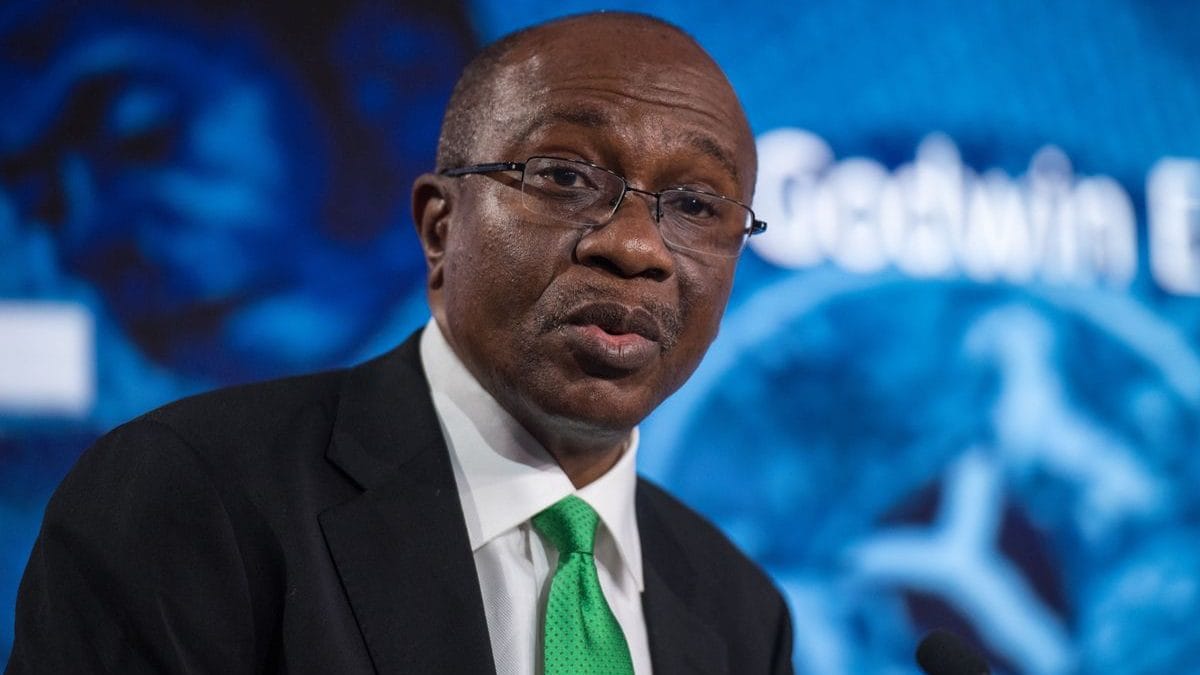
    Godwin Emefiele, CBN Gov
    Share
    Facebook Twitter LinkedIn Pinterest Email Tumblr Reddit Telegram WhatsApp Copy Link

    Analysts See Policy Interest Rate at 14.5% in 2022

    As the Central Bank of Nigeria (CBN) begins its policy tightening in the first half of 2022, a slew of market and economic analysts are projecting a higher benchmark interest rate at the year-end.

    However, the rate of acceleration differs between 14.5% to 15% as global central bankers continue to battle high inflation rates with interest rate hikes to mop up liquidity. READ: US Dollar Falls as Fed Hikes Rates

    A similar trend began in Nigeria in May when the central bank turned fast and furious with 150 basis points interest rate hike, from 11.50% the apex bank retained in two years straight to 13%.

    In July monetary policy committee meeting, the Central Bank of Nigeria raised the policy rate further by 100 basis points to 14%. Analysts told MarketForces Africa that the hawkish mode is driven by Nigeria’s authority move to combat rising headline inflation rate amidst higher unemployment rate and weakening naira.

    If this interest rate hike expectation clicks as the United States (US) Federal Reserve remains consistent with a rate hike, the money pricing rate is projected to close the year at a higher level.

    However, some experts believe that the economic growth would be impacted as the private sector battles rising production costs apart from the fact that growing numbers of companies are recording FX losses.

    The overall impact of an interest rate hike is mixed, according to some analysts that spoke with MarketForces Africa. Most importantly, the private sector could be curtailed while investment return on financial market assets – debt capital instruments- could surge.

    A slew of market analysts sees price level worsening in 2022 due to low agriculture output expectations in the year. In the June reading, Nigeria’s consumer price index which measures inflation worsened as food prices- among other daily needs – increased.

    On top of this, Naira has lost significantly in official and black markets on account of low foreign currency inflows. Oil receipts underperformed in the first half, according to data from the Budget office.

    Though non-oil revenue was relatively making an uptrend, its size was insignificant enough to douse pressures on oil receipts – a segment that accounts for the largest chunk of government income. In its macroeconomic report, Kayode Omosebi, Chief Executive Seeder & Ash Capital see the interest rate at 14.50% in the second half of the year.

    “In Nigeria, rising oil prices did not translate into higher gross and net oil revenues. The 2022 budget allocation showed low allocation to budding sectors like energy, health etc. which would lead to low non-oil revenues.

    “Inflation has also been high at 18.60 % and Food Prices year on year at 19.50% as of May 2022. The country is also experiencing electricity challenges as its national grid has collapsed over 17 times in H1-2022. The nation’s insecurity has worsened as the increase due to high unemployment and banditry activities continue”, Seeder & Ash Capital said.

    Swerving to the banking space, the investment firm said non-performing loans (NPL) rates are also expected to keep rising, increasing the systematic risk of loan providers. It was noted also that high FX and loss in investors’ confidence would make investors seek more foreign investment in place of Nigerian investments.

    “Increasing inflation has led to higher cost of commodities, leading to weak discretionary income, low savings and reduced consumption of non-essential goods. People will shift from quality to quantity and explore lower-quality brands.

    “This will in turn reduce sales and profitability of companies, causing deepening in tech valuations and businesses net profit levels in 2022.  Default risk is also expected to remain high as bad loans and NPLs are expected to increase due to low standards of living”, according to the firm.  # Analysts See Policy Interest Rate at 14.5% in 2022

    Banks Investors
    Share. Facebook Twitter Pinterest LinkedIn Tumblr Email
    Olu Anisere
    • Website
    • LinkedIn

    Olu Anisere is a financial and economic journalist at MarketForces Africa, specialising in African macroeconomic policy, international finance, energy markets, and continental development.He covers major multilateral institutions, including the International Monetary Fund (IMF), World Bank, and the United Nations Economic Commission for Africa (ECA), providing readers with frontline reporting on policies shaping Africa's economic trajectory.Olu has reported extensively on Nigeria's fiscal and monetary policy landscape, including CBN interest rate decisions, Nigeria's bond market, FX inflows, and the country's engagement with global financial institutions.His coverage spans IMF and World Bank Spring and Annual Meetings, African Ministers of Finance conferences, and high-level economic forums where Africa's development agenda is set.His reporting captures perspectives from Africa's most influential economic voices, including Tony Elumelu, senior IMF officials, and CBN leadership, bringing institutional insight and policy depth to MarketForces Africa's readers.Olu also covers Inside Africa — tracking economic, investment, and development stories from across the continent. Olu Anisere is based in Lagos, Nigeria.

    Keep Reading

    ‘Why Insurance Penetration is Low in Nigeria – NCRIB

    EU Parliament Approves EU-U.S. Trade Deal Legislation

    Federal Government Moves to Curb Rising Cooking Gas Prices

    Pi Network Climbs Ahead of Pi2Day, Mandatory Nodes Upgrade

    Nigerian Exchange Shrinks, Tier-1 Banks Drive N782bn Loss

    Nigeria’s Foreign Reserves Near $51bn, Highest Since Jan. 2009

    Add A Comment

    Comments are closed.

    Editors Picks

    ‘Why Insurance Penetration is Low in Nigeria – NCRIB

    June 16, 2026

    EU Parliament Approves EU-U.S. Trade Deal Legislation

    June 16, 2026

    Federal Government Moves to Curb Rising Cooking Gas Prices

    June 16, 2026

    Pi Network Climbs Ahead of Pi2Day, Mandatory Nodes Upgrade

    June 16, 2026

    Nigerian Exchange Shrinks, Tier-1 Banks Drive N782bn Loss

    June 16, 2026
    Latest Posts

    ‘Why Insurance Penetration is Low in Nigeria – NCRIB

    June 16, 2026

    EU Parliament Approves EU-U.S. Trade Deal Legislation

    June 16, 2026

    Federal Government Moves to Curb Rising Cooking Gas Prices

    June 16, 2026

    Pi Network Climbs Ahead of Pi2Day, Mandatory Nodes Upgrade

    June 16, 2026

    Nigerian Exchange Shrinks, Tier-1 Banks Drive N782bn Loss

    June 16, 2026

    Subscribe to News

    Get the latest sports news from Dmarketforces Africa about finance, business and tech.

    Advertisement
    Facebook X (Twitter) Pinterest Vimeo WhatsApp TikTok Instagram

    News

    • World
    • Politics
    • Economy
    • Business
    • Opinions
    • Fintech
    • Science & Technology

    Company

    • About us
    • Advertising
    • Classified Ads
    • Contact Info
    • Editorial Policy

    Services

    • Subscriptions
    • Research
    • Due Diligence
    • Newsletters
    • Sponsored News
    • Work With Us

    Subscribe to Updates

    Subscribe to updates from MarketForces Africa, an independent financial news service provider.

    © 2026 MarketForces Africa. All rights reserved.
    • Privacy Policy
    • Terms
    • Accessibility

    Type above and press Enter to search. Press Esc to cancel.