

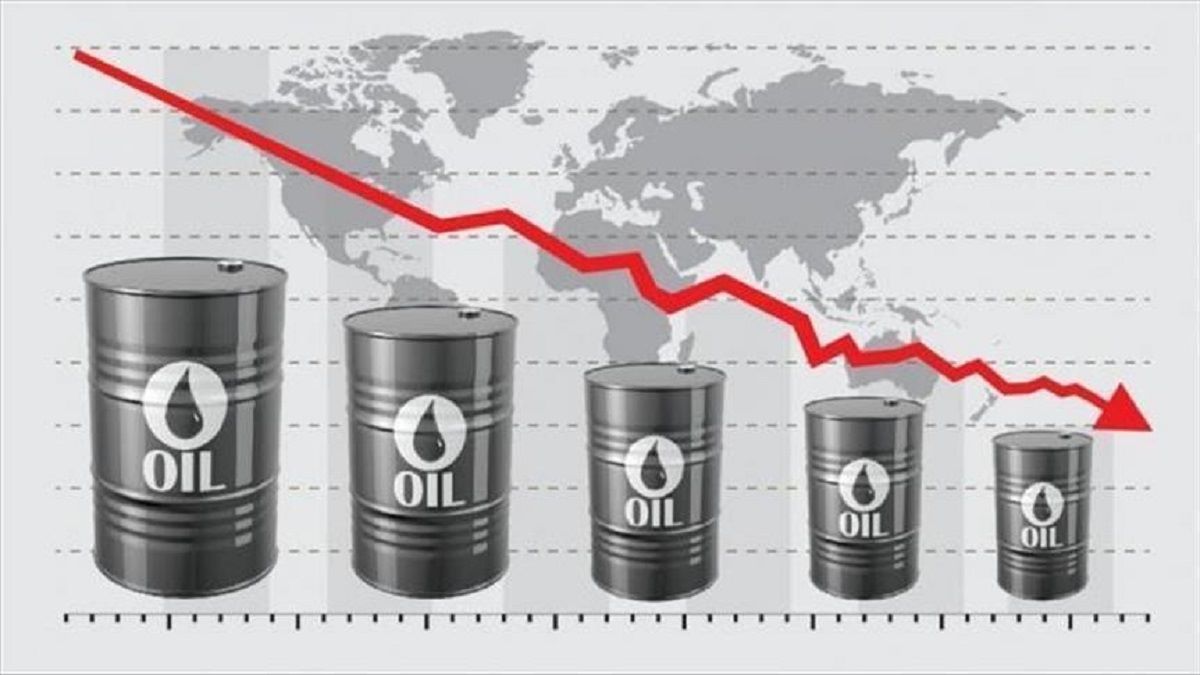
Crude Oil Trades Soft as Middle East Pressures Ease
Crude oil prices continue to trade softly as Middle East pressures eased ahead of the Organisation of Petroleum Exporting Countries and Allies’ meeting. The group has always taken conditions in the Middle East into consideration in its production output decisions.
Brent crashed to $71.92 per barrel while the US benchmark West Texas Intermediate decreased by to $68.26 per barrel on Thursday.
The market expects the crude oil market balance to ease further over the coming months as OPEC+ delays output hike plans. Oil prices fell on Thursday following the ceasefire agreement in the Middle East which eased supply concerns.
This happened amidst a stronger US dollar and fears that rising tariffs could disrupt the US Federal Reserve’s (Fed) efforts to combat iinflation,added further downward pressure.
The anticipation of a lasting cease-fire in the Middle East, which houses a significant portion of the world’s oil reserves, has contributed to recent price declines. US President-elect Donald Trump’s statement that he will increase tariffs lead to fears that it could disrupt Federal Reserve’s (Fed) fight against inflation.
The signals received from the data released on Wednesday strengthen the pricing that the Fed may complete the rate cuts later than anticipated, while it is predicted that the bank may take a break after continuing to cut interest rates in December.
A strong US dollar is expected to lower demand by making oil more expensive for those who use foreign currencies. The US dollar index, which measures the US dollar’s value against other currencies, increased 0.25% to 106.34.
Energy Information Administration (EIA) reported that crude oil inventory in the US dropped by 1.8 million barrels last week, a larger draw than market expectations of around 0.5 million barrels and mainly due to lower imports.
Crude oil imports fell by 1.6 million barrels per day last week to 6.1 million barrels per day as imports from Latin America softened. Exports strengthened by 0.3 million barrels per day to 4.7 million barrels per day, according to EIA data.
For refined products, gasoline inventory increased by 3.3 million barrels to 212.2 million barrels while distillate inventory increased by 0.4 million barrels to 114.8 million barrels on higher refinery output, ING says in a note.
Analysts noted that Refinery utilization increased 0.3% to 90.5% over the last week. Refinery utilization in the US over the past few weeks remains high when compared to seasonal averages.
Weekly data from the EIA shows that natural gas inventory dropped by just 2Bcf last week, compared to the preceding week’s 3Bcf draw and a 5-year average draw of around 30Bcf at this time of year. Natural gas demand has been slow to pick up even as the US experiences colder than usual weather.
.
