

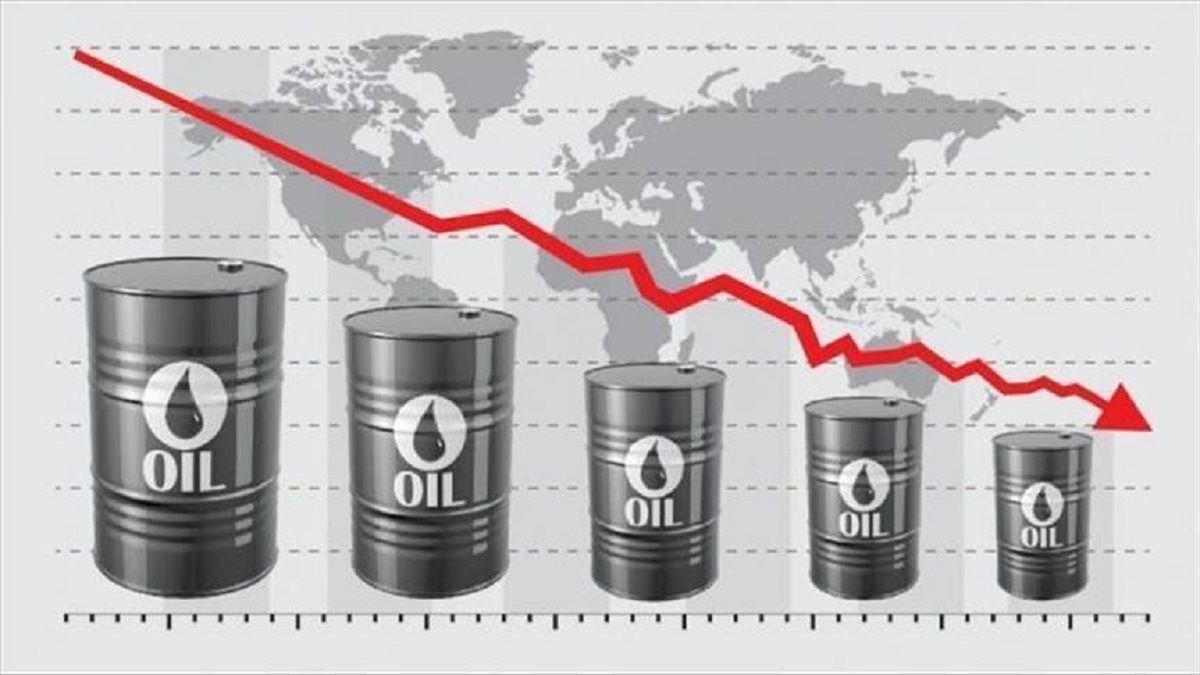
Crude Oil Prices Decline over Supply Glut Concerns
Crude oil prices declined in the global commodities market over supply glut concern, in line with the World Bank’s latest prediction. In the global market, crude oil prices dropped during early hours as International Energy Agency (IEA) reported a rise in global oil production
Brent fell to $71.33 per barrel on Friday, while the US benchmark West Texas Intermediate also decreased by 1.3% to $67.50 per barrel. In its Oil Market Report on Thursday, the IEA noted that OPEC’s crude oil production rose to 26.97 million barrels per day (bpd) in October, up by 210,000 bpd from the previous month.
The IEA also projected a potential rise in global oversupply this year, supporting the downward movement of prices. The IEA estimates global oil output growth to average 640,000 barrels per day in 2024, reaching a record high of 102.91 million bpd. Global growth for next year is forecast to reach around 2.05 million bpd to 104.96 million bpd.
In addition, the data of the US Energy Information Administration (EIA) in its ‘November 2024 Short-Term Energy Outlook Report’ indicates that the average daily crude oil production in the world’s most oil-consuming country will increase also suppressed prices.
The EIA revised its forecast for crude oil prices by $2 per barrel through the end of next year due to the expectations of a higher global oil demand growth in 2025.
Crude oil production in the US is expected to average 13.23 million bpd in 2024, up from 12.93 million bpd last year. The figure is around 300,000 bpd less than the previous month’s forecast.
On Thursday, oil prices managed to eke out a relatively small gain despite a bearish outlook. A large US gasoline draw would have likely provided some support to the market, ING said in a note. However, Brent is still on course to settle lower on the week.
The EIA weekly US inventory report showed that US commercial crude oil inventories increased by 2.09 million barrels over the last week, quite different to the 777,000 barrel draw the API reported the previous day.
However, the market was more focused on the 4.41 million barrel decline in gasoline inventories, leaving stocks at just below 207 million barrels – the lowest level for this time of year since 2014, according to ING note.
Analysts said the large draw was driven by a 555,000 b/d increase over the week in gasoline implied demand. Distillate stocks also declined over the week, falling by 1.39m barrels.
ING said the IEA painted a bearish outlook in its latest monthly oil market report. The agency expects that the global oil market will see a sizeable surplus of more than 1 million b/d even if OPEC+ decides not to unwind its 2.2 million b/d of additional voluntary cuts as currently planned.
The IEA expects non-OPEC+ producers to increase supply by around 1.5 million b/d in 2025, offsetting the almost 1m b/d of demand growth expected.
“Our balance currently shows that the market will see a small surplus over 2025 if OPEC+ cuts are extended”. However, much will also depend on compliance, given a handful of members have continuously produced above their target levels.
