

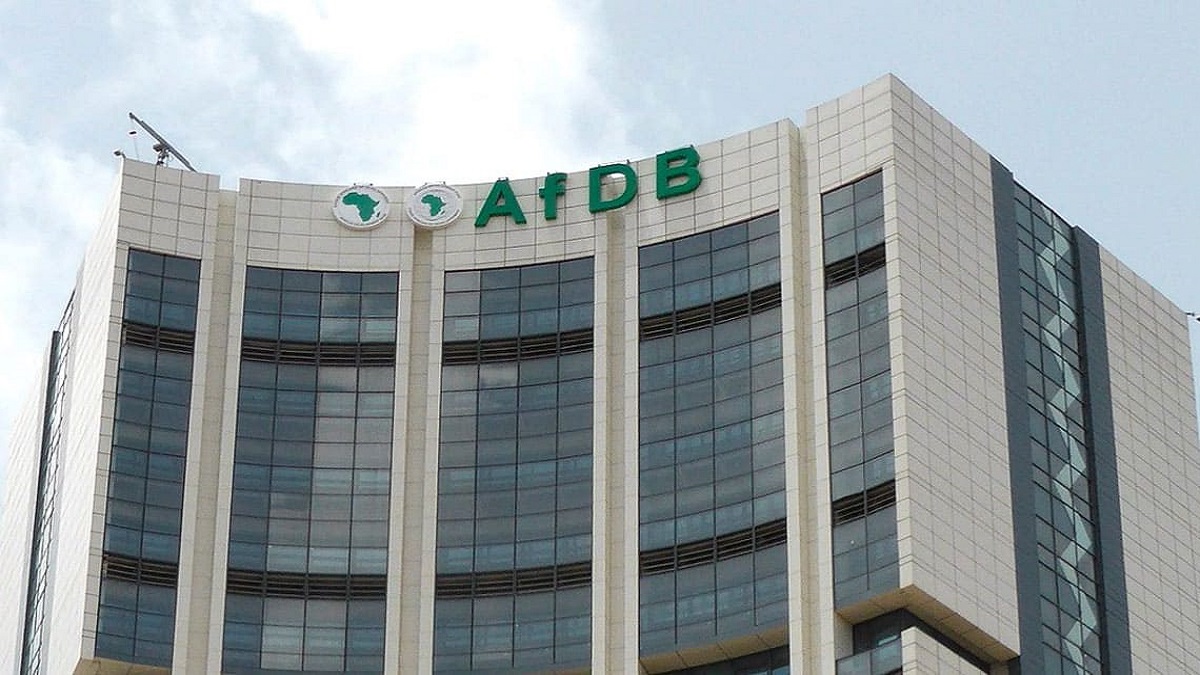
AfDB Unveils 10-Year Strategy to Confront Africa’s Challenges
The African Development Bank Group (AfDB) has unveiled its new Ten-Year Strategy 2024–2033, a blueprint to confront Africa’s pressing challenges and to help put the continent firmly back on track towards sustained economic growth and prosperity.
Unveiling the strategy during the Bank Group’s Annual Meetings in Nairobi, Kenya, African Development Bank Group President Akinwumi Adesina said, “As Africa’s premier development finance institution, and Africa’s solutions bank, we are acutely aware that the next decade will be decisive in transforming the continent.
“Therefore, as we celebrate 60 years of making a difference in the countries and lives of the people of Africa, we remain resolute in our determination to accelerate the support we provide to African countries.”
The aftermath of the Covid-19 pandemic has resulted in heightened food insecurity and a burgeoning debt crisis across Africa. At the same time, the impacts of climate change are intensifying and accelerating, alongside a surge in conflict and political instability. Compounded by a youthful demographic outpacing job creation, Africa is witnessing a significant exodus of its future workforce seeking opportunities abroad.
The strategy, approved by the Board earlier this year, sets out decisive and urgent actions the Bank will take to support African countries navigate the unprecedented global and regional challenges.
These actions will build on Africa’s multiple unique assets and reignite momentum towards achieving the African Union’s Agenda 2063 and the United Nation’s Sustainable Development Goals, ultimately fostering lasting growth.
Central to the 2024–2033 strategic vision is the belief in Africa’s vast potential for societal and economic transformation. By leveraging the youngest and fastest growing workforce in the world, rapidly growing urban markets, the wealth of natural resources and vast clean energy potential, Africa stands poised to drive sustainable growth and make significant contributions to global solutions over the next decade.
“The Ten-Year Strategy outlines how the Bank will invest in Africa’s best asset: its vibrant young men and women. Africa’s population, which is the fast growing in the world, presents the continent with an unparalleled demographic window of opportunity,” Adesina said.
The new strategy articulates a vision of a prosperous, inclusive, resilient, and integrated Africa, underpinned by two key objectives over the next decade: accelerating inclusive green growth and fostering prosperous and resilient economies. With an emphasis on sustainability, the Bank will strive to balance environmental concerns, equity, and economic advancement.
Building upon the past decade of successful High 5 implementation, the Bank aims to accelerate and scale up its efforts, focusing on transformative projects with far-reaching impacts. To optimise results while managing risks, the Bank will streamline its operational model for increased agility and effectiveness. The Bank’s High 5 operational priorities listed below, are integral to achieving these objectives:
Light up and power Africa: Promote universal access to modern and affordable energy.
Feed Africa: Ensure food security through agricultural transformation.
Industrialise Africa: Catalyse manufacturing as a critical driver of job creation.
Integrate Africa: Foster regional integration and value chains for a more cohesive economy.
Improve the quality of life: Enhance living standards, particularly for women and youth.
Key cross-cutting priorities include promoting gender equality, investing in young people, responding to climate change, and investing in climate action, supporting fragile states, and promoting good governance and economic stability.
The Bank sees the pivotal role of the private sector in driving Africa’s transformation. Over the next decade, it will strengthen collaboration with the private sector, prioritising investments in firms, value chains, and micro, small, and medium-sized enterprises especially those led by women and youth.
The magnitude and urgency of the challenge will require greater resources than before. The Bank pledges to mobilise resources from diverse sources, including domestic revenues and private finance. It aims to triple private-sector finance by 2033 while bolstering its financing capacity through innovative mechanisms.
In response to calls for Multilateral Development Banks (MDBs) to maximise the potential of their balance sheets, the Bank will pursue various options to boost its financing capacity over the life of the Ten-Year Strategy.
Measures include the Sustainable Hybrid Capital, Risk Transfers and re-channeling of significant portions of the International Monetary Fund’s Special Drawing Rights through Multilateral Development Banks.
The Strategy outlines how the Bank will answer the call for MDBs to scale up urgently their efforts to respond to the priorities and significant ambitions of African countries and tackle global and regional challenges affecting the people of Africa.
MDBs are essential to addressing the immense global and regional challenges the world faces. They are a valuable source of low-cost finance, technical knowledge, and policy advice for emerging and developing countries.
Highlights of the Strategy:
Investing in women and young people: The Ten-Year Strategy outlines how the Bank will invest in Africa’s best asset: its vibrant young men and women. Africa’s population, which is the youngest and fastest growing in the world, presents the continent with an unparalleled demographic window of opportunity. The Bank will address disparities and promote inclusivity by empowering women and youth, enabling them to contribute meaningfully to sustainable economic growth and prosperous societies.
Climate change adaptation: Recognising Africa’s vulnerability to climate change, the Bank will promote low-carbon development pathways aligned with the Paris Agreement while safeguarding biodiversity and nature.
Supporting fragile states and building resilience: Amid rising conflicts, fragility, and political instability in Africa, the Bank will intensify efforts to assist fragile countries. Special attention will be given to tackling cross-border challenges and reducing the isolation of landlocked and remote areas.
Promoting good governance: The Bank emphasises the importance of economic governance, including domestic resource mobilisation, transparent financial management, and anti-corruption measures. Sustainable debt management practices will also be prioritised to ensure long-term economic stability. #AfDB Unveils 10-Year Strategy to Confront Africa’s Challenges
Digital Transformation: Top Three Priorities for Banks – Report
