

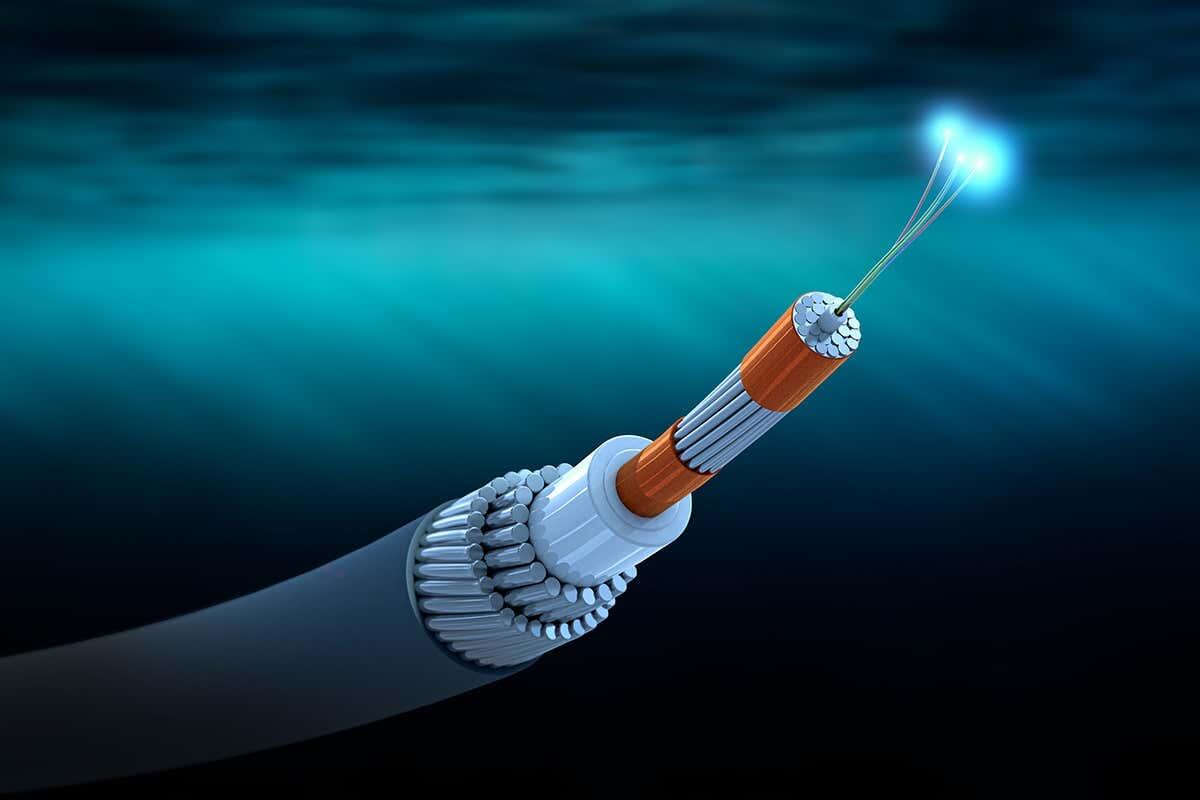
Telecom Consortium, Facebook to Extend Subsea Cable to Africa Countries
2Africa consortium comprises global telecoms companies and Facebook have revealed a plan to extend the subsea cable to more Africa countries, according to a statement on Monday.
The consortium of the project comprises South Africa’s MTN GlobalConnect, Facebook, Mauritius-based infrastructure provider WIOCC, China Mobile International, France’s Orange SA, Saudi Arabia’s STC, Telecom Egypt and Vodafone.
Internet connectivity will be expanded to Seychelles, the Comoros Islands, Angola and bring a new landing point to south-east Nigeria. This is in addition to the recently announced extension to the Canary Islands, the companies said.
2Africa, which will be the largest subsea cable project in the world, will deliver faster, more reliable internet service to each country where it lands.
The consortium said in a statement that communities that rely on the internet for services from education to healthcare, and businesses will experience the economic and social benefits that come from this increased connectivity.
Alcatel Submarine Networks (ASN) has been selected to deploy the new “branches”, which will increase the number of 2Africa landings to 35 in 26 countries, further improving connectivity into and around Africa, they added.
“Most of the subsea route survey activity is now complete. ASN has started manufacturing the cable and building repeater units in its factories in Calais and Greenwich to deploy the first segments in 2022,” the companies said.
The consortium launched the cable, which is expected to go live in late 2023, in May 2020 to connect those countries in Africa, the Middle East and Europe.
Read Also: AgDevCo partners Root Capital to invest $5m in macadamia sector
Since launching the 2Africa cable in May 2020, the 2Africa consortium has made considerable progress in planning and preparing for the deployment of the cable, which is expected to go live in late 2023.
“Most of the subsea route survey activity is now complete. ASN has started manufacturing the cable and building repeater units in its factories in Calais and Greenwich to deploy the first segments in 2022”, it said.
Subsea cables form the backbone of the internet, carrying 99% of the world’s data traffic. Africa’s big economies have a large and fast-growing population of internet users, with growth in internet use fuelled by rapidly expanding mobile broadband networks and more affordable phones.
However, with a population of just above 1.3 billion, Africa is still a laggard in internet connectivity, with average mobile internet users at around 26% against a world average of 51%.
One of 2Africa’s key segments, the Egypt terrestrial crossing that interconnects landing sites on the Red and the Mediterranean Seas via two completely diverse terrestrial routes, has been completed ahead of schedule.
A third diverse marine path will complement this segment via the Red Sea.
