

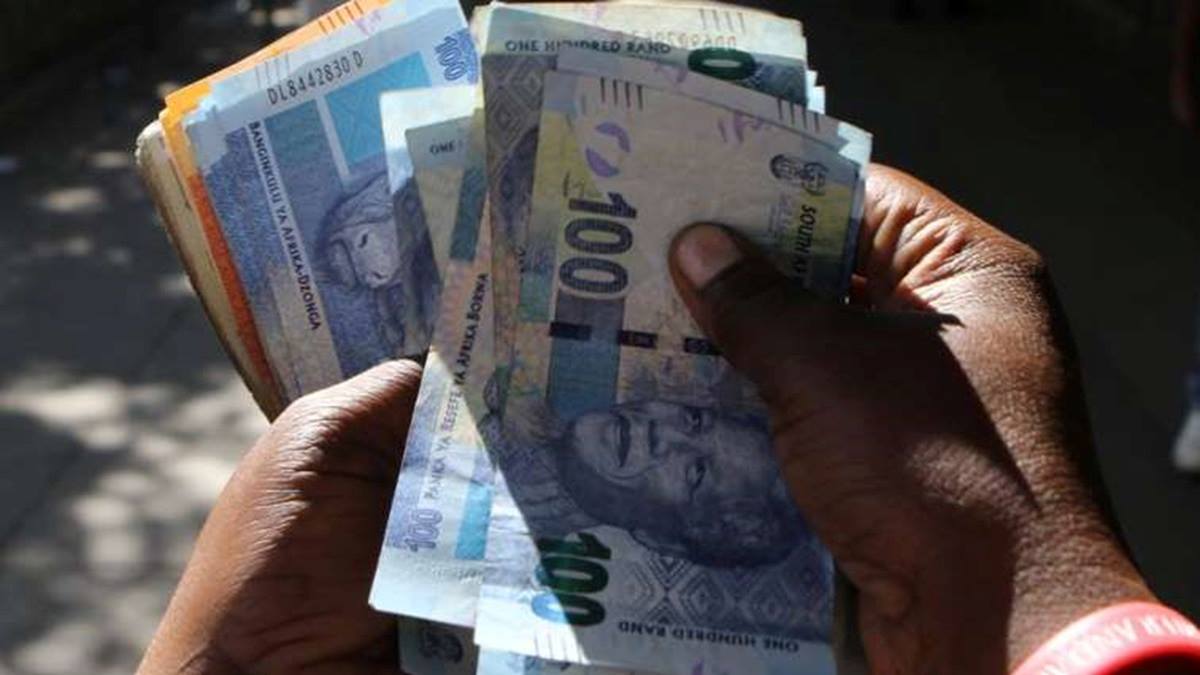
South African Rand Firmer as Fed Hold Decision Weakens US Dollar
South African rand firmer after US Federal Reserve decision to keep rates weakened the dollar amidst a slowdown in oil price movements in the global commodity market.
The rand traded at approximately R16.66 per US dollar, R19.08 ot the euro and R22.24 for the British pound, First National Bank (FNB) said in a brief on Thursday.
The local unit rallied as the US dollar weakened following the Federal Reserve’s decision to keep interest rates unchanged. Markets had been concerned about a more hawkish outcome, but the absence of a rate hike supported risk appetite and emerging-market currencies.
Traded below $89 per barrel, oil prices remain elevated as the conflict between the US and Iran intensifies, raising concerns about potential disruptions to Middle East oil supplies and shipping routes. Additional support has come from falling US crude inventories, reinforcing expectations of tighter supply conditions.
At $4,052 per ounce, Gold prices are higher this morning, supported by a weaker US dollar and increased safe-haven demand amid escalating tensions between the US and Iran. The market anticipates that concerns over further conflict in the Middle East will continue to drive demand for defensive assets.
US Federal Reserve left its benchmark interest rate unchanged at 3.50% to 3.75%, extending the current pause in rates as policymakers continue to balance moderating inflation against a resilient economy.
While headline inflation cooled to 3.5% in June from 4.2% in May, price pressures remain above the Fed’s 2% target, with higher energy costs, tariff-related inflation and lingering supply-side pressures continuing to cloud the outlook.
At the same time, solid GDP growth, ongoing artificial intelligence (AI)-related investment and a stable labour market have given policymakers scope to remain patient rather than rush into either easing or further tightening.
Beneath the headline decision, however, the meeting revealed a more hawkish tone than markets had anticipated. The decision was not unanimous, passing by a 9-3 vote with three regional Fed presidents voting for an immediate 25-basis point (bp) rate hike, arguing that inflation risks remain
elevated. The unusually large dissent highlights growing concern within the committee that inflation could become more deeply embedded if policymakers relax their stance too soon. Chairperson, Kevin Warsh, characterised the debate as a healthy exchange of views but reiterated that restoring price stability remains the Fed’s overarching priority.
The key takeaway was that rate cuts remain a distant prospect. The combination of a divided committee, persistent inflation concerns and Warsh’s emphasis on a meeting-by-meeting approach prompted investors to reduce expectations of near-term policy easing.
Treasury yields moved higher following the announcement, reflecting the increased likelihood that interest rates may remain “higher for longer” than previously expected.
Also, with several officials actively advocating for higher rates and energy markets remaining volatile, any renewed acceleration in inflation could quickly reopen the door to additional tightening during the second half of the year. Oil Prices Rise in Reaction to Saudi, U.S. Strikes Against Iran
