

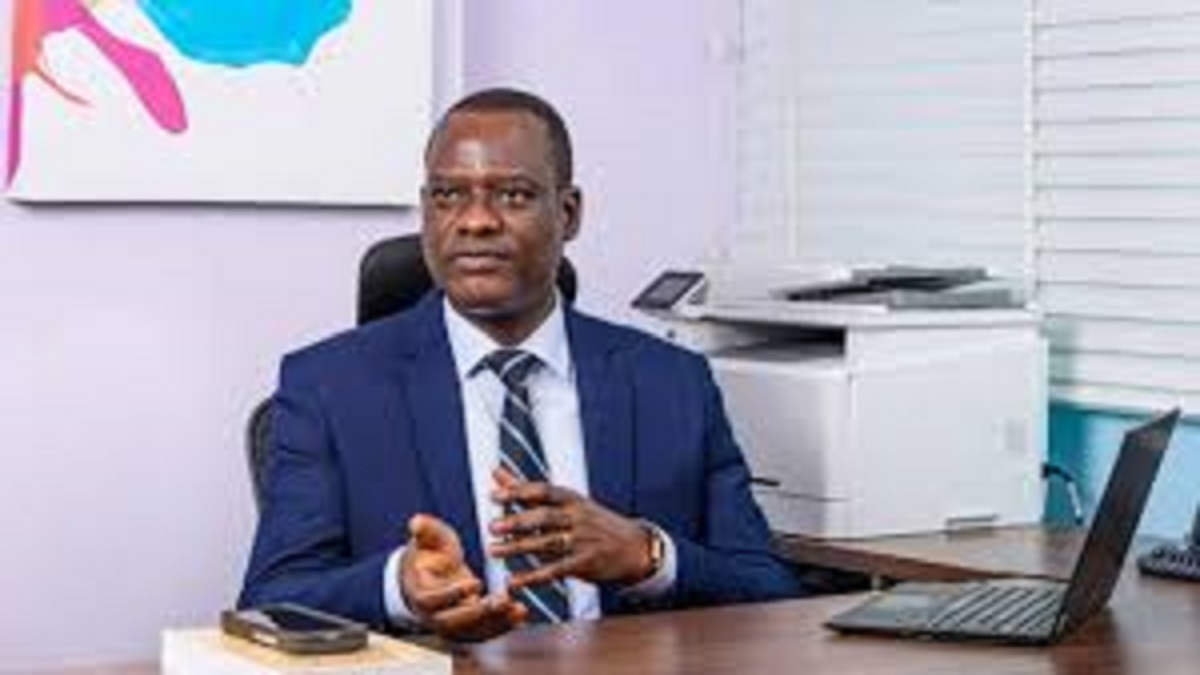
FG Targets Transparent Tax System Through Digital Reforms
The Federal Government has reaffirmed its commitment to achieving a transparent, fair and technology-driven tax system, especially with digital reforms to improve tax administration and rebuild public confidence.
The Minister of Finance and Coordinating Minister of the Economy, Mr Taiwo Oyedele, stated this on Thursday at a hybrid stakeholders’ engagement convened in Lagos by the Office of the Tax Ombud.
The engagement has its theme as “Promoting Fairness, Transparency and Trust in Tax Administration in Nigeria”, bringing together government officials, professional bodies and private sector stakeholders to discuss measures for improving the nation’s tax system.
Oyedele, represented by Mr Olufemi Olarinde, Special Adviser on Tax Policy to the Executive Chairman of the Federal Inland Revenue Service (FIRS), said the government’s ongoing tax reforms were designed to create a system where taxpayers pay only what they legitimately owe.
He said the reforms would reduce opacity, minimise human discretion and establish a predictable, accountable and efficient tax administration framework.
“If we get fairness, digitisation and harmonisation right, we will earn the trust of our citizens, and trust is the true currency of any tax system,” Oyedele said.
The minister said digitising tax processes would improve transparency, reduce corruption and inefficiency, while harmonising revenue collection across government would address multiple taxation and lower compliance costs for taxpayers.
He described the Office of the Tax Ombud as a major step toward strengthening accountability, adding that taxpayers deserved quality service and an independent platform to protect their rights and resolve disputes fairly.
Oyedele reaffirmed President Bola Tinubu’s commitment to an efficient and accountable tax regime, urging stakeholders to support reforms through continuous consultation and collaboration.
The Chief Executive and Tax Ombud of Nigeria, Dr John Nwabueze, said the engagement was aimed at strengthening partnerships with professional bodies to improve confidence in the tax system and encourage voluntary compliance.
Nwabueze said effective tax administration depended on public trust, noting that citizens were more willing to comply when they considered the system fair, transparent, impartial and predictable.
He said the Office of the Tax Ombud, established under the Joint Revenue Board (Establishment) Act, 2025, complements tax authorities by protecting taxpayers’ rights and independently addressing complaints.
He added that the office had introduced digital platforms, including a website and Case Management System, alongside taxpayer education programmes, to improve access to redress and enhance service delivery.
During a panel session, President of the Nigerian Bar Association (NBA), Afam Osigwe (SAN), said a fair tax system must be transparent, simple and free from harassment and corruption.
Osigwe urged the government to ensure taxpayers could see the impact of their contributions through improved infrastructure and public services, saying visible outcomes would encourage compliance.
He also called for stronger legal backing for the Tax Ombud, noting that its decisions were largely advisory under the existing framework.
Responding, Nwabueze said steps were being taken through the National Assembly to strengthen the office’s powers and improve compliance with its recommendations.
Representing the Nigeria Employers’ Consultative Association (NECA), Dr Olumuyiwa Adebayo, urged government to expand the tax base rather than increase pressure on existing taxpayers.
Adebayo said multiple tax audits, investigations and overlapping compliance requirements increased the cost of doing business and discouraged investment.
Vice President of the Institute of Chartered Accountants of Nigeria (ICAN), Dr Etofolam Osuji, said transparency and trust remained essential for effective tax administration and voluntary compliance.
Deputy Vice President of the Chartered Institute of Taxation of Nigeria (CITN), Dr Titilayo Fawokan, urged stronger protection of taxpayer rights, independent complaint channels and wider public education.
The Executive Secretary of the Joint Revenue Board and moderator of the panel, Mr Olusegun Adesokan, said digital platforms deployed by the Tax Ombud had made it easier for taxpayers to submit complaints and seek redress.
Stakeholders agreed that digital innovation, stronger institutions and improved taxpayer education were critical to reducing disputes and strengthening compliance.
Earlier, the Special Adviser to the Lagos State Governor on Taxation and Revenue, Mr Abdul Kabir Ogungbo, endorsed the establishment of the Tax Ombud as a major step towards improving transparency and taxpayer confidence.
Ogungbo said the office would provide an independent platform for resolving disputes involving tax assessments, payments and related matters.
He said concerns over multiple taxation were largely driven by public perception arising from different agencies carrying out statutory responsibilities.
According to him, Lagos introduced the Lagos Revenue Portal in 2024 to centralise billing, payments, reconciliation and refunds through a single digital platform.
He added that the state planned to integrate collections by local governments and ministries, departments and agencies into the platform to simplify compliance further.
Stakeholders commended the Federal Government’s tax reform agenda and called for sustained engagement to promote transparency, accountability and trust in Nigeria’s tax administration.
They expressed confidence that digital reforms and stronger taxpayer protection mechanisms would encourage voluntary compliance and improve confidence in the country’s tax system. #FG Targets Transparent Tax System Through Digital Reforms# NRS, DigiTax Say e-invoicing to Curb Tax Leakages, Boost Transparency
