

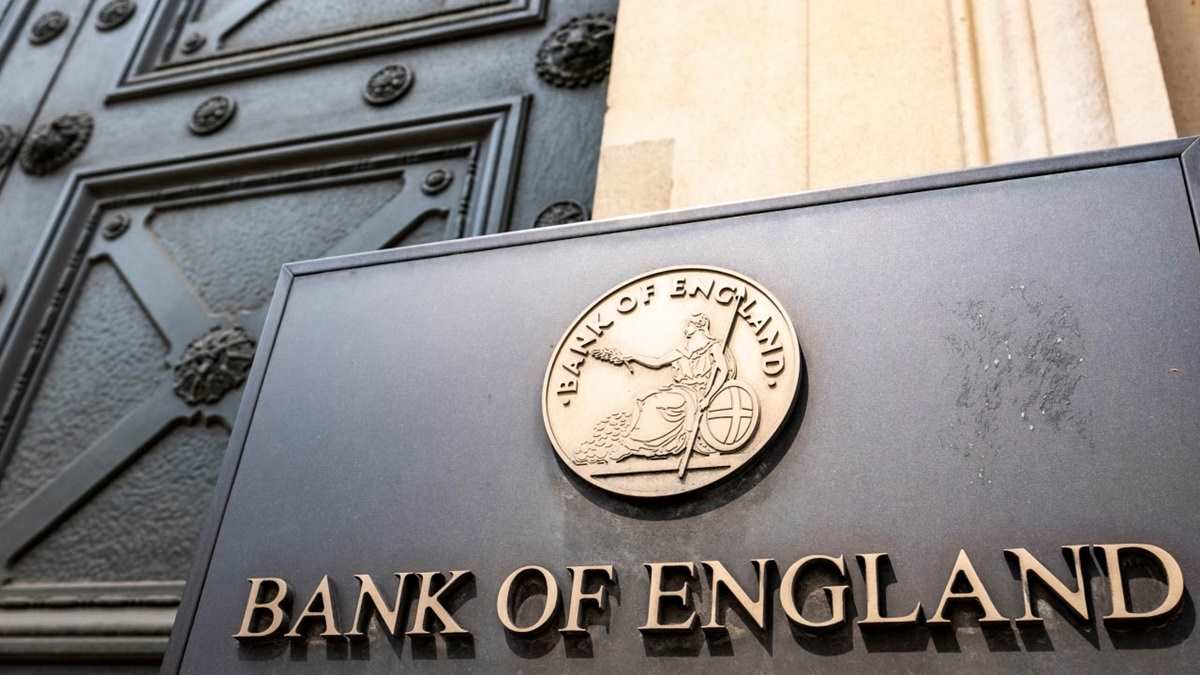
Bank of England Launches Stablecoin Rules for UK Users
The Bank of England (BoE) has today published its policy statement and draft Code of Practice (rules) for systemic stablecoin issuers, marking a key milestone in establishing the UK’s stablecoin regime.
Details showed that the UK Central Bank softened its stablecoin rules after warnings from currency providers that the UK risked falling behind rival jurisdictions in a rapidly growing pocket of the global financial system.
In an official statement, the BoE said the framework supports safe innovation, enabling UK-issued stablecoins to develop as trusted forms of digital money following feedback from last year’s consultation.
BoE acknowledged that alongside other innovations in money and payments, stablecoins could enable faster, cheaper and more flexible services for users, including cross-border use cases, while supporting new programmable functionality.
It said the latest released guide provides coin issuers with clarity to innovate and scale within a framework that maintains resilience, confidence and trust in money.
The Bank and the Financial Conduct Authority (FCA) said they are working closely to deliver an end-to-end regime, including a managed transition as firms grow from non-systemic to systemic.
In the update, the central bank reversed earlier plans to cap individual holdings at £20,000 and corporate holdings at £10 million for sterling denominated systemic stablecoins.
Instead, each qualifying stablecoin will face a temporary aggregate issuance guardrail of £40 billion. Reserve requirements were also eased: issuers must now hold 30% of reserves as non-interest-bearing central bank deposits, down from 40%, and can invest up to 70% in short-term UK government debt.
Officials say the changes respond to industry feedback that the original design was too restrictive and aim to balance innovation in payments with financial stability.
The Bank said it intends to finalise the Code of Practice by the end of 2026. Further supporting materials will follow alongside continued joint work with the FCA, the BoE said. This will allow regulated stablecoins to operate in the UK from 2027.
Commenting, Sarah Breeden, Deputy Governor for Financial Stability, said: “This is a major milestone in delivering greater choice and innovation in UK payments. Innovation thrives on trust.
“And today we’ve set out the foundations of that trust for a new form of money – with prompt redemption, strong protections and central bank support. This is truly a world-leading regime.”
IMF Highlights Rise of Stablecoin Use in Nigeria, Warns of Policy Risks
