

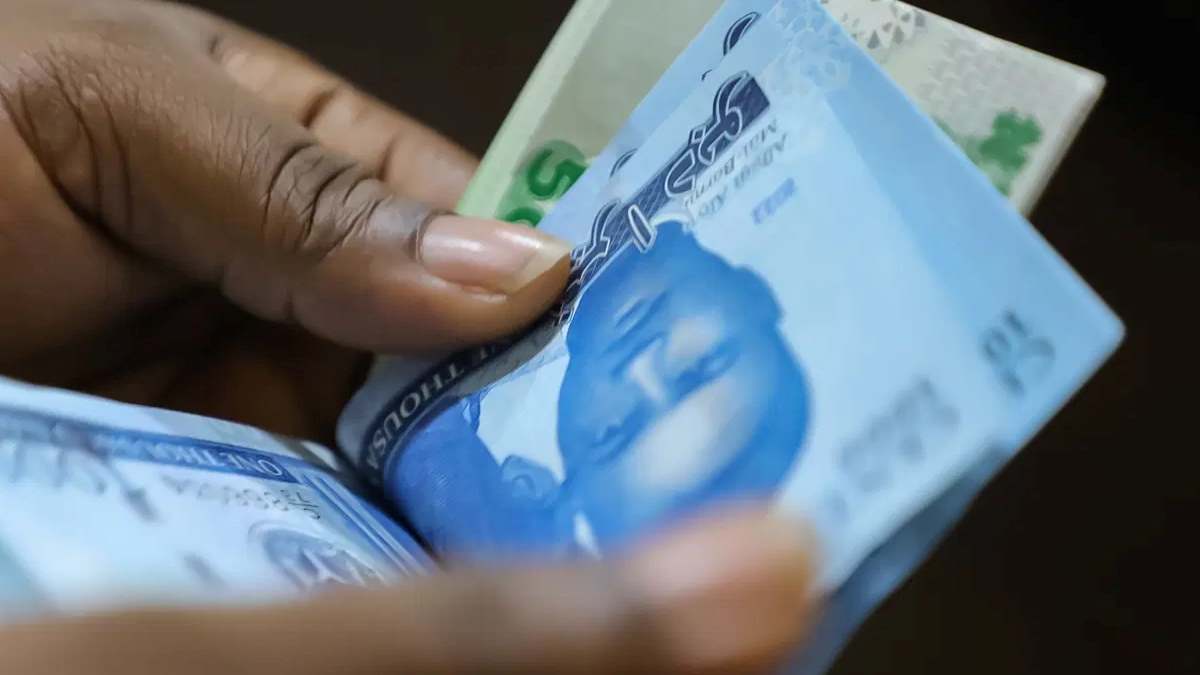
Naira Slides Against Dollar, Interbank Turnover Tops $1.2bn
The Naira slid against the US dollar at the Nigeria Foreign Exchange Market (NFEM) on Tuesday amidst a significant spike in interbank turnover, which topped $1.2 billion.
The total volume of currency traded directly between primary market makers surged by 28% amidst a surge in FX payments from corporates and other eligible players.
According to FX data released by the Central Bank of Nigeria (CBN) on Tuesday, the spot FX rate closed at N1357.1808 per dollar, a slight depreciation from N1356.2704 the previous day.
This suggests that international payments executed at the official window eclipsed the supply despite a significant rise in interbank FX liquidity.
Broad Street FX traders told MarketForces Africa that transactions were executed between N1355.5000 and N1359 during the trading session, a slight depreciation from the previous day’s close.
Today, interbank FX turnover increased sharply to $1.256 billion, up by 28% in 24 hours from $985.562 million recorded at the NFEM window on Monday.
Nigeria’s gross external reserves increased to $50.813 billion, its highest since January 2009 due to sustained FX inflows from across multiple sources.
The significant FX boost was driven by hydrocarbon sales, elevated oil prices, and Nigeria’s increased production volume. Today, oil prices sank again, pulling back to US$80 per barrel for the first time since early March.
The price of a barrel of the global benchmark Brent crude fell 3.6 per cent as optimism continues following the tentative deal reached between the United States and Iran, which will hopefully reopen the Strait of Hormuz at the end of the week and resume the global flow of oil.
After trading at US$80.20, the price dipped below US$80 at noon. West Texas Intermediate was trading below US$76 per barrel, while Western Canadian Select was trading below US$60 per barrel.
The price of WTI, which was trading at US$67 before the war, spiked to over US$120 during the conflict. Significant hurdles remain in the negotiations to end the war, including what to do with Iran’s nuclear program.
The tentative deal to end the war in the Middle East comes as the U.S. Federal Reserve begins its meeting on Tuesday to decide on interest rates — with an announcement scheduled for Wednesday.
It will be the first meeting under the Fed’s new chair, Kevin Warsh, who was nominated by President Donald Trump.
Trump has been pushing for lower interest rates, which would boost the economy but also risk worsening inflation. The widespread expectation, though, is that the Fed will leave its main interest rate alone again. Naira Appreciates to N1,356 as Foreign Reserves Reach 2009 High
