
Close Menu
MarketForces AfricaMarketForces Africa
    What's Hot

    NCC Charges Nigerian Students to Protect Telecommunications Infrastructure

    July 6, 2026

    Tax ID Linkage for Shareholders: A New Era of Tax Transparency or Another Layer of Compliance?

    July 6, 2026

    Investors Pocket N3.17trn as Nigerian Stocks Stage Strong Rally

    July 6, 2026
    Facebook X (Twitter) Instagram
    Trending
    • NCC Charges Nigerian Students to Protect Telecommunications Infrastructure
    • Tax ID Linkage for Shareholders: A New Era of Tax Transparency or Another Layer of Compliance?
    • Investors Pocket N3.17trn as Nigerian Stocks Stage Strong Rally
    • Bitcoin Price Rises to $63.8k, Strategy Inc. Sells 3,588 BTC
    • Moody’s Upgrades Dangote Sugar’s CFR to B3 from Caa1
    • Ripple Secures Full MiCA License to Offer Crypto Payments Across EU
    • Senate Approves N11.074trn Revenue Target for Customs
    • XRP Price Jumps as Ripple Secures Full EU MiCA License
    • Home
    • About Us
    Facebook X (Twitter) Instagram LinkedIn WhatsApp TikTok Telegram
    MarketForces AfricaMarketForces Africa
    Subscribe
    Monday, July 6
    • Home
    • News
    • Analysis
    • Economy
    • Mobile Banking
    • Entrepreneurship
    MarketForces AfricaMarketForces Africa
    MarketForces Africa » Foreign » Death Toll Rises in Lebanon as Israeli Strikes Shatter Ceasefire Agreement

    Death Toll Rises in Lebanon as Israeli Strikes Shatter Ceasefire Agreement

    Ogochukwu NdubuisiBy Ogochukwu NdubuisiMay 3, 2026Updated:May 3, 2026 Foreign No Comments4 Mins Read
    Death Toll Rises in Lebanon as Israeli Strikes Shatter Ceasefire Agreement
    Share
    Facebook Twitter LinkedIn Pinterest Email Tumblr Reddit Telegram WhatsApp Copy Link

    Death Toll Rises in Lebanon as Israeli Strikes Shatter Ceasefire Agreement

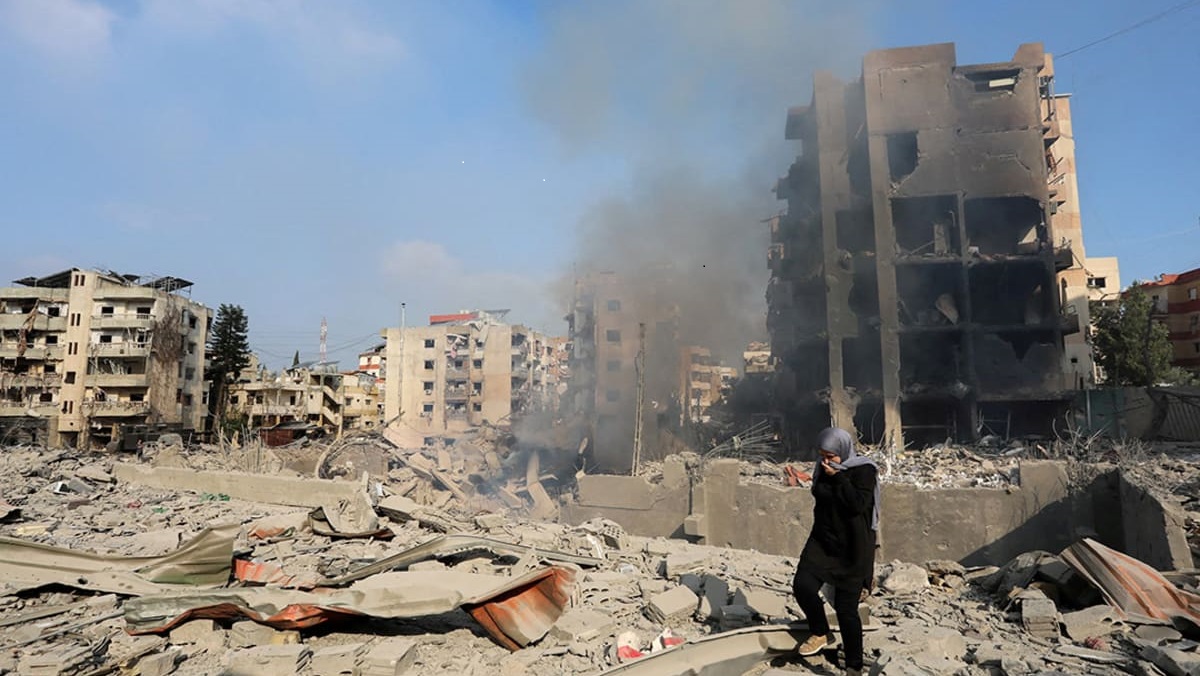
    Israeli warplanes and drones have continued to pound towns and villages across southern Lebanon in what international observers, world leaders, and even China’s envoy to the United Nations are now openly describing as a collapsed truce.

    Civilians are dying. Communities are being emptied. And a peace agreement brokered just weeks ago in Washington is being torn apart, strike by strike.

    The latest figures paint a devastating picture. Lebanese health authorities confirmed that Israeli attacks over a single 24-hour period pushed the daily death toll to 41 people, bringing the overall number of lives lost in the conflict since it reignited on March 2 to more than 2,650, with over 8,000 others wounded. The victims include men, women, and children pulled from homes, cars, and village streets.

    Among the most recent attacks, strikes hit the towns of Shoukine, Kfar Dajjal, Lwaizeh, and Nabatieh, with warplanes also targeting the city of Tyre and surrounding areas. Israel’s military said its aircraft carried out approximately 50 airstrikes in a single day, all of which it claims were directed at Hezbollah fighters and infrastructure.

    However, the casualty figures tell a different story; many of those killed were ordinary civilians with no connection to any armed group.

    The ceasefire at the centre of this crisis was brokered in Washington and came into effect on April 17. It was initially set for ten days and then extended by three weeks, pushing its expiry to mid-May. Pakistani Prime Minister Shehbaz Sharif, who played a key role in mediating the broader Iran-U.S. truce, had specifically stated that the agreement also covered Lebanon.

    Yet within hours of the ceasefire being announced, Israel launched what witnesses and officials described as the largest single wave of strikes of the entire war, killing more than 350 people in one night.

    Israeli Prime Minister Benjamin Netanyahu has made no effort to hide his position. He stated plainly at a news conference that Israel would carry on striking Lebanon because, in his view, the ceasefire between the United States and Iran does not bind Israel in its fight against Hezbollah.

    Defence Minister Israel Katz echoed that stance, saying Israel was determined to reshape the situation in Lebanon independently of whatever deal was struck between Washington and Tehran.

    The rest of the world is watching with alarm. Spain’s Foreign Minister accused Israel of trampling on international law and the ceasefire agreement, telling lawmakers that hundreds of bombs had been dropped on Lebanon in open defiance of the truce.

    Italy’s foreign minister summoned the Israeli ambassador and condemned what he called unjustifiable attacks on Lebanese civilians. Australia’s Prime Minister said firmly that the ceasefire had to apply to Lebanon as well, describing the situation as fragile and deeply worrying.

    China’s UN envoy, speaking from New York as China assumed the rotating presidency of the Security Council, said bluntly that there was no real ceasefire — only what he called a lesser fire.

    Iran is watching too, and it is furious. The Iranian Revolutionary Guard Corps issued a stark warning, saying it would respond if Israeli attacks on Lebanon did not stop immediately. Iran’s parliament speaker declared that continued violations had made the ceasefire and ongoing negotiations with the United States completely unreasonable, adding that Washington had once again broken its commitments before talks had even properly begun.

    On the Lebanese side, a Hezbollah lawmaker warned that the Israeli strikes represented a grave violation of the agreement and that the entire deal could collapse as a result. Hezbollah itself has continued launching drones and rockets at Israeli positions inside Lebanese territory, including attacks on troops in Bint Jbeil and a drone strike that injured a dozen Israeli soldiers in northern Israel. Three Israeli soldiers have also been killed in recent days.

    Al Jazeera’s correspondent reporting from Beirut put it plainly — the ceasefire exists only as a diplomatic label. In the south, the war has not stopped. If anything, it is expanding.

    Over one million Lebanese people, roughly one in every five residents of the country, have now been forced to flee their homes since the fighting began.

    Hospitals are overwhelmed. Entire villages south of the Litani River stand empty. And with no serious enforcement mechanism in place and Israel showing no sign of halting its operations, the gap between the ceasefire that was declared and the reality being lived on the ground grows wider with every passing day. #Death Toll Rises in Lebanon as Israeli Strikes Shatter Ceasefire Agreement#

    Iran Says Washington Has Replied to Its Peace Plan, But Trump Calls It Unacceptable

    Israel Lebanon
    Share. Facebook Twitter Pinterest LinkedIn Tumblr Email
    Ogochukwu Ndubuisi
    • Website
    • Facebook
    • X (Twitter)
    • LinkedIn

    Ogochukwu Ndubuisi is an editorial content strategist and financial news writer at MarketForces Africa, covering a broad range of topics including Nigeria's equity markets, infrastructure development, energy, government policy, corporate finance, and digital economy.With over 2,400 published articles on MarketForces Africa, Ogochi brings depth and consistency to the publication's daily news coverage.Her reporting spans Nigerian Exchange Group market movements, Lagos State infrastructure projects, and federal government economic policies, oil and gas developments, and emerging sectors shaping Nigeria's economic landscape.She also covers Africa-wide stories, including East African market indices, continental investment trends, and cross-border economic developments.Ogochi works closely with MarketForces Africa's editorial and corporate communications teams to deliver accurate, timely, and well-researched content to the publication's professional readership.Ogochukwu Ndubuisi is based in Lagos, Nigeria.

    Keep Reading

    South Korea FX Reserves Surge to $427.4bn in June

    Canada’s Manufacturing Sector Expansion Extends to Third Month -PMI

    EU Cuts Steel Import Quotas to Protect Industry

    Rising US Inflation Brings Persistent Overshoot Into Focus

    Iranian Envoy Says Strait of Hormuz Fully Open Without Charges

    Bank of England Launches Stablecoin Rules for UK Users

    Add A Comment

    Comments are closed.

    Editors Picks

    NCC Charges Nigerian Students to Protect Telecommunications Infrastructure

    July 6, 2026

    Tax ID Linkage for Shareholders: A New Era of Tax Transparency or Another Layer of Compliance?

    July 6, 2026

    Investors Pocket N3.17trn as Nigerian Stocks Stage Strong Rally

    July 6, 2026

    Bitcoin Price Rises to $63.8k, Strategy Inc. Sells 3,588 BTC

    July 6, 2026

    Moody’s Upgrades Dangote Sugar’s CFR to B3 from Caa1

    July 6, 2026
    Latest Posts

    South Korea FX Reserves Surge to $427.4bn in June

    July 4, 2026

    Canada’s Manufacturing Sector Expansion Extends to Third Month -PMI

    July 2, 2026

    EU Cuts Steel Import Quotas to Protect Industry

    July 1, 2026

    Rising US Inflation Brings Persistent Overshoot Into Focus

    June 29, 2026

    Iranian Envoy Says Strait of Hormuz Fully Open Without Charges

    June 23, 2026

    Subscribe to News

    Get the latest sports news from Dmarketforces Africa about finance, business and tech.

    Advertisement
    Facebook X (Twitter) Pinterest Vimeo WhatsApp TikTok Instagram

    News

    • World
    • Politics
    • Economy
    • Business
    • Opinions
    • Fintech
    • Science & Technology

    Company

    • About us
    • Advertising
    • Classified Ads
    • Contact Info
    • Editorial Policy

    Services

    • Subscriptions
    • Research
    • Due Diligence
    • Newsletters
    • Sponsored News
    • Work With Us

    Subscribe to Updates

    Subscribe to updates from MarketForces Africa, an independent financial news service provider.

    © 2026 MarketForces Africa. All rights reserved.
    • Privacy Policy
    • Terms
    • Accessibility

    Type above and press Enter to search. Press Esc to cancel.