

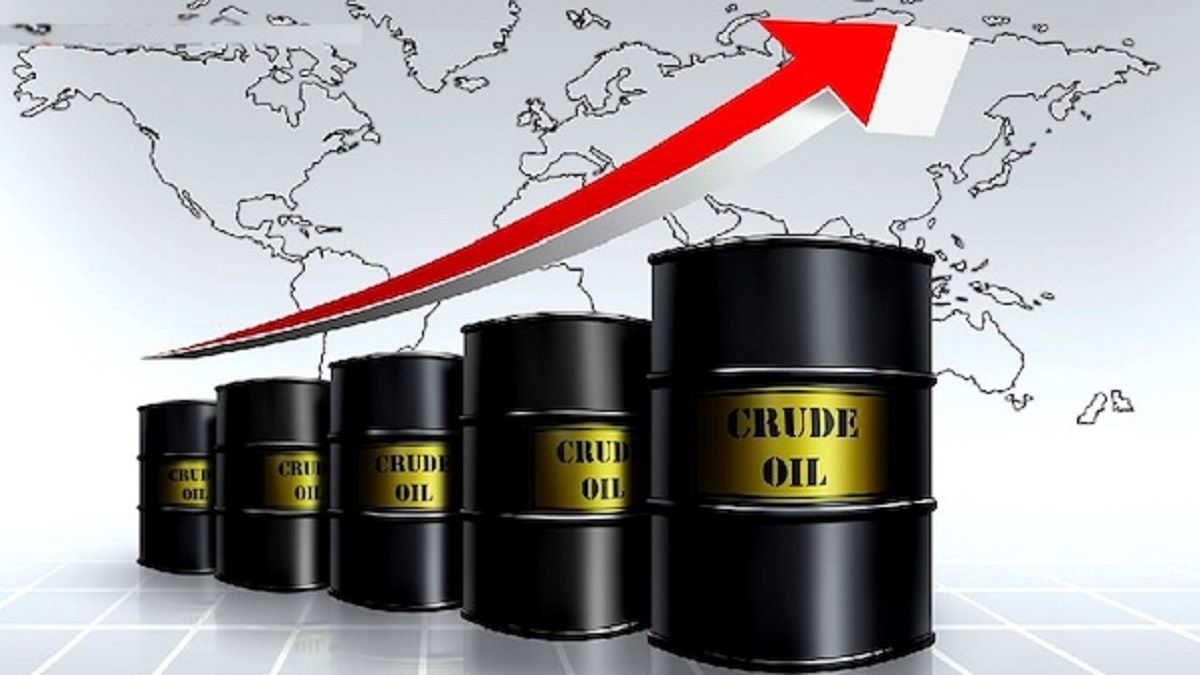
U.S Sanctions on Russian Production, Export Flows Raise Energy Cost
The global energy costs spiked as the U.S. latest sanctions target Russian oil production and export flows. On Friday, the US announced wide-sweeping sanctions against the Russian energy sector, which saw ICE Brent break well above US$80 per barrel.
The announcement of sanctions also led to significant strength in the gasoil crack, with it trading above US$21 per barrel at one stage yesterday and to its highest level since July, according to ING commodities strategists.
Energy prices spiked higher yesterday as the market digested the latest US sanctions against the Russian energy sector, which targets not only production but also export flows. The international benchmark Brent crude rose by 1.6%, reaching at $80.45 per barrel at 10.31 a.m. local time, up from $79.16 at the close of the previous session.
The US benchmark West Texas Intermediate (WTI) increased by 1.6%, rising to $76.98 per barrel, compared to its prior session close of $75.79. Analysts noted that a large portion of Russia’s shadow tanker fleet has been sanctioned, making it more difficult for Russia and buyers to circumvent the G-7 price cap.
“These sanctions have the potential to take as much as 700,000 barrels per day (b/d) of supply off the market, which would erase the surplus that we are expecting for this year”.
However, the actual reduction in flows will likely be less, as Russia and buyers find ways around these sanctions—clearly there will be more strain on non-sanctioned vessels within the shadow fleet, ING said.
Russia is a large exporter of gasoil, loading almost 820,000 b/d in December, and there will be concerns that these flows are also disrupted due to the latest sanctions. Trade data from China yesterday showed that crude oil imports in December averaged 11.31 million barrels per day, down 4.6% month-on-month and 1.1% lower year-on-year.
This leaves total crude oil imports over 2024 1.9% lower year on year, according to ING note. This is only the third time since 2010 that China has seen annual crude oil imports fall year on year. The other two times were in 2021 and 2022.
It is not only oil prices that surged higher yesterday. European natural gas settled more than 7.2% higher on the day at EUR48.26/MWh.
ING analysts said there were a number of catalysts behind the move, including that several Russian LNG projects were included in the US sanction package, colder weather across parts of Europe once again, and also an alleged attack on infrastructure related to the TurkStream pipeline. CBN Opens FX Window for BDC to Stock up at NFEM Rate
