

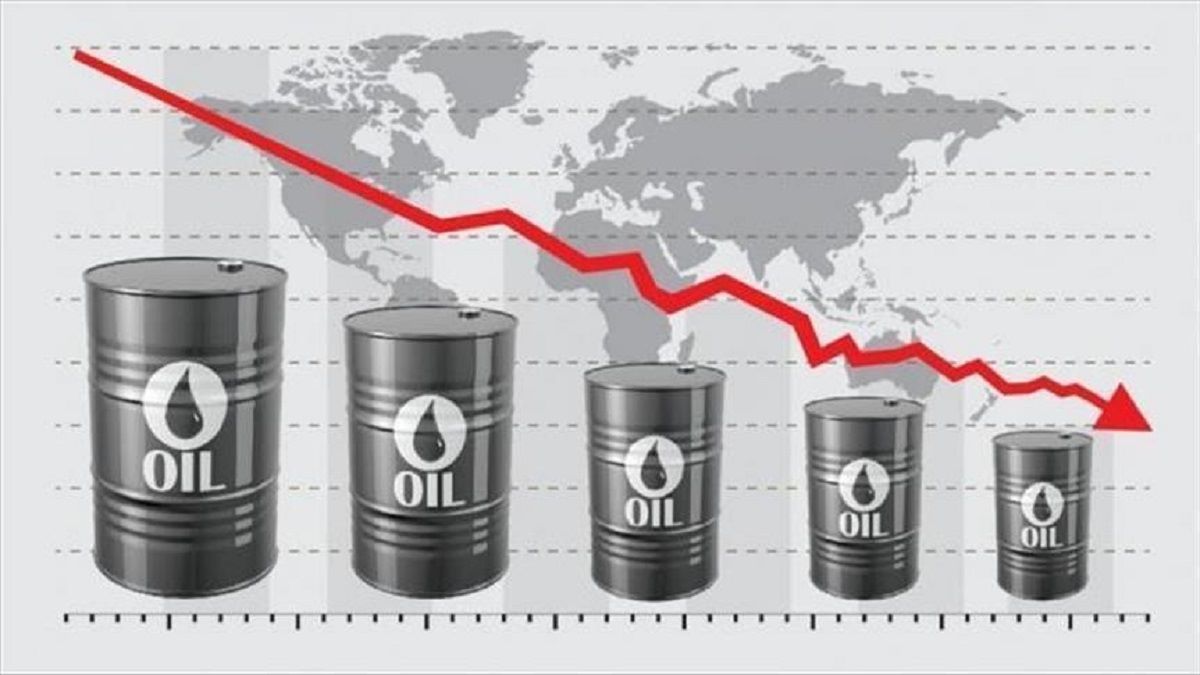
Oil Slides as Asian Buyers Focus on Middle Eastern Grades
Oil prices retreated from three-month highs on Monday as Asian buyers shifted attention to Middle Eastern grades amidst growing concerns over a potential recession in major global economies.
The oil market is off to a strong start in 2025 with Brent is currently trading above $76 per barrel during early trading hours on Monday; despite the oil balance for 2025 looking comfortable.
The strength in the market appears to be on the back of a stronger physical market in the Middle East, ING says on Monday, noting that this is well reflected in the Brent/Dubai spread which has traded into negative territory recently.
According to ING commodities strategists, there are suggestions that Asian buyers have been looking to other Middle Eastern grades amid broader sanctions against Russia and Iran.
Also, analysts said there will also be concerns over how hawkish Trump will be towards Iran when he takes office later this month. Stricter enforcement of sanctions against Iran would leave the market tighter than expected. However, it would also leave an opportunity for OPEC+ to increase supply.
Later, the international benchmark Brent crude fell by 0.6%, reaching $76.01 per barrel, down from $76.47 at the close of the previous session. The US benchmark West Texas Intermediate (WTI) declined by 0.6%, dropping to $73.18 per barrel, compared to its prior session close of $73.63.
The uncertainty surrounding the trade policies of the incoming US administration continues to influence commodity prices, while also impacting the Federal Reserve’s (Fed) policy outlook. Market participants are awaiting the release of US employment data and the minutes from this week’s Federal Open Market Committee (FOMC) meeting.
While the Fed is expected to implement only two interest rate cuts this year, market players will look to the FOMC meeting minutes, due on Wednesday, for further insights into the central bank’s future policy direction.
The Fed is likely to maintain its policy rate at current levels in its first monetary policy decision of the year on Jan. 29. Richmond Fed President Tom Barkin, speaking on Friday, highlighted the key variables influencing the Fed’s interest rate decisions and suggested that it would be prudent to wait and gather more information before making decisions.
Developments in the US, the world’s largest oil consumer, highlight concerns about an economic slowdown that could dampen oil demand. Also, analysts noted that economic activity in China remains below desired levels, with weak domestic demand continuing to pose a challenge.
Experts cautioned that potential risks in China, the world’s biggest crude importer, could significantly affect the global economic landscape.
The natural gas market has also strengthened. TTF broke above EUR50/MWh last week, although it finished the week just below this level. This is after confirmation that Russian pipeline flows via Ukraine were halted with the expiration of Gazprom’s transit deal with Ukraine.
This means that Europe will lose around 15 bcm of annual gas supply. However, this shouldn’t come as too much of a surprise, ING said.
It has been well-telegraphed for over a year that Ukraine had no intention of extending the deal. Adding further support to European gas is the forecast for colder-than-usual weather over the next two weeks, which could see storage falling at a quicker-than-expected pace.
At the moment, storage is a little more than 70% full, well below the 85% seen at the same stage last year and also below the five-year average of around 76%.
Storage levels should still mean that Europe gets through this winter comfortably; however, the refilling of storage through the injection season will be a bigger job than last year, which should provide some support to summer prices.
This is well reflected in the TTF forward curve, with summer 2025 prices trading at a premium to 2025/26 winter prices. 2025 Budget: N13trn Deficit to be Financed Through Borrowing – Edun
