

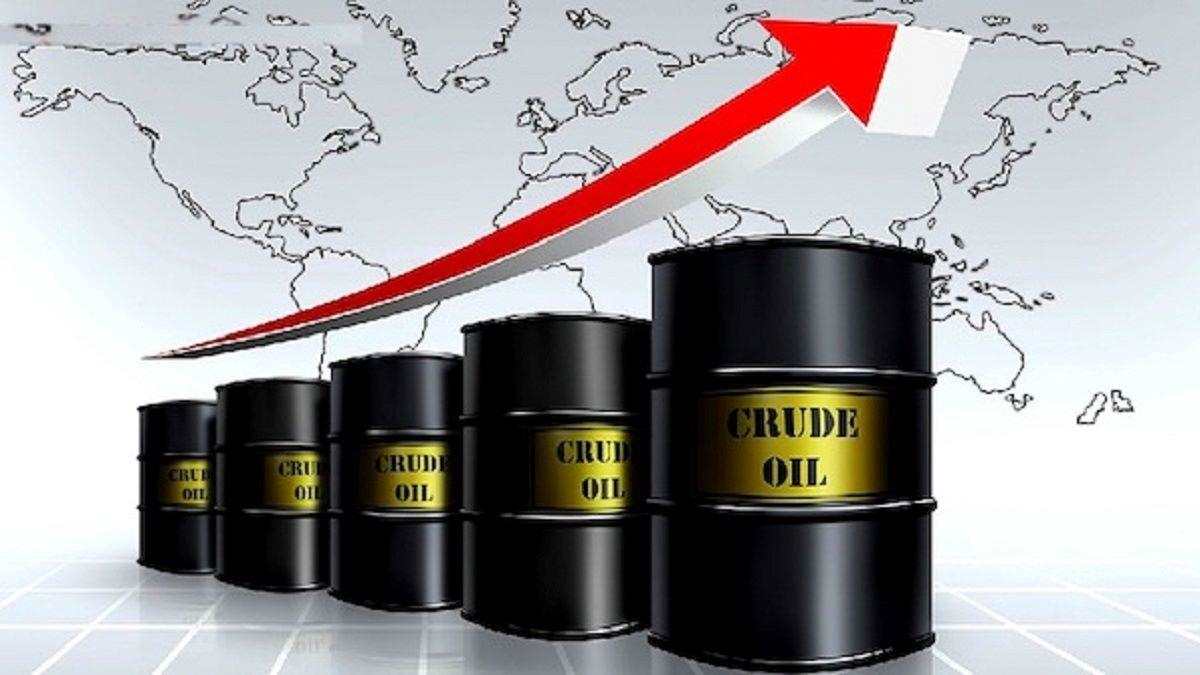
Oil Prices Rise Double-Digit over Unending Peace Talks
The global oil market saw another double-digit price surge week on week amid worsening energy crisis conditions. Prices spiked amidst efforts to resolve the Iran war, with Tehran continuing to block the Strait of Hormuz.
Amidst a series of counter peace proposals, Iranian ports and exports of crude have suffered from a US Navy blockade under the US President Donald Trump’s directive, tightening the supply side.
Oil prices were set for strong weekly gains on Friday, driven by prolonged supply disruptions linked to the US/Israel-Iran conflict and uncertainty over the Strait of Hormuz.
International benchmark Brent crude traded at $110.90 per barrel, up 11.9% from the previous Friday’s close of $99.13. US benchmark West Texas Intermediate (WTI) was up 10.1% on the week at $103.91 per barrel, compared with $94.40 a week earlier.
Brent crude futures for June also continued to rise, hitting $126.41 a barrel before expiry, marking the highest level since March 2022, according to oil market reports.
Prices were supported by expectations that disruptions at the Strait of Hormuz, which has been largely inaccessible for more than eight weeks, could persist longer than previously anticipated, tightening global supply.
Markets also remained focused on Washington’s stance on maintaining a naval blockade targeting Iranian ports, while diplomatic efforts to secure a lasting ceasefire showed limited progress.
Gains accelerated during the week as investors priced in a higher risk of renewed military escalation, following reports that US officials were reviewing additional military and maritime options against Iran.
Each sign of delay in the normalisation of shipping flows through the Strait reinforced concerns over bottlenecks, slower inventory replenishment, and sustained pressure on physical crude markets, particularly in Asia.
Geopolitical risk premiums stayed elevated amid reports that US President Donald Trump had been briefed on new military options regarding Iran, reinforcing expectations of continued volatility.
The US and Israel launched strikes on Iran in late February, triggering retaliation from Tehran against US allies in the Gulf and disrupting shipping flows in the region, including the Strait of Hormuz.
A ceasefire was announced on April 8 through Pakistani mediation, followed by talks in Islamabad on April 11-12, but no agreement was reached. Trump later extended the truce at Pakistan’s request without setting a new timeframe.
Since mid-April, the US has enforced a naval blockade targeting Iranian maritime traffic in the Strait. Bitcoin Gains, Price Rises to $78.5k on Aggressive Spot Buying
