

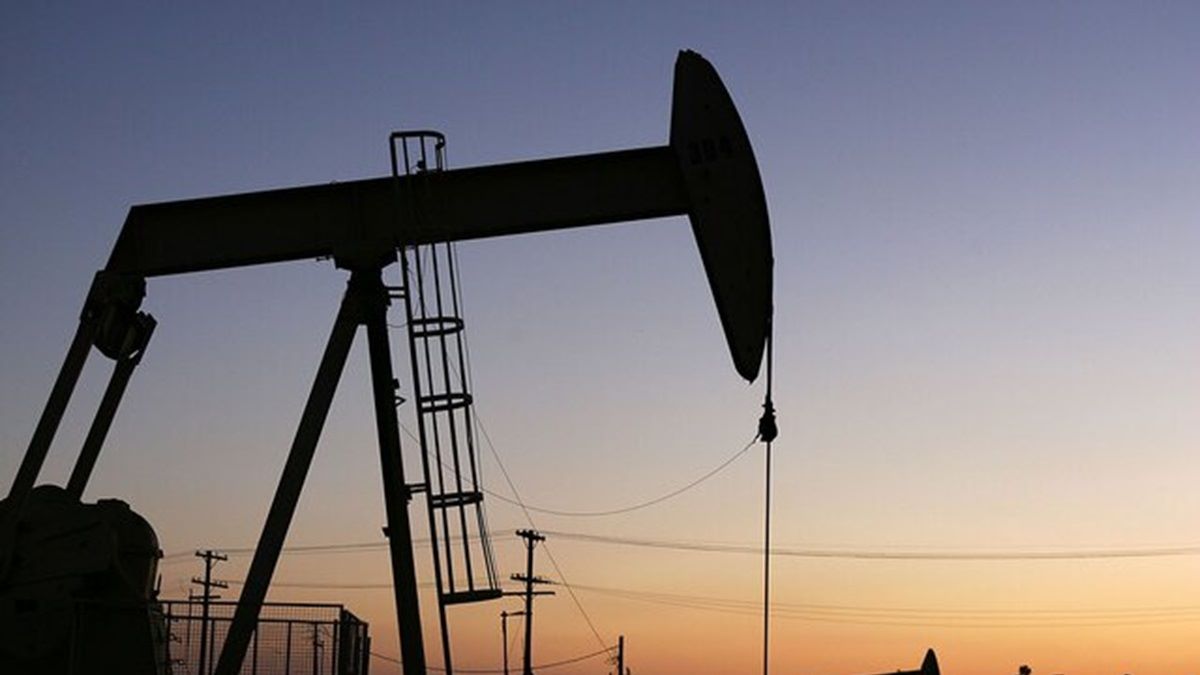
Oil Prices Rise 8% as Supply Disruption Persists
Oil prices rose 8% on the week as escalating conflict in the Middle East and mounting threats to energy shipments through the Strait of Hormuz heightened supply risks.
Crude oil prices maintained an uptrend despite large-scale emergency stock releases and policy moves to stabilise supply, which limit further upside.
International benchmark Brent crude traded at $98.18 per barrel, up 8.1% from last Friday’s close of $90.83. US benchmark West Texas Intermediate (WTI) rose 5.7% to $94 per barrel, compared with $88.89 a week earlier.
The rally is primarily driven by intensifying geopolitical risks across Middle East energy corridors. Escalating conflict following US and Israeli strikes on Iran fuels fears that regional fighting could disrupt crude supply flows from one of the world’s most critical producing regions.
Concerns are particularly focused on the Strait of Hormuz, through which a significant share of global seaborne crude shipments pass. Reports that Iran has begun laying mines in the waterway using smaller vessels significantly increase anxiety over potential shipping disruptions.
Iran’s new Supreme Leader Mojtaba Khamenei further raises market concerns by stating that “lever of blocking Strait of Hormuz must continue to be used,” reinforcing fears that energy flows through the corridor could become a direct tool in broader regional confrontation.
Market volatility intensifies earlier in the week when Brent surged to $114.30 per barrel, highest level since June 2022, as traders react to rapidly escalating military tensions and mounting threats to oil infrastructure.
Supply risks also increased after attacks targeted oil tankers near Iraqi waters in the northern Gulf. Two international tankers are struck near Basra port, briefly pushing crude futures back toward $100 per barrel and reigniting fears that regional shipping lanes could become vulnerable to further sabotage.
At the same time, oil production in Iraq declined sharply following regional attacks. Output falls to roughly 1.3 million barrels per day (bpd) from about 3.3 million barrels before the outbreak of hostilities, according to Iraqi officials, amplifying concerns over tightening global supply.
However, upward momentum in oil prices is restrained by coordinated emergency supply measures aimed at stabilising global energy markets.
Members of the International Energy Agency (IEA) agreed to release around 400 million barrels from strategic oil reserves, the largest coordinated emergency stock release in the agency’s history. The move is designed to offset supply disruptions stemming from the escalating Middle East conflict.
The US also announces additional market support measures. The US Department of Energy confirmed a plan to release 172 million barrels of crude from the Strategic Petroleum Reserve over roughly 120 days.
Further limiting price gains, Washington introduced temporary authorisation allowing purchases of Russian oil already stranded at sea, a measure officials say is intended to ease short-term supply pressures and prevent excessive price spikes.
Supply-side signals also emerged from inventory data. US commercial crude stocks rose by about 3.8 million barrels to 443.1 million barrels, according to Energy Information Administration (EIA), exceeding market expectations and pointing to weaker demand signals in the world’s largest oil consumer. Nigeria’s Private Sector Activity Deteriorated in January -Stanbic IBTC
