
Close Menu
MarketForces AfricaMarketForces Africa
    What's Hot

    First Holdco Slumps 20% as Investors’ Sentiment Deteriorates

    June 22, 2026

    FX Spot, Derivatives Markets Turnover Rises 7.7% to $2.32bn

    June 22, 2026

    Banking Index Sinks as 12 Nigerian Listed Banks Lose N2.5trn

    June 21, 2026
    Facebook X (Twitter) Instagram
    Trending
    • First Holdco Slumps 20% as Investors’ Sentiment Deteriorates
    • FX Spot, Derivatives Markets Turnover Rises 7.7% to $2.32bn
    • Banking Index Sinks as 12 Nigerian Listed Banks Lose N2.5trn
    • Naira Softens on Weak FX Supply, Foreign Reserves Top $51bn
    • Equities Investors Lose N5.6trn as NGX Indicators Plunge
    • Iran Plans to Restore 3mbpd Oil Production in 60 Days
    • Aradel Grows Profit by 192%, Declares N23 as Final Dividend
    • Dangote Cement Sells 64% of Production Volume to Nigerians
    • Home
    • About Us
    Facebook X (Twitter) Instagram LinkedIn WhatsApp TikTok Telegram
    MarketForces AfricaMarketForces Africa
    Subscribe
    Monday, June 22
    • Home
    • News
    • Analysis
    • Economy
    • Mobile Banking
    • Entrepreneurship
    MarketForces AfricaMarketForces Africa
    MarketForces Africa » Economy » Nigeria’s Public Finance Starts Falling Since 2016 –Moody’s

    Nigeria’s Public Finance Starts Falling Since 2016 –Moody’s

    Marketforces AfricaBy Marketforces AfricaFebruary 2, 2022Updated:February 2, 2022 Economy No Comments4 Mins Read
    Nigeria’s Public Finance Starts Falling Since 2016 –Moody’s
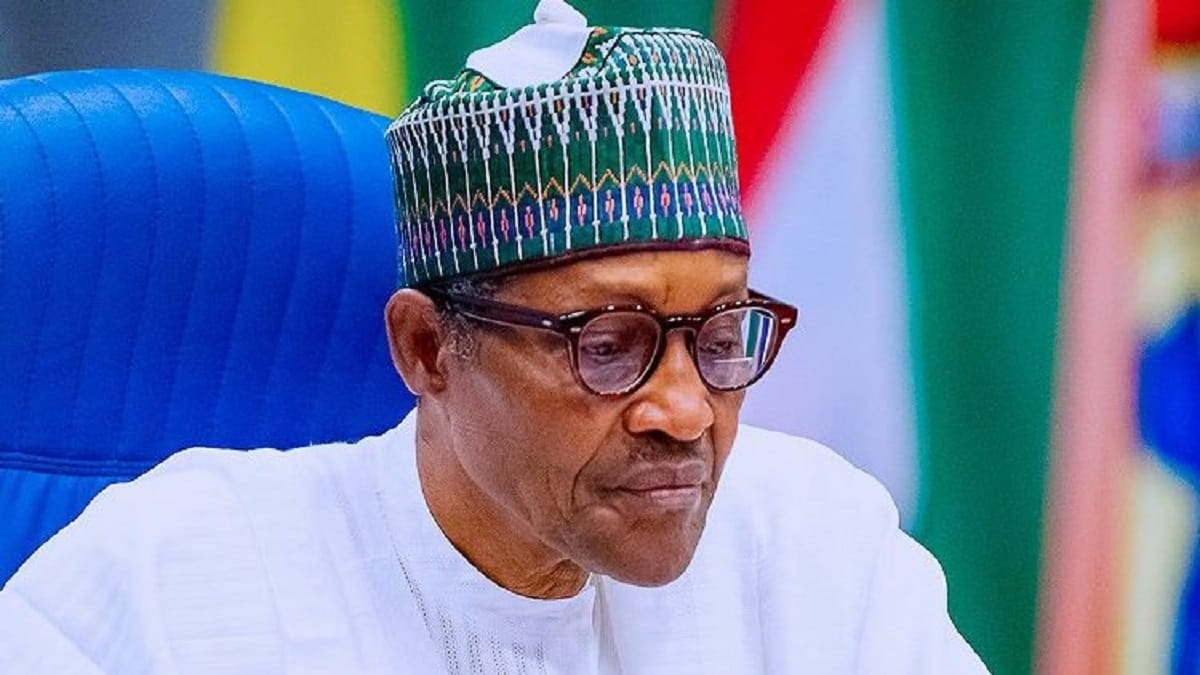
    President Muhammadu Buhari
    Share
    Facebook Twitter LinkedIn Pinterest Email Tumblr Reddit Telegram WhatsApp Copy Link

    Nigeria’s Public Finance Starts Falling Since 2016 –Moody’s

    Nigeria’s public finances have been deteriorating since 2016 due to successive oil prices shocks, Moody’s Investor Services said in a rating note. Reliance on hydrocarbon revenue amidst low non-oil income has continued to impact the Federal Government revenue profile, causing fiscal slippage due to uncertainties around the country production volume.

    Key revenue determinants are basically outside Nigeria’s control as global demand dictates the market price of crude oil and production volume continues to underperform expectations.

    In a decade, budget deficits have persisted over fiscal authority’s expansionary stance. While the government wants to spend more on both recurrent and capital expenditure, its revenue generation has been weak –thus resulting in borrowings.

    But borrowing is heavy at about N40 trillion with debt service costs claiming 20% -25% of annual budget spending for more than 200 million Nigeria.

    This has resulted in low education, poor infrastructural base, unsavoury health care and increased crime rate in Nigeria. Most Nigerians feel neglected by the centre for policy inadequacies. Debt size has weakend public finance, worsen by persisten fiscal slippage.

    Without blinking about economic woes and weak public finance that betide the nation, the political class continues to outmanoeuvre the electorates and cash gifts dominate campaigns in Nigeria. According to the global rating, Moody’s projected that the government’s inability to significantly expand the non-oil revenue base means that its balance sheet is exposed to further shocks.

    In the next few years, it said deficits will narrow with the recovery in oil prices, production and some fiscal measures, albeit remaining substantial to average 4.5% of GDP over 2021-2025.

    Debt affordability will remain very weak and debt levels will increase slightly towards 35% of GDP and stabilize above 400% of revenue, according to the rating note. Moody’s expects general government revenue to be around 6.8% of GDP in 2021, slightly higher than in 2020 at 6.3%; and to gradually increase to reach 8% in 2024-25.

    The rating note hints that the government’s goal for revenues to reach 15% of GDP by 2025 is unlikely to be achieved or even approached, given the institutional capacity constraints and lack of track record in improving public finance.

    Moody’s said in the report that while the International Monetary Fund (IMF) has identified a number of fiscal measures to raise revenue, based on Nigeria’s track record, it expects only a few of the reforms to be fully implemented over the period.

    “The phasing out of oil subsidies, currently planned by the authorities in 2022, would potentially raise revenue by 1% of GDP if fully implemented”.

    Moody’s assumes that only some of these fiscal benefits will be realised in the foreseeable future. In this context of very gradual fiscal consolidation, Moody’s expects liquidity risk to remain contained with gross borrowing requirements of around 8% of GDP in the future after they peaked at 9% of GDP in 2020.

    The global rating agency said although the government has relied on central bank funding to finance its deficits since 2018, it has also been able to increasingly rely on its domestic capital markets, which have continued to develop rapidly.

    Meanwhile, external government liquidity risk remains limited. External debt service remains manageable, with an average maturity at around 14 years, Moody’s stated in the rating note.

    “Slightly more than half of government external debt is on concessional terms, with 55% owed to multilateral development banks”, it added. Read: Nigerian Economy Scores ‘Highs’ and ‘Lows’ in Fresh Rating

    Overall, the rating report indicates that Nigeria’s average external debt service – principal and interest- is relatively small at around $3.2 billion (0.7% of GDP) per year over the next five years.

    The government is likely to continue to favour official sector external borrowing and opportunistic long-term issuance on the international markets, it added. #Nigeria’s Public Finance Starts Falling Since 2016 –Moody’s

    Share. Facebook Twitter Pinterest LinkedIn Tumblr Email
    Marketforces Africa
    • Website
    • Facebook
    • X (Twitter)
    • Instagram
    • LinkedIn

    MarketForces Africa, a Financial News Media Platform for Strategic Opinions about Economic Policies, Strategy & Corporate Analysis from today's Leading Professionals, Equity Analysts, Research Experts, Industrialists and, Entrepreneurs on the Risk and Opportunities Surrounding Industry Shaping Businesses and Ideas.

    Keep Reading

    Nigeria’s Debt Office to Reopen N1.2trn Bonds for Subscription

    Investors Offload Nigerian Treasury Bills after Discount Rates Surge

    CBN Hikes Interest Rates on Treasury Bills to 17.34%

    Nigeria Eurobonds Yield Rises 8bps on Risk-Off Sentiment

    IMF: FG Dismisses Report on New Telecom, Fuel Taxes

    CBN to Open N1trn Treasury Bills for Subscription on Wednesday

    Add A Comment

    Comments are closed.

    Editors Picks

    First Holdco Slumps 20% as Investors’ Sentiment Deteriorates

    June 22, 2026

    FX Spot, Derivatives Markets Turnover Rises 7.7% to $2.32bn

    June 22, 2026

    Banking Index Sinks as 12 Nigerian Listed Banks Lose N2.5trn

    June 21, 2026

    Naira Softens on Weak FX Supply, Foreign Reserves Top $51bn

    June 21, 2026

    Equities Investors Lose N5.6trn as NGX Indicators Plunge

    June 21, 2026
    Latest Posts

    Nigeria’s Debt Office to Reopen N1.2trn Bonds for Subscription

    June 19, 2026

    Investors Offload Nigerian Treasury Bills after Discount Rates Surge

    June 19, 2026

    CBN Hikes Interest Rates on Treasury Bills to 17.34%

    June 17, 2026

    Nigeria Eurobonds Yield Rises 8bps on Risk-Off Sentiment

    June 17, 2026

    IMF: FG Dismisses Report on New Telecom, Fuel Taxes

    June 17, 2026

    Subscribe to News

    Get the latest sports news from Dmarketforces Africa about finance, business and tech.

    Advertisement
    Facebook X (Twitter) Pinterest Vimeo WhatsApp TikTok Instagram

    News

    • World
    • Politics
    • Economy
    • Business
    • Opinions
    • Fintech
    • Science & Technology

    Company

    • About us
    • Advertising
    • Classified Ads
    • Contact Info
    • Editorial Policy

    Services

    • Subscriptions
    • Research
    • Due Diligence
    • Newsletters
    • Sponsored News
    • Work With Us

    Subscribe to Updates

    Subscribe to updates from MarketForces Africa, an independent financial news service provider.

    © 2026 MarketForces Africa. All rights reserved.
    • Privacy Policy
    • Terms
    • Accessibility

    Type above and press Enter to search. Press Esc to cancel.