

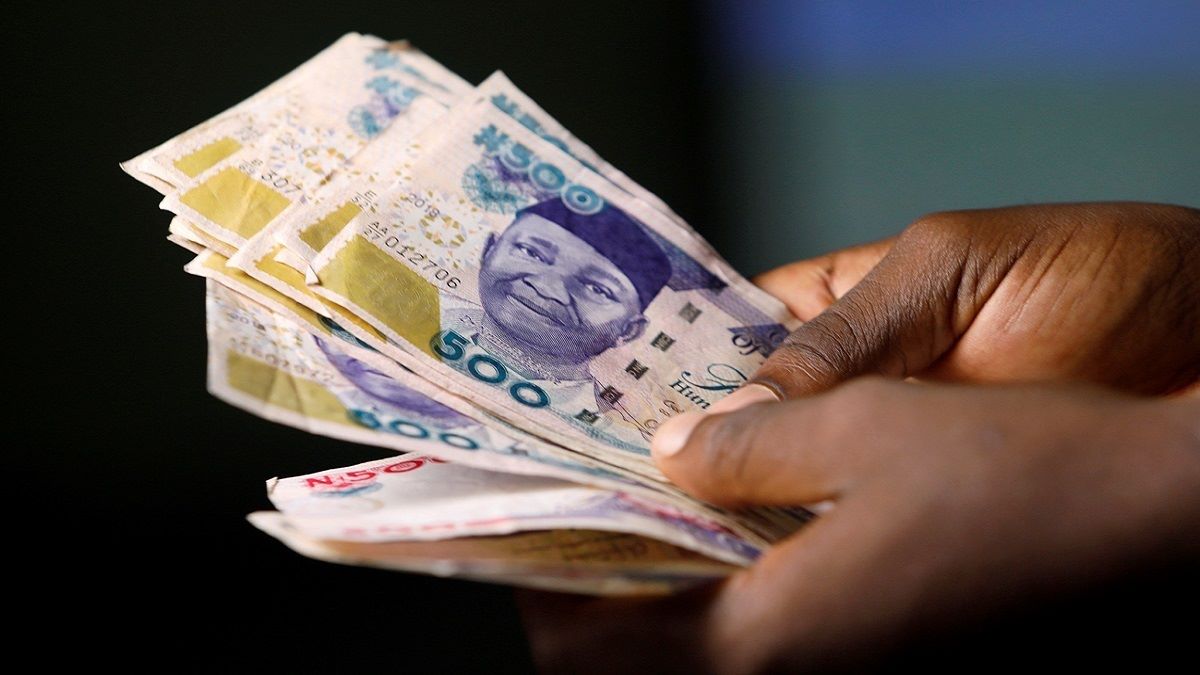
Excess Funds in Banking System Keeps Rates Lower
Excess liquidity level in the banking system kept short-term benchmark interest rates lower despite the Central Bank of Nigeria’s (CBN) effort to optimise the funding profile.
At the close of business on Wednesday, the liquidity level in the financial system increased by more than N1.1 trillion to N2.578 trillion, according to an update from AIICO Capital Limited.
Reflecting strong funding conditions, the money market rates pricing has dropped sharply from the 32% level to tracking below 27% with intermittent swings in overnight lending. A significant liquidity surge followed statutory revenue allocation inflows, prompting the CBN to mop up excess funds with a ₦300 billion OMO auction.
Subscriptions hit ₦860 billion, with ₦842.5 billion allotted. Despite the intervention, interbank rates held at 26.5%. Rates are expected to stay near 26.5% unless major funding pressures emerge
Interbank rates (NIBOR) sustained their upward trend across most maturities today, with the overnight rate rising by 0.08% and the 3-month and 6-month rates increasing by 0.21% and 0.25%, respectively.
This uptick is largely attributed to a liquidity squeeze stemming from the Debt Management Office’s (DMO) settlement of FGN bonds from Monday’s auction.
Money market rates showed varied performance: the Open Repo Rate (OPR) held steady at 26.50%, whereas the overnight rate dipped slightly by 8 basis points to 26.88%.
The Nigerian Interbank Treasury Bills True Yield (NITTY) exhibited mixed performance, with yields on the 3-month and 12-month tenors rising by 7 basis points and 11 basis points, respectively.
The average yield for NT-Bills increased by 14 basis points to 18.51%, reflecting persistent weak and negative investor sentiment in the secondary market. Nigerian Exchange Index Climbs as Investors Gain N203bn
