
Close Menu
    What's Hot

    Kerosene Price Increases to N2,976.94 Per Litre in April- NBS

    May 29, 2026

    At 2026 Ojude Oba, FCMB Embraces Continuity and Enterprise

    May 29, 2026

    Oil Prices Decline as US-Iran Extend Ceasefire

    May 29, 2026
    Facebook X (Twitter) Instagram
    • Home
    • About Us
    Facebook X (Twitter) Instagram WhatsApp
    MarketForces AfricaMarketForces Africa
    Subscribe
    Saturday, May 30
    • Home
    • News
    • Analysis
    • Economy
    • Mobile Banking
    • Entrepreneurship
    MarketForces AfricaMarketForces Africa
    MarketForces Africa » Economy » Analysts See Much Higher Fiscal Deficit for Nigeria
    Economy

    Analysts See Much Higher Fiscal Deficit for Nigeria

    Julius AlagbeBy Julius AlagbeJuly 17, 2022Updated:October 11, 2025No Comments4 Mins Read
    Share Facebook Twitter Pinterest Copy Link LinkedIn Tumblr Email VKontakte Telegram
    Analysts See Much Higher Fiscal Deficit for Nigeria
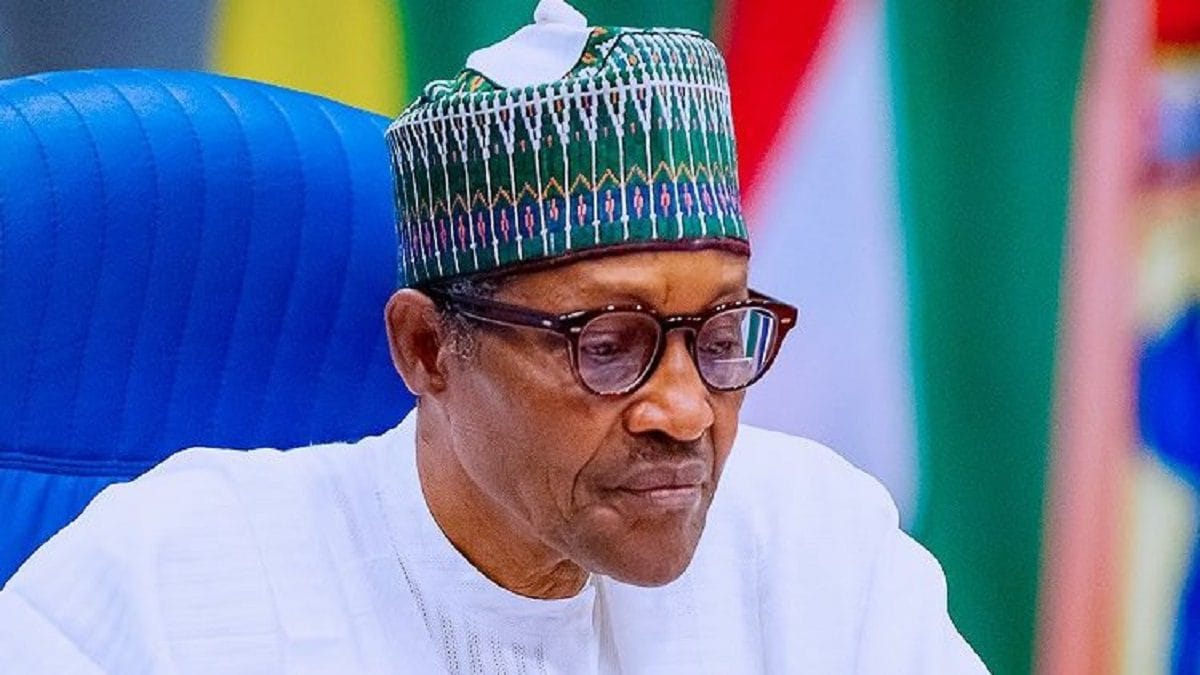
    Presidebt Muhammadu Buhari
    Share
    Facebook Twitter Pinterest Email Copy Link

    Analysts See Much Higher Fiscal Deficit for Nigeria

    Due to Nigeria’s weak revenue performance despite higher global oil prices, analysts have projected a much higher fiscal deficit for 2022. In its macroeconomic note, Cordros Capital said Nigeria’s fiscal deficit will hit N9.74 trillion, from actual record of N7.71 trillion reported last year.

    Nigeria’s revenue expectation is anchored on higher foreign receipts from oil but crude oil production volume has been unimpressive. The organisation of Petroleum Exporting Countries (OPEC) said in a report that Nigeria’s daily production printed at 1.23 million barrels per day, as against 1.8 million barrels per day for the 2022 budget.

    In its monthly report, the Central Bank of Nigeria (CBN) revealed that the Federal Government’s retain revenue underperformed by 8.4% in February 2022. While Cordros Capital sees a much higher budget deficit in 2022 as the firm noted FG’s fiscal slippage record, Fitch Solutions differ in the same.

    The firm said Federal budget deficit would narrow, though analysts hint that revenue performance remains a concern. Fitch analysts believe that higher income from oil and gas companies will help Nigeria’s fiscal position in the year.

    “We believe that higher energy prices will boost the government’s tax take from the crucial oil and gas sector. While our Oil & Gas team predicts that the volume of Nigeria’s oil production will decline by 9.0% in 2022, this will be more than outweighed by the rise in global energy prices.

    “We expect that Brent crude will average USD100 per barrel in 2022, up from just USD74.00 per barrel in 2021. We estimate that the value of Nigeria’s oil exports will jump by 23.7% in naira terms, rising to an all-time high of N21.8 trillion”, it said.

    The gap between expected government revenues in the fiscal year against projected expenditure has been underperforming for years due to untamed fiscal slippage. READ: Rising Fiscal Deficit, Weak Naira Fuel Nigeria’s Debt Burden –Analysts

    The pressure has been worsened by rising inflation while Nigeria continues to use N411 per dollar to convert its foreign debt exposures. Nigeria’s debt profile has crossed N40 trillion and Nigeria’s debt agency has indicated a plan to access the local debt capital market to raise N720 billion in the third quarter.

    At the investors’ window, the naira rate worsened to N430 while parallel market offerings near N620 per the United States dollar. According to the recently released data by the National Bureau of Statistics (NBS), headline inflation rose by 89bps to 18.60% year on year in June – the highest reading since January 2017 when the price level was 18.72%.

    The outturn is in line with Cordros’ estimate of 18.61% year on year and 10 basis points higher than Bloomberg’s median consensus estimate of 18.50%. In a market report, Cordros Capital analysts said the increased consumer prices synchronised neatly with the impact of the high food demand-supply gap as planting season was underway, PMS shortages, elevated diesel and gas prices, and lingering currency pressures.

    The FGN’s fiscal deficit ran ahead of the pro-rate budgeted in February amid a persistent shortfall in the FGN’s retained revenue. According to the CBN’s monthly economic report, the FGN’s retained revenue declined by 8.4% month on month to N371.67 billion in February from N405.51 billion in January.

    The decline was primarily driven by lower inflow from the Federation account, down 54.7% in February given the lower net oil and gas revenue. Simultaneously, aggregate expenditure increased slightly by 0.2% to N952.61 billion versus N951.14 billion in January on account of higher recurrent spending.

    The federal government’s recurrent spending inched upward by +22.7% month on month but capital expenditure was 50.0% below expectation. Nigeria overspent its pro-rated monthly budget in February by 6.5% to N580.93 billion as against total spending of N545 billion in January, the pro-rated budget provision was N466.80, according to fiscal provision.

    “We maintain our expectation of underwhelming FGN’s retained revenue in 2022E, given the expected significant shortfall in oil revenue.

    At the same time, we expect the government to meet its expenditure targets in line with historical precedence amid increased spending on vulnerable groups”, Cordros Capital said in a note. The firm said its baseline expectation is that the fiscal deficit will print N9.74 trillion including government-owned enterprises in 2022, a higher print compared with N7.71 trillion level seen in 2021. 

    However, higher oil prices will also affect the expenditure side of the budget by forcing the government to increase its spending on domestic fuel subsidies. “We still think that the higher price of oil will have a positive effect on the federal government’s overall budget position”, Fitch solutions said. #Analysts See Much Higher Fiscal Deficit for Nigeria

    FGN Investors
    Share. Facebook Twitter Pinterest LinkedIn Tumblr Email Telegram Copy Link
    Julius Alagbe
    • Website
    • LinkedIn

    Julius Alagbe is a senior financial journalist and Editor at MarketForces Africa with nearly two decades of experience in finance, accounting, and economics reporting.He is one of Nigeria's most prolific financial market reporters, covering capital markets, monetary policy, corporate earnings, banking, telecoms, and macroeconomic developments across Africa.Julius has built a strong footprint reporting on Nigeria's leading corporates and financial services sector, including coverage of the Nigerian Exchange Group, Central Bank of Nigeria monetary operations, MTN Nigeria, GTCO, and major investment banking transactions.He regularly monitors the CBN’s open market operations, interbank FX markets, and equity market movements, providing readers with real-time intelligence on Nigeria’s financial landscape.His reporting draws on direct access to institutional research from firms including Moody’s Ratings, CardinalStone Securities, Fitch, and other leading African investment houses.Julius brings analytical depth and editorial rigour to every story, making complex financial data accessible to professionals, investors, and policymakers across Africa.Julius Alagbe is based in Lagos, Nigeria.

    Related Posts

    News

    Tax Reforms: ACCI Urges 2-Year Grace Period on Tax Penalties

    May 27, 2026
    News

    Removal of Fuel Subsidy Stopped Nigeria’s Economy From Crashing — Alake

    May 22, 2026
    News

    Alake Says Mining Reforms Attracted $2.6bn Investment

    May 22, 2026
    News

    Nigeria Customs Launches Smart Declaration System to Curb Airport Delays

    May 20, 2026
    News

    Nigeria Eurobonds Yield Climbs as Inflation Shifts Sentiment

    May 18, 2026
    News

    Nigeria Bonds, T-Bills Yields Ease on Naira Assets Attraction

    May 13, 2026
    Add A Comment

    Comments are closed.

    Editors Picks

    Kerosene Price Increases to N2,976.94 Per Litre in April- NBS

    May 29, 2026

    At 2026 Ojude Oba, FCMB Embraces Continuity and Enterprise

    May 29, 2026

    Oil Prices Decline as US-Iran Extend Ceasefire

    May 29, 2026

    South African Rand in Sideways Moves Ahead of Economic Data

    May 29, 2026
    Latest Posts

    Tax Reforms: ACCI Urges 2-Year Grace Period on Tax Penalties

    May 27, 2026

    Removal of Fuel Subsidy Stopped Nigeria’s Economy From Crashing — Alake

    May 22, 2026

    Alake Says Mining Reforms Attracted $2.6bn Investment

    May 22, 2026

    Nigeria Customs Launches Smart Declaration System to Curb Airport Delays

    May 20, 2026

    Nigeria Eurobonds Yield Climbs as Inflation Shifts Sentiment

    May 18, 2026

    Subscribe to News

    Get the latest sports news from NewsSite about world, sports and politics.

    About US
    About US

    MarketForces Africa is a financial information service provider with interest in media, training and research. The media platform provides information about markets, economies, and crypto, forex markets and investment ecosystem.

    Contact Us:
    Suite 4, Felicity Plaza, Freedom Estate Drive, Lagos-Ibadan Express Road, Magboro
    T: . 08076677707, 08052076440

    Facebook X (Twitter) Instagram Pinterest YouTube
    Latest Posts

    Kerosene Price Increases to N2,976.94 Per Litre in April- NBS

    May 29, 2026

    At 2026 Ojude Oba, FCMB Embraces Continuity and Enterprise

    May 29, 2026

    Oil Prices Decline as US-Iran Extend Ceasefire

    May 29, 2026

    Subscribe to Updates

    Get the latest creative news from FooBar about art, design and business.

    © 2026 Marketforces Africa
    • About
    • Contact us
    • Subscription Plans
    • My account

    Type above and press Enter to search. Press Esc to cancel.