

Ghana Sees Rapid Fall in Selling Prices as Cedi Rally – PMI
Companies in Ghana’s private sector lowered their selling prices at a sharp and accelerated pace in July as costs for purchases decreased at the fastest pace on record following a recent appreciation of the cedi, details from July purchasing manager index (PMI) released by S&P Global revealed.
According to the index, falling prices helped to support strong confidence in the outlook for business activity, but signs of a softening in current demand meant that July saw output decrease slightly for the first time in six months.
The S&P Global Ghana Purchasing Managers’ Index™ (PMI®) dipped to 50.2 in July from 51.3 in June, remaining just above the 50.0 no-change mark and signalling a marginal strengthening in the health of the private sector.
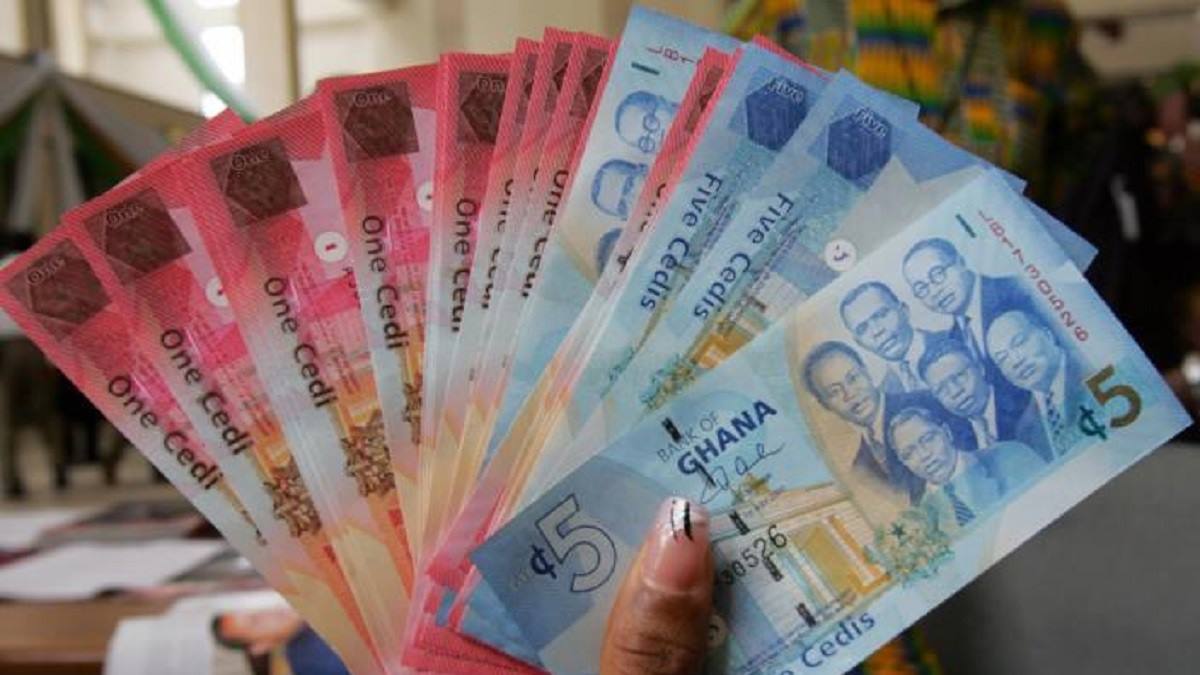
The latest improvement was the least marked in the current six-month sequence of strengthening business conditions. As has been the case in recent months, July saw the continued impact of the appreciation of the cedi against the US dollar.
In fact, purchase costs decreased at the sharpest pace on record, with the rate of reduction surpassing the previous low in March 2020. In turn, companies lowered their own selling prices at a steep and accelerated pace.
The latest fall was the second-fastest in the series history, only fractionally weaker than that seen in March 2020. While purchase prices decreased, firms continued to see a rise in staff costs, and the pace of inflation in fact ticked higher in July.
Respondents indicated that they had raised salaries as part of efforts to motivate workers. Despite the rise in staff costs, the steep reduction in purchase prices meant that overall input costs decreased for the third month running, albeit at a slightly softer pace than in June.
Falling prices and hopes that exchange rates will remain stable supported confidence that output will increase over the coming year.
Moreover, business sentiment was the strongest since February 2017 as 83% of respondents expressed a positive outlook. While business confidence improved, there were some signs of current demand conditions softening as the second half of the year began.
New orders increased for the sixth month running as price cuts helped firms to secure new business, but the rate of expansion was only marginal and the softest in the current sequence of growth.
Meanwhile, business activity decreased, thereby ending a five-month sequence of expansion. Some panellists reported money shortages among clients, which in turn acted to limit output.
Employment continued to rise solidly in July, albeit with the pace of job creation easing further from May’s series record. Companies linked higher workforce numbers to rising new orders and the filling of previously vacant positions.
Rising staffing levels at a time of softer new order growth meant that firms were able to deplete backlogs of work again. Moreover, the pace of reduction in outstanding business quickened to the fastest since June 2024. Firms continued to expand their purchasing activity, with the latest increase linked to a combination of falling prices for inputs and higher new orders. That said, the pace of growth eased to the weakest in the current six-month sequence and was only slight. Similarly, inventories also rose, but at a slower pace.
Suppliers’ delivery times shortened, meaning that vendor performance has now improved on a monthly basis throughout the past four years. The latest shortening of lead times was solid, albeit the least pronounced in three months.
Andrew Harker, Economics Director at S&P Global Market Intelligence said, “There was no let-up in the downward pressure on prices in Ghana’s private sector during July. On the contrary, output prices decreased at a sharp and accelerated pace as companies passed on a record fall in purchase costs to their customers.
‘”July saw a set-back in terms of output, however, which fell amid a softening of new order growth. This will hopefully prove to be a temporary blip, with activity returning to growth once price trends stabilise.
Indeed, business confidence strengthened to the highest in almost eight-and-a-half years, boding well for the near future. “July’s reduction in interest rates by the Bank of Ghana was consistent with the prices data from the PMI survey, which will be key in illustrating how trends evolve over the coming months”. #Ghana Sees Rapid Fall in Selling Prices as Cedi Rally – PMI ETI Divests Stake in Ecobank Mozambique to FDH Bank
