

Fitch Keeps Cameroon at ‘B’ with Negative Outlook
Fitch Ratings has affirmed Cameroon’s long-term foreign currency issuer default rating (IDR) at ‘B’ with a negative outlook. In a note, Fitch revealed that the negative reflects political risks related to potential succession issues and structural weaknesses in public finance management (PFM).
This is evidenced by weak liquidity management, late external debt payments, and accumulation of domestic arrears, according to the rating note. Cameroon’s ratings are supported by its resilient GDP growth, a manageable debt maturity schedule and expectations that moderate budget deficits and debt levels will be supported by non-oil revenue mobilization and spending restraint.
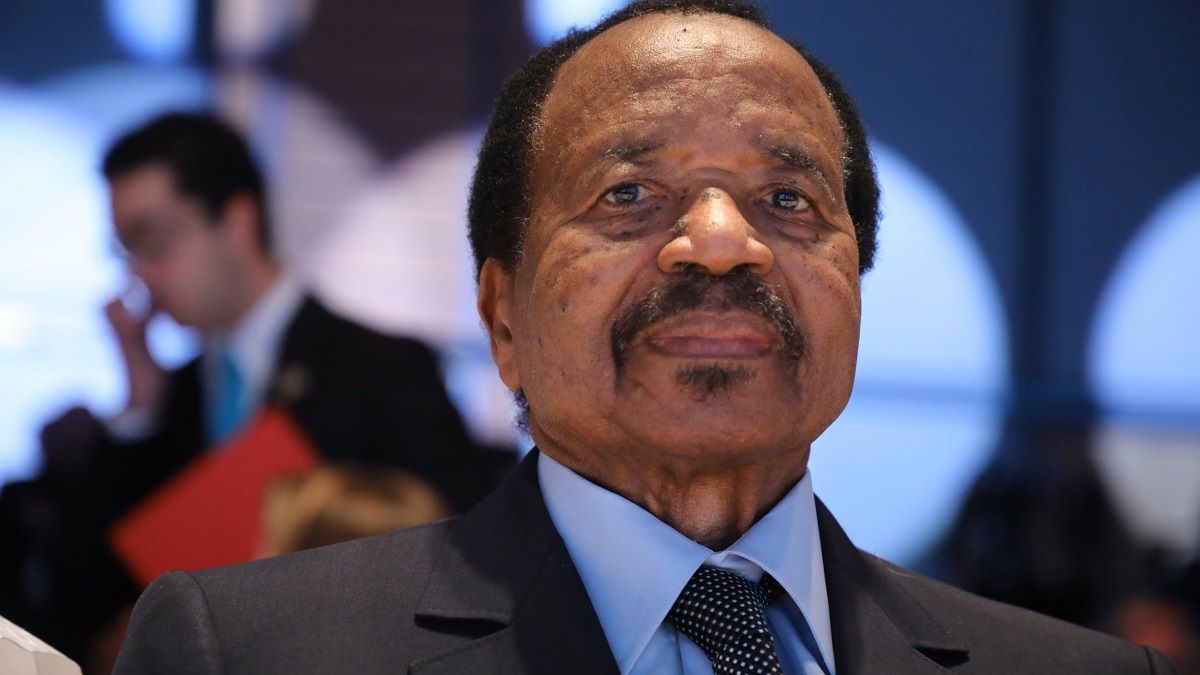
Analysts added that this is balanced against low GDP per capita, weak governance indicators, and persistent security challenges. The 92-year-old President Paul Biya, in power since 1982, will likely run in the presidential election, scheduled for October 2025, Fitch said.
The rating note stated that social and political tensions could increase in the run-up to the election, increasing concerns about Cameroon’s political stability, policy continuity and commitment to reform – which underpin bilateral support.
The lack of a succession plan and political divisions and rivalries within the ruling party exacerbate the risk of a disorderly transition of power. The rating note revealed that the country’s weaknesses in budget planning and execution, and debt management weigh on the rating.
The government’s exceptional spending procedures remain high, albeit declining, due to constant unexpected security spending and liquidity pressures. PFM weaknesses are evidenced by occasional late external debt service payments.
It was revealed in July that Cameroon was late in making external debt payments to one commercial creditor in March 2024. Moreover, in 2024, Cameroon has cleared XAF467 billion of domestic arrears using proceeds of a private placement issuance and resources lent by Afreximbank.
“We see continued risk of arrears accumulation given a projected financing shortfall”, Fitch Ratings said amidst country’s tight finance.
In 2004, Cameroon is unlikely to obtain budgeted financing from the World Bank of USD200 million, due to delays in implementing structural reforms, Fitch stated.
Analysts explained that the projected shortfall in financing will be compensated by spending cuts. The funds could be disbursed in 2025, but the electoral context may further slow reform implementation.
“Nevertheless, we expect Cameroon’s funding needs will be covered through the existing IMF programme, ending June 2025, and official creditor support tied to the completion of the reviews”.
The government will also rely on the regional bond market.
Fitch baseline assumes strong support from official creditors will continue over the medium term, with a potential renewal of the IMF programme in 2026, which is key for the financing plan. Cameroon has limited fiscal room, and fiscal consolidation is being driven by spending cuts, mainly on capex under-execution.
“We forecast the fiscal balance on a commitment basis will shift to a surplus of 0.1% of GDP in 2024, remaining broadly stable in 2025-2026.
“Oil revenues will decline due to lower oil prices and production, but non-oil revenues will continue to improve through revenue mobilisation measures, tax exemptions reduction, and improvement in tax and customs administrations”.
Fitch also forecast the fiscal deficit on a cash basis to widen from 0.4% of GDP in 2023 to 1.6% in 2024, as net repayment of arrears is expected at 1.7% of GDP at end-2024.
“We expect the cash deficit will decline to 0.7% of GDP in 2025 and 0.6% in 2026, although the pace of net repayment of arrears casts uncertainty on the fiscal trajectory”. The government is committed to reduce fuel subsidies, increasing retail petroleum prices in 2024 by 15%, after a 21% rise in 2023.
However, given the importance of social stability and the presidential election, we assume the government will not increase petroleum prices in 2025, delaying the phasing out of fuel subsidies.
“We estimate fiscal financing needs, at 5.7% of GDP in 2024, will decline to 4.7% of GDP in 2025, owing to lower cash deficit and arrears repayment. We project fiscal financing needs will increase to 5.4% of GDP in 2026 as domestic debt amortisation will amount to 2.6% of GDP after 2.1% in 2024.
“External debt amortisation will increase from 2.0% of GDP in 2024 to 2.1% in 2025 and 2.2% in 2026, including Eurobond payment at 0.1% of GDP per year”. Fitch project GDP growth and moderate cash budget deficits will maintain government debt on a declining path from 41.7% of GDP in 2023 to 36.3% in 2026, below the ‘B’ median forecast of 56.4%.
Also, analysts expect real GDP growth to increase to 3.7% in 2024 from 3.2% in 2023. “We forecast growth at 4.0% in 2025 and 4.1% in 2026, driven by agriculture, construction, and the coming on-stream of infrastructure and electricity projects, below the ‘B’ median forecast of 4.7%”.
Downside risks to growth stem from geopolitical uncertainties leading to renewed commodity price volatility, supply chain disruptions, and inflationary pressures. The 2025 presidential election threatens reform implementation and increases security and social risks.
Analysts forecast the current account deficit (CAD) to narrow from 4.1% of GDP in 2023 to 3.6% of GDP in 2024 owing to higher cocoa prices supporting exports. Fitch projects the CAD will fall to 3.2% of GDP in 2025-2026, as the decline in oil production will be offset by the implementation of the import substitution policy, while exports will increase thanks to stronger agricultural production. Equities Investors Wealth Rises as Nigerian Exchange Rally
