

Nigerian US Dollar Bond Yield Hits 10.2% – Trader
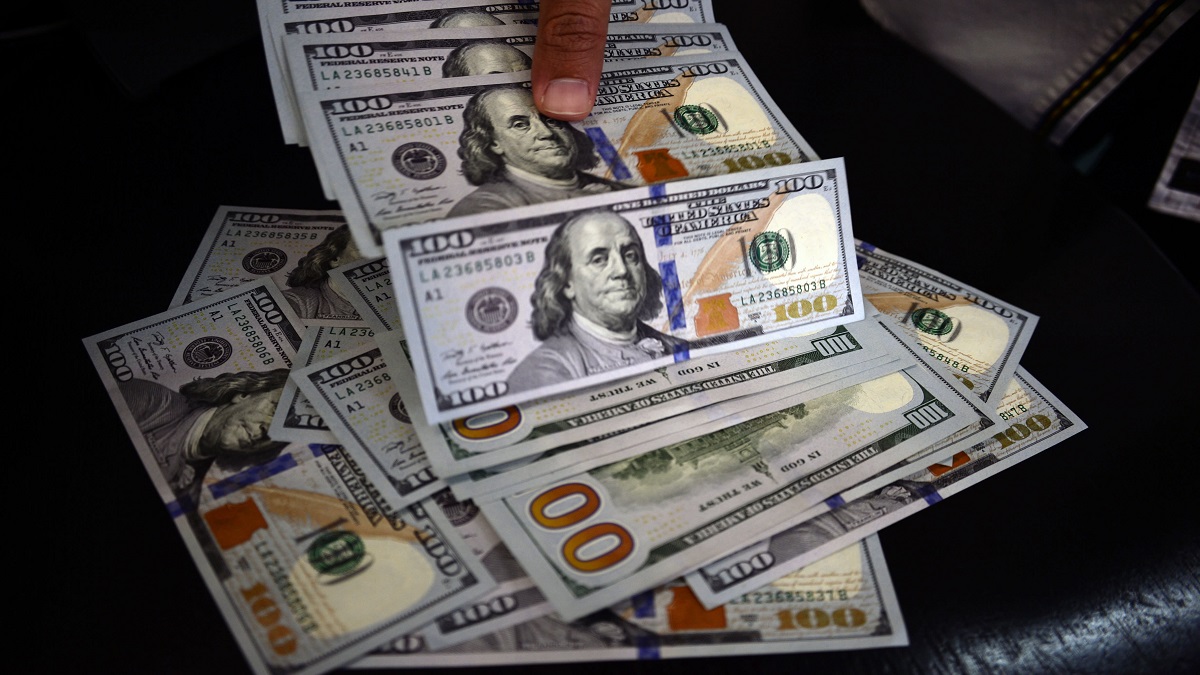
In the sovereign Eurobonds market, waning sentiment was observed across various maturities, leading to a 21-basis point uptrend in the average yield to 10.20%, Cowry Asset Limited told investors in an emailed note.
The Nigerian US dollar bonds have seen selling pressures amidst uncertainties in the local economy. The market gauges the latest policy decision by the government as part of effort to drive economic growth and stabilised price level.
The naira has lost significant value in the last one year due to the monetary policy actions seeking to revamp the economy. The devaluation has triggered negative, unintended consequence, pushing some companies in the private sector to near distress.
Rate adjustment is expected to filter into debt instrument pricing in the second half of the year, and possibility on default rate has increase, analysts said, adding that higher interest rate in an economy that’s not doing well is headwind.
Nigeria’s Finance and Coordinating Minister of the Economy, Wale Edun, on Thursday, reported a dramatic drop in the debt service ratio from an alarming 97 per cent in June 2023 to a more sustainable 68 per cent in 2024.
Addressing a press conference on the economy’s half-year performance in Abuja, Edun asserted that the reduction allows the government to redirect funds to essential sectors such as infrastructure, education, healthcare, and social services, thereby improving credibility with investors and international financial institutions.
The Minister also noted a decline in Nigeria’s total debt; both domestic and foreign dollar-denominated debt fell from $181 million to $98 million, attributed to timely payments to contractors and the government’s exit from the Ways and Means Financing scheme. He added that the Federal government’s economic policies over the past year have started yielding positive outcomes.
Edun highlighted an extraordinary 30 per cent growth in non-oil income, surpassing last year’s performance and exceeding budget expectations for the first half of 2024.
He emphasized the government’s commitment to diversifying revenue sources beyond oil through robust tax reforms aimed at doubling government revenue as a percentage of GDP, from approximately 14–15 per cent to around 25 per cent.
In the US, Shorter-term government debt rallied, sending the policy-sensitive 2-year yield to its lowest level in more than five months or almost 4.42%.
Meanwhile, long-term Treasurys sold off, pushing the 10-year benchmark yield to a two-week high of nearly 4.29%.
The result was a narrowing difference or spread between the two yields that left this part of the Treasury curve at its least-inverted level since July 12, 2022, or minus 13 basis points.
Ordinarily, the 10-year yield trades above its 2-year counterpart when traders assume brighter U.S. economic growth prospects ahead, leaving the so-called 2s10s spread as positive.
Instead, the spread has been inverted or below zero for two full years as higher interest rates from the Federal Reserve’s inflation fight took hold, raising expectations for an eventual U.S. economic downturn. #Nigerian US Dollar Bond Yield Hits 10.2% – Trader
