

Food Crisis: Naira Purchasing Power Sinks as Prices Skyrocket
Market prices of everything, including pepper, oil and onions have surged due to food supply crisis in Nigeria. People can barely afford to eat two times a day as the value of the Nigerian naira has plunged, chasing scarce food items amidst insecurities and monetary policy misnomers.
Nigerians working in corporate offices are struggling to survive, and businesses are suffering the negative impacts of naira fluctuation on their earnings. Nigeria’s consumer food inflation has skyrocketed at a time when more naira could only buy fewer items, amidst growing joblessness in the country.
The depressed value of the local currency has boosted hardship, with a large number of Nigerians pressing hard against the wall. In the food market, nothing is affordable – not even biscuits. The often taunted ‘poor man’ food items have become unaffordable amidst uncertainties over minimum wage adjustment.
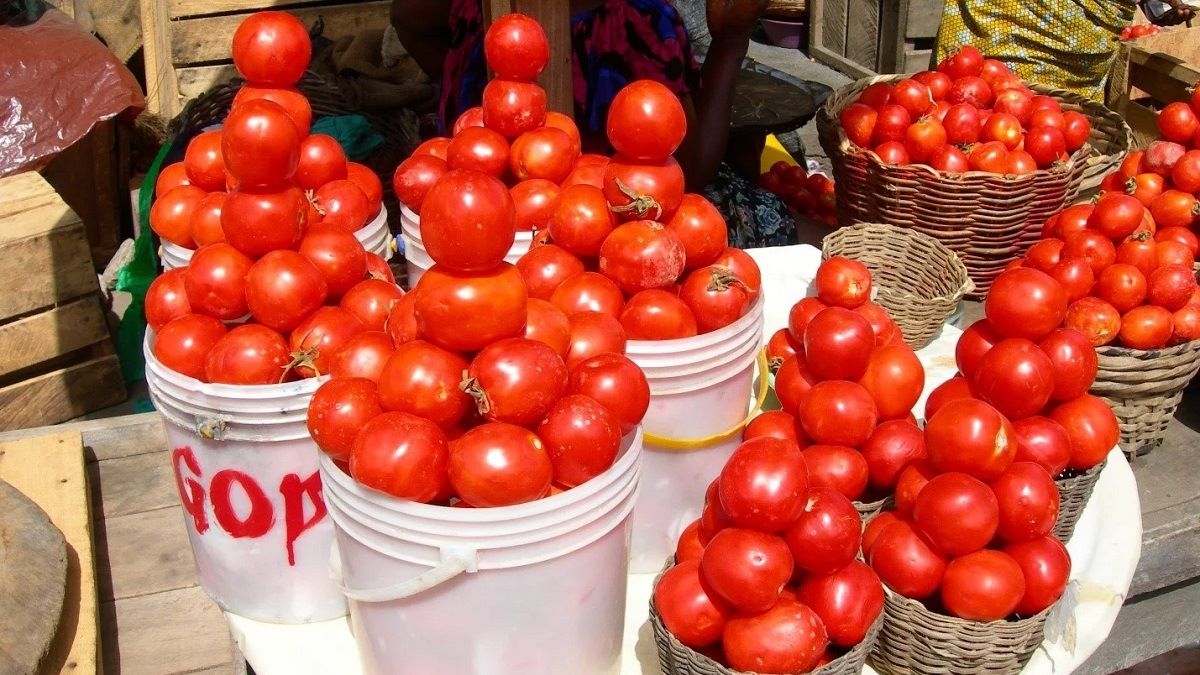
Channel checks conducted by MarketForces Africa showed that 50 kg of rice is selling for N82, 000 depending on the grade, while some local rice are selling near the amount. Pepper, Tomatoes and other spices have become scarce, so their prices are high.
Spending on food, logistics, and shelter have become priority of suits and ties-wearing Nigerian workforce. Market women also said they are not selling enough, and when the money looks big, they are unable to replace stocks/inventories as prices increase on a daily basis.
Analysts predicted that in 2024, real consumer spending would decline due to deteriorating macroeconomic indicators. In real term, this will impact economic growth negatively, Broadstreet analysts said.
Despite a double-digit unemployment rate, the Nigerian naira has slumped significantly amidst rising inflation rate. Nigeria’s government’s decision to unify multi-tier exchange rates has caused dislocation in the market.
After President Bola Tinubu announced subsidy removal, prices of goods and services have skyrocketed. In major cities, house rents have been adjusted as families’ battle fast-rising consumer inflation.
At the moment, social investment has been reduced under the current regime, though critics have maintained that past spending was diverted to private purses.
It was also alleged that the previous government focused on the North for its social intervention program without proper accountability for how the humongous amount was disbursed to the less privileged.
The battle to save the economy started with subsidy removal, and naira devaluation amidst high inflation.
The Federal Government reported that about 133 million Nigerians are multidimensionally poor. The Multidimensional Poverty Index offers a multivariate form of poverty assessment, identifying deprivations across health, education, living standards, work, and shocks, according to experts.
“These issues are still unresolved despite previous social intervention programmes- and then comes a reformist that forgets that about 50-75% of the populace are already in an economic mess”, LSintelligence Associates told MarketForces Africa.
After the pandemic outbreak, Nigerians have been facing economic-related pressures. High inflation and unemployment rates have raised the misery index in the last decade.
As though the pressure from joblessness garnished with high inflation is not enough, economic shocks from wobbling local currency and higher interest rates have worsened the outlook for the year.
Analysts said families would face higher market-related pressures as the government added diesel to the list of value-added tax-paying commodities, which is expected to worsen average production costs across the industry.
Already, the removal of fuel subsidies has shifted the nation’s costs of living upward, reducing the consumption economy.– most companies in the production sector are selling less at higher prices to remain in business, consultants at LSintelligence Associates said.
“It will get tough before it gets better,” a number of economists assure MarketForces Africa following double whamming of economic pressures that greeted fuel subsidy removal and the decision to float the naira”. President Bola Tinubu’s agenda to fix flagging economic growth and reform the exchange rate system has worsened households’ costs.
MarketForces Africa gathered that savings from petrol subsidy removal will be used to support government finances, with the possibility of cutting back on budget deficits, and borrowings. However, this appears to be a pipe dream as borrowings surge significantly in the last one year.
The naira has lost significant value in the past few years in a country where wage adjustment is often subjected to months of back-and-forth discussion. As a result of weak macroeconomic indicators and growth rate, Nigerian households in the lower group have been pressed to the wall. #Food Crisis: Naira Purchasing Power Sinks as Prices Skyrocket MTN Nigeria: Analysts Slash Price Expectation by 36%, Project Loss for 2024
