

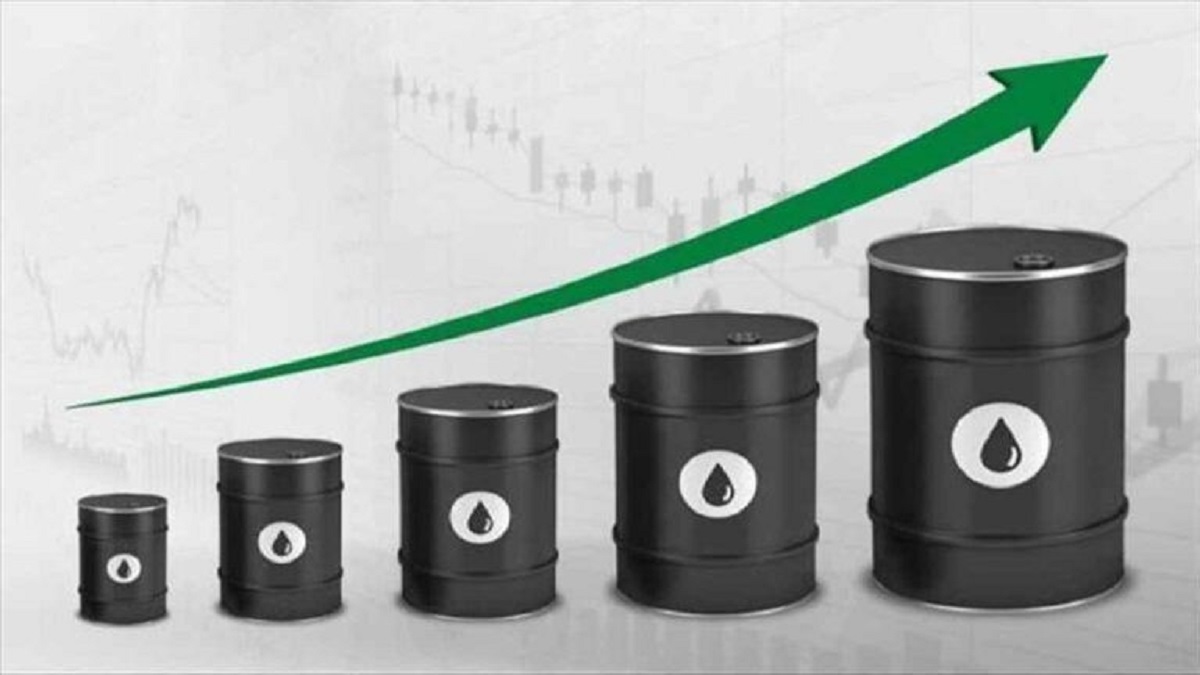
Brent Price Crosses $84 over Supply Concerns
Brent price crossed $84 per barrel on Wednesday as crude oil rallied amid growing expectations that the world’s largest oil producers will continue to cut supplies at a time when global demand is set to rise with increased travel during the summer.
Brent crude traded at $84.25 per barrel, representing an increase of 0.37% from the closing price of $83.94 per barrel in the previous trading session. The American benchmark West Texas Intermediate (WTI) traded at $80.20 per barrel at the same time, a 0.46% rise from the previous session that closed at $79.83 per barrel.
Oil prices strengthened yesterday, Brent rallied 1.35%, taking its price back above $84/bbl, to its highest level since 1 May. Tensions in the Middle East have grown in recent days with developments between Israel and Hamas, while the Houthis have carried out another attack on a commercial vessel in the Red Sea.
The market expects OPEC+ group, the Organization of the Petroleum Exporting Countries (OPEC), and allies to agree to continue voluntary crude oil supply cuts at the group’s next meeting on June 2.
The OPEC+ group had previously decided to cut production by 2.2 million barrels per day. Meanwhile, growing tensions in the Middle East, where major oil producers and trade routes are located, continue to support the upward trend in oil prices.
Despite international outcry, along with a plea from the International Court of Justice’s (ICJ) on May 24 to halt attacks on Rafah, Israel continues its attacks on the southern city of Rafah in the Gaza Strip, where over a million Palestinians had sought refuge from the war before it was invaded on May 6.
Israel bombed the tents of displaced Palestinians in Rafah on May 26, killing at least 45 Palestinians, including 23 women, children, and the elderly, and injuring 249.
Furthermore, Israel’s ongoing attacks are triggering concerns that Yemen’s Houthis will continue their attacks on commercial ships in the Red Sea, one of the world’s busiest maritime routes for oil and fuel shipments, in solidarity with Palestinians in Gaza. Backing the territorial integrity of Yemen, China’s top diplomat said on Tuesday that tensions in the Red Sea highlight “the broader impact of the Gaza conflict.”
Wang Yi emphasized that the “immediate priority” was a “swift” cease-fire in the Palestinian-besieged enclave of Gaza to “prevent a larger humanitarian disaster and to reduce the conflict’s regional impact.”
Conversely, expectations of later-than-expected interest rate cuts in the US echo sluggish demand, constraining price rises. High interest rates boost the value of the US dollar, making oil more expensive for holders of other currencies.
According to data released by the New York-based Conference Board on Tuesday, the consumer confidence index, a leading indicator of consumer spending and economic activity, exceeded expectations by increasing by 4.5 points month-on-month to 102 in May following three consecutive months of declines.
This raised fears that the US Federal Bank (Fed) may cut its policy rate later than expected. The probability of the Fed’s first rate cut in September fell to 44%, to 56% for November, and to 77% for December.
There could also be some positioning ahead of the OPEC+ meeting this weekend. Members are expected to fully rollover their additional voluntary cuts. High expectations of a full rollover mean that OPEC+ needs to ensure it does not disappoint the market, otherwise, it risks an aggressive pullback in prices. #Brent Price Crosses $84 over Supply Concerns GTCO’s Market Value Falls 31% Below 52-Week High
