
Close Menu
MarketForces AfricaMarketForces Africa
    What's Hot

    NGX to Introduce Volume-Based Price Rules in Major Market Reform

    June 19, 2026

    FX Spread Surges as Naira Depreciates Across FX Markets

    June 19, 2026

    U.S. Consumer Momentum Slows as Inflation Squeezes Incomes

    June 18, 2026
    Facebook X (Twitter) Instagram
    Trending
    • NGX to Introduce Volume-Based Price Rules in Major Market Reform
    • FX Spread Surges as Naira Depreciates Across FX Markets
    • U.S. Consumer Momentum Slows as Inflation Squeezes Incomes
    • Burundi Economy Improves, Inflation Sinks to 8.6% from 45% – IMF
    • United Nations Urges Africa to Boost Domestic Funding
    • US Dollar Hits 1-Year High on US Fed Hawkish Rates Bets
    • Nigerian Exchange Sheds N2.18trn as Dangote Companies Dip
    • XRP Price Dips 6.2% on U.S. Federal Reserve Rates Hike Bets
    • Home
    • About Us
    Facebook X (Twitter) Instagram LinkedIn WhatsApp TikTok Telegram
    MarketForces AfricaMarketForces Africa
    Subscribe
    Friday, June 19
    • Home
    • News
    • Analysis
    • Economy
    • Mobile Banking
    • Entrepreneurship
    MarketForces AfricaMarketForces Africa
    MarketForces Africa » MarketForces News » African Economies to Grow at 3.4% in 2024- World Bank

    African Economies to Grow at 3.4% in 2024- World Bank

    Marketforces AfricaBy Marketforces AfricaApril 9, 2024 News No Comments3 Mins Read
    African Economies to Grow at 3.4% in 2024- World Bank
    Share
    Facebook Twitter LinkedIn Pinterest Email Tumblr Reddit Telegram WhatsApp Copy Link

    African Economies to Grow at 3.4% in 2024- World Bank

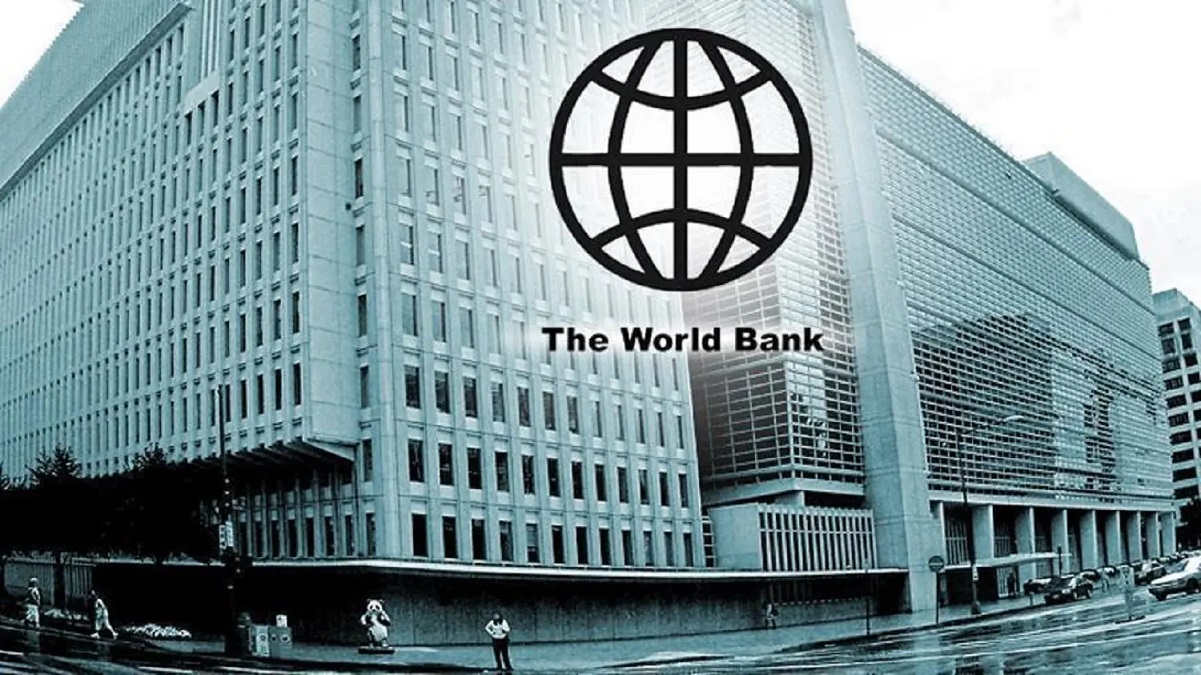
    The World Bank has projected that growth will rebound in African economies from 2.6 per cent in 2023 to 3.4 per cent in 2024 and 3.8 per cent in 2025.

    This is contained in a statement issued by the World Bank on its latest Africa’s Pulse Report released on Tuesday.

    The report said increased private consumption and declining inflation were supporting an economic rebound in Sub-Saharan Africa.

    It, however, said the recovery remained fragile due to uncertain global economic conditions, growing debt service obligations, frequent natural disasters, and escalating conflict and violence.

    “However, this recovery remains tenuous. While inflation is cooling across most economies, falling from a median of 7.1 to 5.1 per cent in 2024, it remains high compared to pre-COVID-19 pandemic levels.

    “Additionally, while growth of public debt is slowing, more than half of African governments grapple with external liquidity problems and face unsustainable debt burdens.

    “Overall, the report underscores that despite the projected boost in growth, the pace of economic expansion in the region remains below the growth rate of the previous decade (2000-2014).

    “This is insufficient to have a significant effect on poverty reduction.

    “Moreover, due to multiple factors including structural inequality, economic growth reduces poverty in Sub-Saharan Africa less than in other regions.”

    The report said transformative policies were needed to address deep-rooted inequality to sustain long-term growth and effectively reduce poverty.

    The statement quoted Andrew Dabalen, World Bank Chief Economist for Africa as saying:

    “Per capita Gross Domestic Product (GDP) growth of one per cent is associated with a reduction in the extreme poverty rate of only about one per cent in the region, compared to 2.5 per cent on average in the rest of the world.

    “In a context of constrained government budgets, faster poverty reduction will not be achieved through fiscal policy alone.

    “It needs to be supported by policies that expand the productive capacity of the private sector to create more and better jobs for all segments of society.” Naira Slides as Nigerians Import Appetite Rises

    The report highlighted that external resources to meet the gross financing needs of African governments were shrinking and those available were costlier than they were before the pandemic.

    “Political instability and geopolitical tensions weigh on economic activity and may constrain access to food for an estimated 105 million people at risk of food insecurity due to conflict and climate shocks.

    “African governments’ fiscal positions remain vulnerable to global economic disruptions, necessitating policy actions to build buffers to prevent or cope with future shocks.

    “What’s more, inequality in Sub-Saharan Africa remains one of the highest in the world, second only to the Latin America and Caribbean region, as measured by the region’s average Gini coefficient.

    It stated that access to basic services, such as schooling or healthcare, remained highly unequal despite recent improvements.

    “Disparities also exist in access to markets and income-generating activities, irrespective of people’s skills. Taxes and poorly targeted subsidies may also have an outsized impact on the poor.”

    The report called for several policy actions to foster stronger and more equitable growth.

    “These include restoring macro-economic stability, promoting inter-generational mobility, supporting market access, and ensuring that fiscal policies do not overburden the poor.

    Investors Nigeria
    Share. Facebook Twitter Pinterest LinkedIn Tumblr Email
    Marketforces Africa
    • Website
    • Facebook
    • X (Twitter)
    • Instagram
    • LinkedIn

    MarketForces Africa, a Financial News Media Platform for Strategic Opinions about Economic Policies, Strategy & Corporate Analysis from today's Leading Professionals, Equity Analysts, Research Experts, Industrialists and, Entrepreneurs on the Risk and Opportunities Surrounding Industry Shaping Businesses and Ideas.

    Keep Reading

    NGX to Introduce Volume-Based Price Rules in Major Market Reform

    FX Spread Surges as Naira Depreciates Across FX Markets

    U.S. Consumer Momentum Slows as Inflation Squeezes Incomes

    Burundi Economy Improves, Inflation Sinks to 8.6% from 45% – IMF

    United Nations Urges Africa to Boost Domestic Funding

    US Dollar Hits 1-Year High on US Fed Hawkish Rates Bets

    Add A Comment

    Comments are closed.

    Editors Picks

    NGX to Introduce Volume-Based Price Rules in Major Market Reform

    June 19, 2026

    FX Spread Surges as Naira Depreciates Across FX Markets

    June 19, 2026

    U.S. Consumer Momentum Slows as Inflation Squeezes Incomes

    June 18, 2026

    Burundi Economy Improves, Inflation Sinks to 8.6% from 45% – IMF

    June 18, 2026

    United Nations Urges Africa to Boost Domestic Funding

    June 18, 2026
    Latest Posts

    NGX to Introduce Volume-Based Price Rules in Major Market Reform

    June 19, 2026

    FX Spread Surges as Naira Depreciates Across FX Markets

    June 19, 2026

    U.S. Consumer Momentum Slows as Inflation Squeezes Incomes

    June 18, 2026

    Burundi Economy Improves, Inflation Sinks to 8.6% from 45% – IMF

    June 18, 2026

    United Nations Urges Africa to Boost Domestic Funding

    June 18, 2026

    Subscribe to News

    Get the latest sports news from Dmarketforces Africa about finance, business and tech.

    Advertisement
    Facebook X (Twitter) Pinterest Vimeo WhatsApp TikTok Instagram

    News

    • World
    • Politics
    • Economy
    • Business
    • Opinions
    • Fintech
    • Science & Technology

    Company

    • About us
    • Advertising
    • Classified Ads
    • Contact Info
    • Editorial Policy

    Services

    • Subscriptions
    • Research
    • Due Diligence
    • Newsletters
    • Sponsored News
    • Work With Us

    Subscribe to Updates

    Subscribe to updates from MarketForces Africa, an independent financial news service provider.

    © 2026 MarketForces Africa. All rights reserved.
    • Privacy Policy
    • Terms
    • Accessibility

    Type above and press Enter to search. Press Esc to cancel.