

Weaker Naira or Higher Interest Rate Requires to Attract Dollar –Analysts
The Central Bank of Nigeria (CBN) needs either a weaker naira or a higher interest rate in order to attract foreign investment into the country amidst a foreign currencies shortage in the local economy.
Unfortunately, the apex is fighting a subtle currency war despite weak accretion into the nation’s external reserves as Nigeria fails to reap the benefits of the current oil windfall.
Federal Government has during the week said the reason why the nation hasn’t benefited enough from increasing global prices of oil is due to low investment in oil assets, seven years after a change of administration.
Since September 2020 the monetary authority has kept the benchmark interest rate at 11.50% and parameters around the policy rate have remained constant.
While a low interest rate is taunted, productive capability has remained flattish as the unemployment rate steadies at 33.3% and some bellwether companies’ profit margins thicken – especially the cement oligarchs’ family.
In the financial markets, low-interest rate environment has dragged real return on investment lower as the inflation rate skyrocketed. Investment firms have been advising clients to dollarise the books to avoid value loss due to devaluation.
Foreign investors’ participation in the local economy remains weak due to low interest and unstable foreign exchange and the inability to repatriate funds. FX backlogs still remain heavy and banks are again cutting online spending – which further signals scarcity of foreign currencies in Nigeria. READ: CBN Requires 6.24% of External Reserves to Offset FPIs -CSL
For the fixed income market, analysts maintained that strong liquidity levels will continue to drive subscription in the primary market auction, given government agencies the opportunity to price down spot rates.
As a result of pressures following increased headline inflation rate with no hope in sight for moderation, some fixed income traders posited that the combined effects of relatively healthy liquidity and auction results will drive market activities.
This is expected to continue into the second quarter of 2022 amidst the expectation of new fixed interest rates instruments issuance – with the possibility of an upward repricing. Though repricing projections have rather failed surprisingly in the first quarter.
Some investment analysts had said the expectation of higher government borrowings to finance budget deficit would trigger rates repricing. But both the Central Bank of Nigeria and Debt Management Office auctions rates were priced down for the first three months of 2022.
In agreement, Vetiva Capital Management said in a breakfast note that the firm also expects liquidity and primary market auctions result to dictate market activity.
At the recently concluded Monetary Policy Committee (MPC) meeting, members voted to keep all parameters constant. Federal Reserve raised the interest rate in the United States and European Central Bank maintained a hawkish mood.
Following a flurry of sanctions, Russia increased its benchmark rate while the Bank of England also hike its interest rate.
Ghana upscale its benchmark interest and many frontier markets central bankers moved to combat high inflation with interest rates hike – Still, Nigeria maintained a solo agenda while keeping its eyes on economic growth.
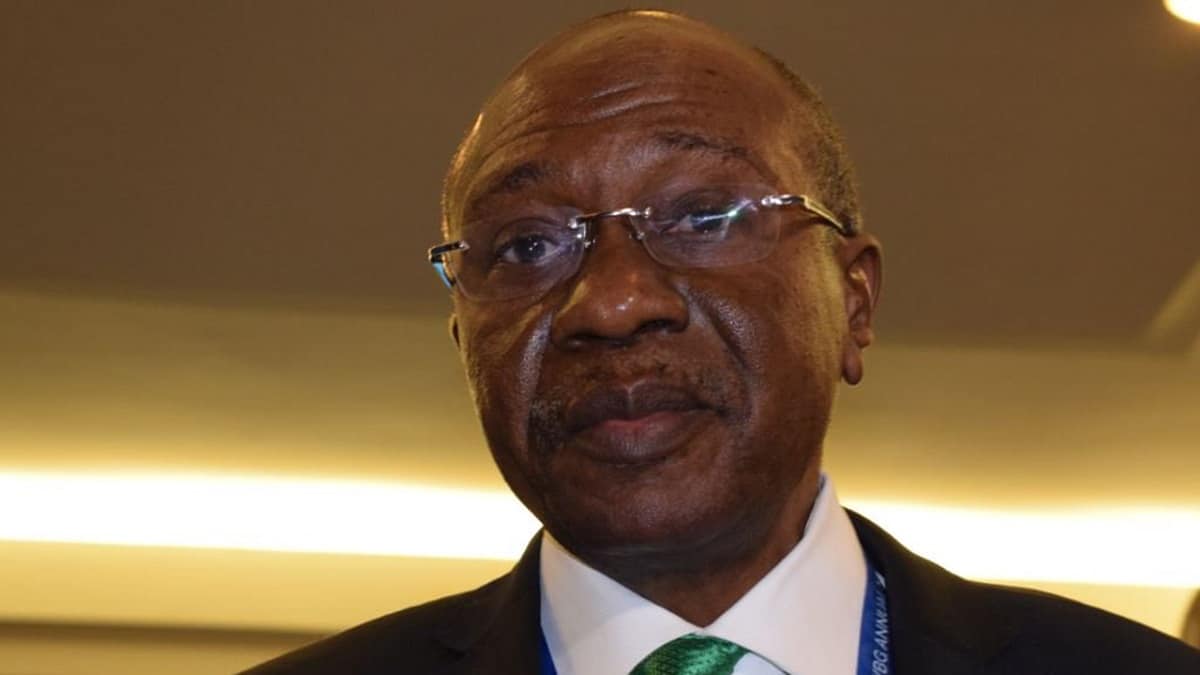
Headline consumer price index that measures Nigeria’s inflation condition at 15.70% in February is miles away from the CBN single inflation target band of 6-9% but Godwin Emefiele, the apex bank Governor has remained unfazed in an attempt to support weak fiscal policy.
Vetiva Capital said, Unlike Ghana and Egypt which raised their policy rate to combat inflation and defuse currency pressures, six members of the ten-man committee upheld the status quo.
The apex bank restated its pro-growth view, as it expects the Nigerian economy to expand by 3.24% year on year in 2022, far ahead of Vetiva’s 2.8% projection.
The Committee also expects its development finance activities to subdue inflation over time, it had maintained that headline inflation pressures were driven by supply chain disruption that followed the COVID-19 outbreak.
Vetiva said, the big question remains if the CBN can remain neutral during a time of monetary policy normalization.
“In light of the monetary policy trilemma, a weaker exchange rate or a higher interest rate may be required to boost capital inflows, especially at a time of increased geopolitical tensions”.
Following the aggressive sell-side action that dominated the bonds space last week, we expect this week to start on a more positive note, amid pockets of buy-side action across the bonds space, the firm said.
In the Nigerian Treasury Bills and Open Market Operations (OMO) markets, analysts specifically posited that they expect liquidity and the latest PMA results to continue to dictate market activity. #Weaker Naira or Higher Interest Rate Requires to Attract Dollar –Analysts
