

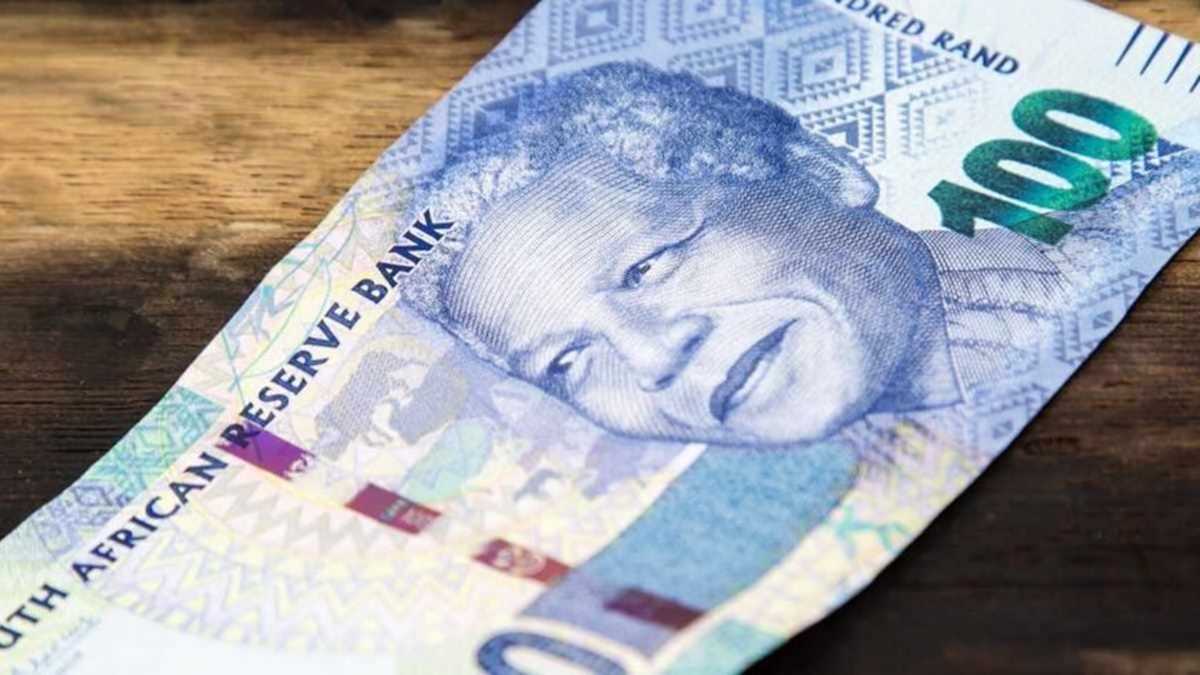
South African Rand Weakens to 2026 Low at R17.54/$
The South African rand (ZAR) weakened to its worst level in 2026 on Friday and remains under pressure from a stronger dollar, softer precious-metal prices, and domestic political uncertainty.
The local unit has been declining against Western currencies, including the dollar, the euro, and the British pound, amid surging headline inflation, economic uncertainty, and the decision to keep the policy rate unchanged.
The currency faces domestic economic and political uncertainty, including the U.S. decision to remove the country from the African Growth and Opportunity Act (AGOA).
U.S. President Donald Trump notified Congress of his intention to remove South Africa and Rwanda from a preferential trade programme effective 1 January 2027.
The U.S. trade program, enacted in May 2000, gives eligible sub-Saharan African countries duty-free access to the U.S. market for thousands of products.
A strong U.S. dollar is putting African currencies in a tight spot amid elevated oil prices in global commodity markets and moderating yellow metal prices.
To keep the economy on a growth trajectory, the South African Reserve Bank (SARB) kept monetary policy unchanged despite pressure from consumer inflation.
In the forex market, local investors digested the SARB’s decision to keep rates, with a narrow 4-3 vote, amid persistent inflation risks, keeping the possibility of further tightening next year firmly in focus, First National Bank (FNB) said in a brief.
At its 2026 low, the South African rand traded at R17.54 per US dollar, R22.99 per British pound and R19.23 per euro, according to a brief FNB released on Friday.
Brent edged up to $92.70 per barrel this morning but remained on track for a third weekly decline as recovering Middle East output and forecasts of a global supply surplus outweighed Iran-related geopolitical risk.
Record Strait of Hormuz flows and plans to increase refined-product supply reinforced concerns about an increasingly well-supplied oil market.
Gold fell to $3,543.69 per ounce, pressured by a stronger dollar and expectations of more aggressive Fed tightening. Higher rate expectations reduced the bullion’s appeal, while an AI-driven global equity selloff appeared to trigger additional gold liquidation as investors raised cash to cover losses. Nigerian Treasury Bills Yields Ease as Investor Demand Strengthens
