

African Currencies Mixed as US Dollar Surge Hits Rand, Naira
African currencies came under pressure on Thursday, with mixed performance as the US dollar maintained its recent strength amidst fluctuating global oil prices.
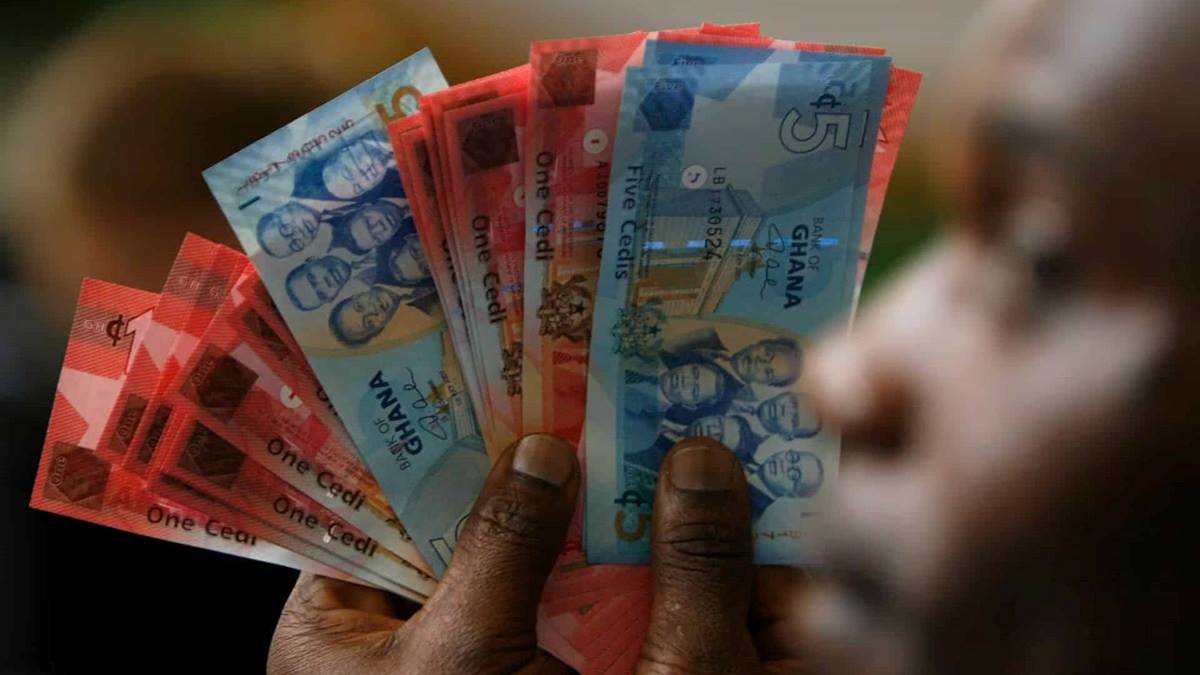
Top African currencies continued to weaken against the US dollar, with the naira, South African rand, and Ghana cedi among others feeling the heat from record-high FX outflows.
Brent crude oil traded near $93 a barrel on Thursday, down roughly 15% in a month and about 28% from its late-October peak, splitting African currencies between oil importers and exporters, even as a 19-month-high dollar overshadowed the oil moves.
Data showed that Brent rose 0.8% to $92.69 on Thursday, a day after it fell below $91 to its lowest level since Aug. 31, as US crude inventories rose by 3.38 million barrels to 417.8 million.
It stood at $128.30 on Oct. 23. The dollar index hit 103.66 on Nov. 17, its highest since April 2025, on bets for a Federal Reserve hike next month.
Ghana’s cedi depreciated approximately 0.17%, with the West African Monetary Agency’s reference rate moving to GH₵11.75 per dollar from GH₵11.73.
In Senegal, the West African CFA franc slipped about 0.23% as the dollar rose to CFA596.9204 from CFA595.5654. Cameroon’s separate Central African CFA franc was quoted at an indicative CFA598.523 per dollar.
Egypt’s pound edged lower as dollar quotations ticked up at local banks. National Bank of Egypt and Banque Misr posted dollar buying and selling rates of E£53.77 and E£53.87, respectively.
Trading data showed that Egypt’s pound has recovered about 4.4% from its record low. The dollar peaked at EGP 56.18 on Oct. 26 and traded at EGP 53.62 to buy and EGP 53.75 to sell at the Central Bank of Egypt (CBE) on Nov. 16.
The pound remains about 13% weaker than before the war began in late February (EGP 47.72). Algeria’s official opening quotation was DA136.8933 per dollar buying and DA136.9083 selling. These official-market rates are distinct from informal cash-market quotations.
With inflation surge hanging on its neck, South Africa’s rand did not benefit from the oil price slowdown, breaching R17 per dollar for the first time since March and trading near R17.25 ahead of the Reserve Bank’s decision.
The bank held its repo rate at 7.25%, with four members voting to hold and three for a 25-basis-point hike, after October inflation rose to 5.2% from 4.5%.
Governor Lesetja Kganyago said over a third of inflation comes from transport and that higher refinery margins and shipping rates are pressuring fuel costs. He warned the bank “will not hesitate” to raise rates.
Ethiopia’s birr was weaker at 161.19 per dollar in the National Bank’s weighted average on Nov. 13, even as oil fell. The Kenyan shilling was flat at KSh129.96.
Exporters: Nigeria loses a cushion
The naira fell to N1376 on Thursday, its weakest level in four months. Nigeria’s naira closed at ₦1,357.19 on Nov. 16, about 0.8% weaker than ₦1,346.26 on Oct. 30.
Parallel market quotes rose to ₦1,435 to ₦1,445, about 4% in a week. Analysts at Cowry Asset Management expect near-term stability but warn that weaker oil and dollar supply will shape the naira’s next move.
Kenya’s shilling was little changed at KSh129.99 per dollar, compared with KSh129.98 on Tuesday. The marginal move, equivalent to a depreciation of less than 0.01%, left the currency effectively flat.
Tanzania’s central-bank reference rate stood at TSh2,652.97 per dollar. In Uganda, the reported central-bank midpoint was USh4,154.62, with the dollar quoted at USh4,149.62 buying and USh4,159.62 selling.
Rwanda’s indicative mid-market rate was approximately RWF1,477 per dollar, while Ethiopia’s reported market quotation was around Br163.40.
Ethiopian bank rates varied, so distinguishing indicative market levels from executable customer prices was particularly important.
Botswana’s pula stood at approximately P13.9894 per dollar in a 07:46 UTC quotation. Zambia’s kwacha was reported at K20.5398, while Angola’s indicative rate was around Kz913 per dollar.
Mozambique’s central bank published an average reference rate of MT63.91 per dollar, alongside buying and selling quotations of MT63.27 and MT64.54.
Malawi’s official middle rate was MK1,734.01 per dollar, between buying and selling rates of MK1,717.02 and MK1,751.00. These bid-offer differences represent quotation spreads, not daily currency swings. Mauritius’s indicative dollar rate was approximately Rs47.86.
Oil Prices Surge as US Strikes Iran’s Island, Brent Tops $106
