

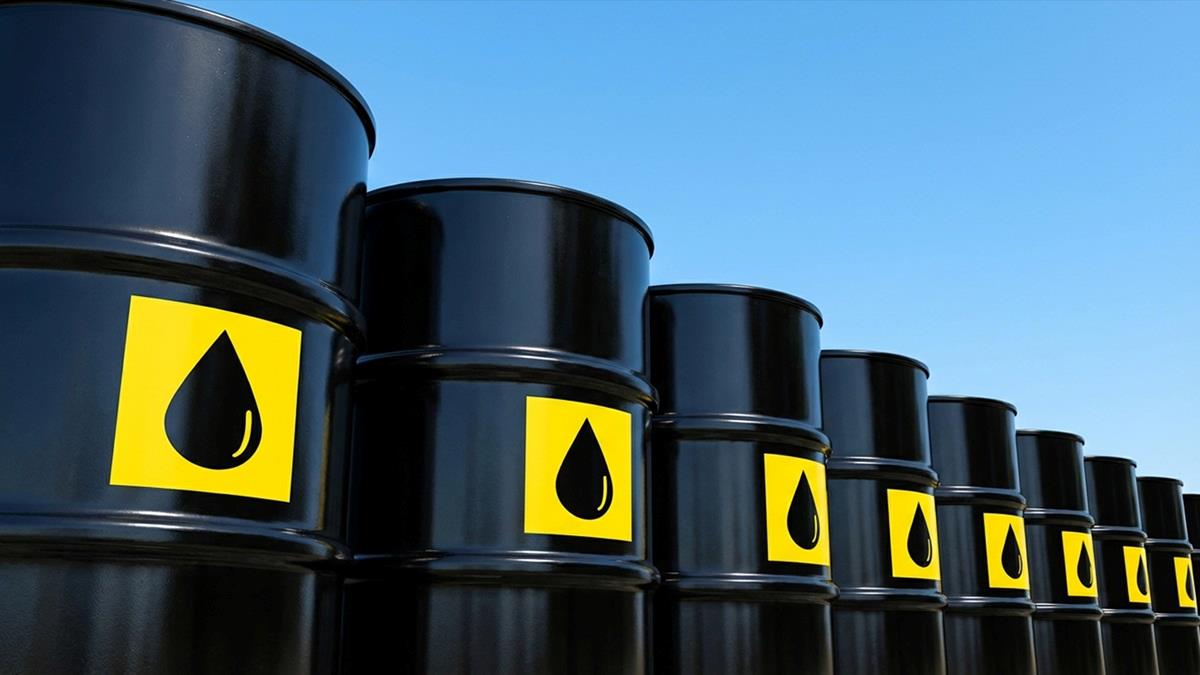
Oil Prices Decline over Shift in Global Demand, Supply Narrative
Oil prices declined on Tuesday as rising crude exports from the Middle East and expectations of a global supply surplus weighed on the market.
The narrative is changing from predominantly supply risk since February, when the US-Israel-Iran war commenced, resulting in a Strait of Hormuz blockade.
Top countries released oil from their strategic reserves, and the US brought Russian exports into the fold, reducing initial risk when sanctions restricted Moscow’s oil sales.
International benchmark Brent crude futures for January delivery fell about 0.54% to $91.95 a barrel, down from the previous close of $92.44.
US benchmark West Texas Intermediate (WTI) crude futures for December delivery declined 0.77% to $83.82 a barrel, down from $84.47 at the previous close.
According to the International Energy Agency’s (IEA) Oil Market Report published Friday, global oil supply rose 2.3 million barrels per day in October from the previous month to 105.36 million barrels per day, driven by higher exports from Gulf countries.
The IEA expects global oil supply to rise by 920,000 barrels per day this year to 101.6 million barrels per day, as Gulf production is projected to remain largely stable through year-end.
The agency raised its forecast for total OPEC+ oil supply by an average of 3.2 million barrels per day for the fourth quarter of 2026, while warning that downside risks to the outlook persist.
It emphasised that the security of maritime transport routes and energy infrastructure remains critical to ensuring a sustained recovery in supply.
Market analysts said investors were increasingly pricing in expectations that supply would catch up with demand and potentially exceed it, adding that shifts in the supply-demand balance were putting downward pressure on oil prices.
Meanwhile, OPEC said in a statement posted on the US-based social media platform X that its Secretariat held a videoconference meeting on Monday to assess the maximum sustainable oil production capacities of member countries and countries participating in the Declaration of Cooperation (DoC).
The meeting, chaired by OPEC Secretary General Haitham Al-Ghais, marked the first time the assessment process used an independent, objective methodology.
Al-Ghais described the initiative as a historic milestone within the OPEC+ framework. The assessment matters because it will help determine production quotas for OPEC+ countries in 2027 and beyond.
The strengthening US dollar was another factor weighing on oil prices. Expectations that the US Federal Reserve (Fed) will raise interest rates in December have supported the dollar, putting additional downward pressure on crude oil and other commodity prices. FCCPC to Monitor Petrol Pump Price as Oil Dips Below $90
