

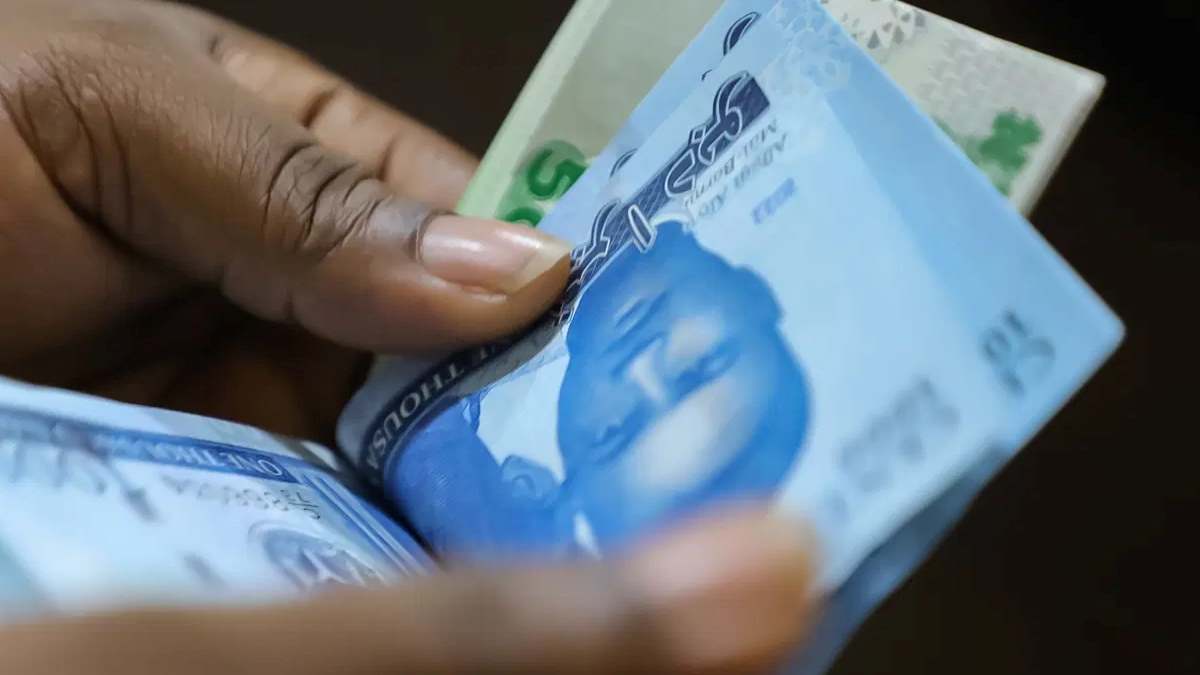
Daily FX Update: Naira Rebounds as Interbank Turnover Rises
DAILY FX UPDATE: The naira rebounded, posting a soft gain against the U.S. dollar at the Nigerian foreign exchange market (NFEM), with data showing increased activity at the interbank FX window.
The exchange rate closed slightly below the opening spot rate at the NFEM window, settling at N1,333.6467 per US dollar, down from N1,333.7200 at the open, according to data released by the Central Bank of Nigeria (CBN).
Transactions were consummated between N1,331.8000 and N1,333.5000 per US dollar during the day, suggesting liquidity stress that additional inflows later offset.
Foreign portfolio investors remain bullish, while rising market confidence reduces FX overload, or frontloading by market players with FX liabilities. Market makers drove interbank activity, increasing the deal count and boosting turnover.
NFEM interbank FX window edged higher to $60.715 million, up by about 50% from $40.597 million posted the previous day. The number of deals at the interbank window rose to 70 from 589.
The local unit rose 0.36% against the British pound to ₦1,784.69, and the euro fell 0.01% to ₦1,497.29. In the parallel market, the dollar was unchanged at ₦1,370.00, while the pound fell 0.28% to ₦1,805.00 and the euro fell 0.66% to ₦1,495.00.
Expect the Naira to stay stable at the official window, with the parallel gap staying below 3%. Oil above US$100 should keep dollar supply steady and support the local currency.
Yesterday, Gold fell 0.26% to US$4,154.92/oz. Higher oil raised inflation worries, and US Treasury yields stayed high, with the 10-year near 5.1%.
That makes gold less attractive, and investors are also waiting for the US Federal Reserve meeting on 27-28 October. Year to date, gold is down 4.64%. Brent crude rose 0.48% to US$108.65 per barrel after a volatile day.
It passed US$110 early on Houthi attacks on Saudi oil sites and more ship attacks near the Strait of Hormuz, then fell about 3% on reports of a Qatar- and Pakistan-backed plan to restart US-Iran talks.
The US-Israel war on Iran, now in its eighth month, has kept oil supply tight, and Hormuz ship attacks in October are the highest since the war began. Year to date, oil is up 78.55% Fitch Revises Lagos State’s Outlook to Positive
