

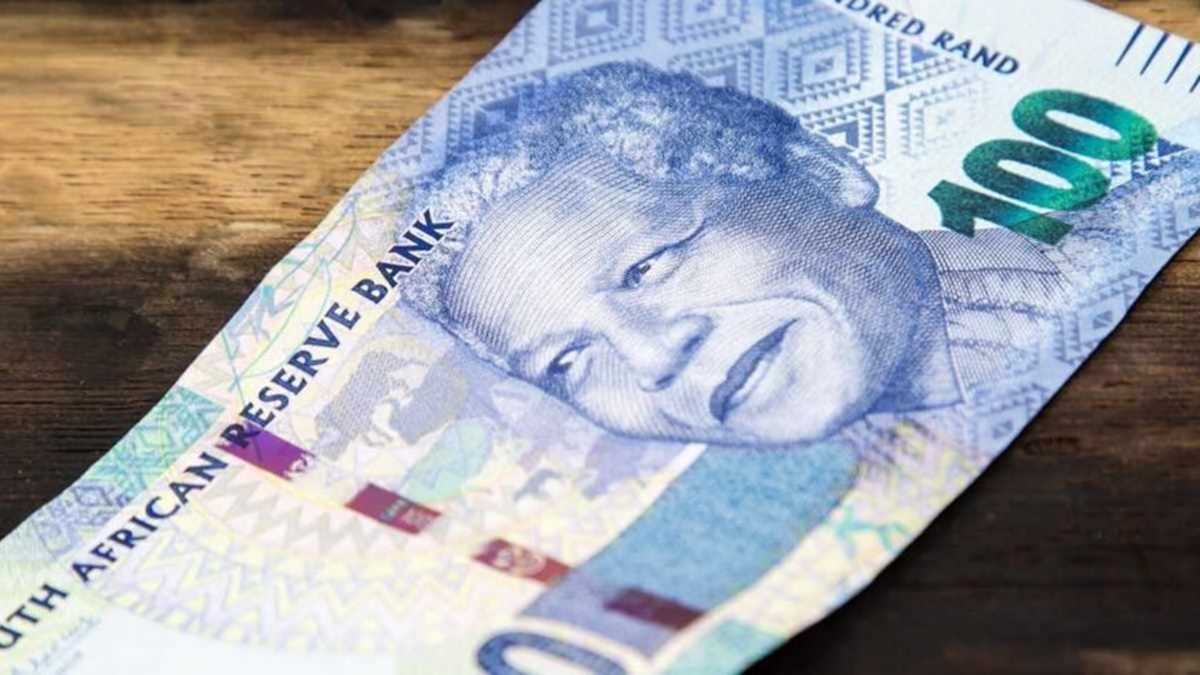
South African Rand Strengthens on Lower Oil Prices
The South African rand strengthened to R16 per US dollar, trading near its strongest level since the war in Iran began in late February 2026.
The monetary authority has put on inflation-fighting to anchor the consumer price index, which accelerated since the Middle East conflict six months ago.
A softer US dollar, elevated precious-metal prices and stronger appetite for emerging-market assets supported the currency, while lower oil prices and fading concerns over expanded US sanctions on Iran also helped.
At $90 per barrel for Brent, oil prices eased as investors assessed the impact of expanded US sanctions on Iran, including retaliatory tariffs from Canada.
Market attention remains on Iran’s threats of retaliation and the implications for shipping through the Strait of Hormuz.
The rand continues to benefit from the South African Reserve Bank’s (SARB) relatively restrictive monetary policy stance, confidence in structural reforms, and an improving fiscal outlook.
The monetary authority kept its policy rate at 7% in July after inflation rose to 5% in June. Inflation subsequently eased to 4.3% in July, helped by lower food and fuel prices, but remained above the 3% target and 4% upper tolerance limit.
At $4,627, Gold prices remain elevated this morning after reaching a three-month high, supported by concerns around the US fiscal outlook, a weaker dollar and ongoing trade and geopolitical tensions.
Bullion prices and digital assets have surged in tandem overnight, highlighting growing investor demand for “hard” assets amid mounting concerns around United States (US) fiscal policy and currency debasement.
Gold flirted with the $4 700 per ounce (oz.) level before easing back towards $4 627/oz. The move followed US Treasury Secretary Scott Bessent’s surprise decision to significantly expand the government’s long-dated bond buyback programme. PMS Supply, Consumption Dip in July – NMDPRA
