

Digital Payments Vital to Financial Inclusion, Economic Growth – CBN
The Central Bank of Nigeria (CBN) has reiterated its commitment to promoting digital payment channels as tools for deepening financial inclusion, stimulating economic growth and accelerating national development.
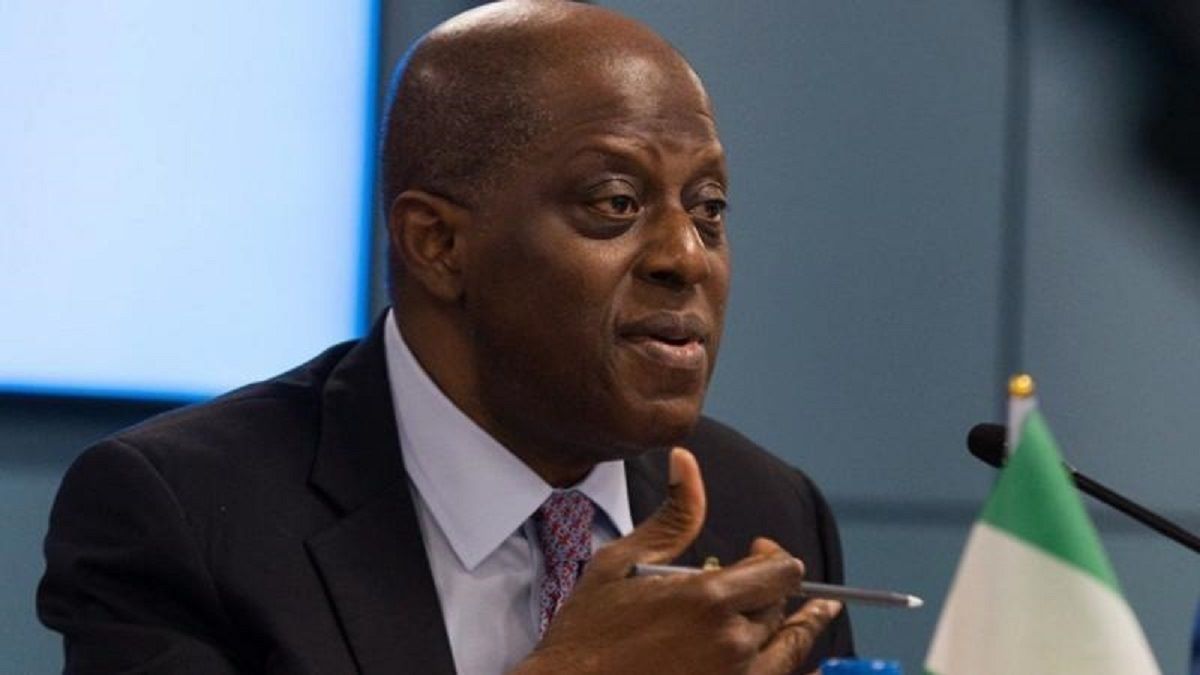
Mr Olayemi Cardoso, the CBN Governor, stated this on Tuesday in Lafia at the CBN Fair organised for stakeholders in Nasarawa State.
Cardoso was represented at the event by Mrs Hakama Sidi-Ali, Acting Director, Corporate Communications and Investor Relations Department of the bank.
The theme of the fair was: “Driving Alternative Payment Channels as Tools for Financial Inclusion, Growth and Accelerated Economic Development.”
According to him, alternative payment channels play an important role in supporting monetary, price, and financial system stability, which are central to the mandate of the CBN.
Cardoso noted that the fair was one of the bank’s platforms for engaging the public on its policies and initiatives aimed at promoting sustainable economic growth and development.
He said the initiative also provided an opportunity for the bank to obtain practical feedback from stakeholders on ways to improve the lives and livelihoods of Nigerians.
The CBN governor said the bank remained committed to maintaining monetary and price stability and performing its statutory responsibilities under the CBN Act, 2007, as amended.
He also said that the reforms undertaken by the bank were already yielding positive results, including a moderation in inflation, growth in foreign reserves and improved stability in the foreign exchange market.
“The latest data from the National Bureau of Statistics indicate that headline inflation fell slightly from 15.91 per cent in June to 15.43 per cent in July 2026.
“Core and food inflation also eased over the same period, reflecting the effects of disciplined monetary tightening, exchange-rate unification, and improved market transparency.
“The Naira continues to strengthen, with the spread between official and Bureau de Change rates now narrowing to below two per cent. Nigeria’s foreign reserves remain above US$52.5 billion as of July 17, 2026, marking a 17-year high and surpassing the CBN’s yearly target.
“This is supported by sustained inflows and renewed investor confidence and participation across asset classes in Nigeria,” he said.
He listed some of the reforms undertaken by the CBN over the past 34 months to include the unification and increased transparency of the foreign exchange market and the successful recapitalisation of the banking sector.
Others, he said, included the launch of the non-resident Bank Verification Number (BVN), the B-Match system for foreign exchange trading and the unveiling of the Nigeria Payments System Vision 2028 (PSV 2028).
He also cited the introduction of a 75 per cent Cash Reserve Ratio on non-Treasury Single Account public sector deposits to enhance liquidity management and curb inflationary risks.
Cardoso said the CBN, in collaboration with the Financial Markets Dealers Association, also introduced the Nigerian Overnight Financing Rate (NOFR), a market-based benchmark for short-term funding transactions.
He urged Nigerians to respect the naira, stressing that spraying, hawking, mutilating and counterfeiting the currency were prohibited.
Earlier, Mrs Njideka Nwabukwu, Branch Controller, CBN Lafia, said the fair provided a platform for the bank to engage directly with its customers and stakeholders in Nasarawa.
Nwabukwu said the CBN had recorded significant progress in deepening financial inclusion through agent banking, Point-of-Sale (POS) terminals, mobile money, QR payments, internet banking and instant payment platforms.
Nwabukwu said the launch of Payments System Vision (PSV) 2028 in June 2026 further demonstrated the bank’s commitment to building a secure, innovative, interoperable and inclusive payments ecosystem.
She, however, said that more efforts were required to expand digital payment infrastructure in rural and underserved communities, improve financial and digital literacy, strengthen cybersecurity and consumer protection, and encourage greater adoption of digital payments by small businesses and other vulnerable groups.
According to her, achieving the PSV 2028 target of 95 per cent financial inclusion will require collective efforts by financial institutions, payment service providers, businesses, government agencies and members of the public.
Nwabukwu urged entrepreneurs and traders to embrace digital payment solutions, while encouraging youths to use technology responsibly to create value and economic opportunities.
Some of the participants, Sani Abubakar and Joy Ogwu, lauded the CBN for the event, saying it had broadened their knowledge on the importance of financial inclusion and how it would help the bank through its monetary policy to control inflation in the country. The fair featured presentations on the activities of the various departments of the bank. #Digital Payments Vital to Financial Inclusion, Economic Growth – CBN# CBN Allots N2.6trn as OMO Bills Subscription Tops N4.6trn
