
Close Menu
MarketForces AfricaMarketForces Africa
    What's Hot

    XRP Is Up as Ripple XRPL Plans Confidential Transfer Upgrade

    August 8, 2026

    Market Wrap: Oil Prices Reduce 9% on US-Iran Peace Optimism

    August 8, 2026

    Tier-1 Banks Stocks Drive Momentum in Nigerian Exchange

    August 8, 2026
    Facebook X (Twitter) Instagram
    Trending
    • XRP Is Up as Ripple XRPL Plans Confidential Transfer Upgrade
    • Market Wrap: Oil Prices Reduce 9% on US-Iran Peace Optimism
    • Tier-1 Banks Stocks Drive Momentum in Nigerian Exchange
    • Dubai Rises to Second Place in Intelligence Cities Index
    • PTDF Unveils Plans to Support Tinubu’s $1trn Economy Agenda
    • Nigeria Moving From Counting Megawatts to Powering More Communities – Tegbe
    • Cardano Momentum Eases on Technical Pullback, Hovers at $0.20
    • FCTA Reaffirms Commitment to Supporting Female Entrepreneurs to Thrive
    • Home
    • About Us
    Facebook X (Twitter) Instagram LinkedIn WhatsApp TikTok Telegram
    MarketForces AfricaMarketForces Africa
    Subscribe
    Saturday, August 8
    • Home
    • News
    • Analysis
    • Economy
    • Mobile Banking
    • Entrepreneurship
    MarketForces AfricaMarketForces Africa
    MarketForces Africa » MarketForces News » Market Wrap: Oil Prices Reduce 9% on US-Iran Peace Optimism

    Market Wrap: Oil Prices Reduce 9% on US-Iran Peace Optimism

    Ogochukwu NdubuisiBy Ogochukwu NdubuisiAugust 8, 2026 News No Comments4 Mins Read
    Market Wrap Oil Prices Reduce 9% on US-Iran Peace Optimism
    Share
    Facebook Twitter LinkedIn Pinterest Email Tumblr Reddit Telegram WhatsApp Copy Link

    Market Wrap: Oil Prices Reduce 9% on US-Iran Peace Optimism

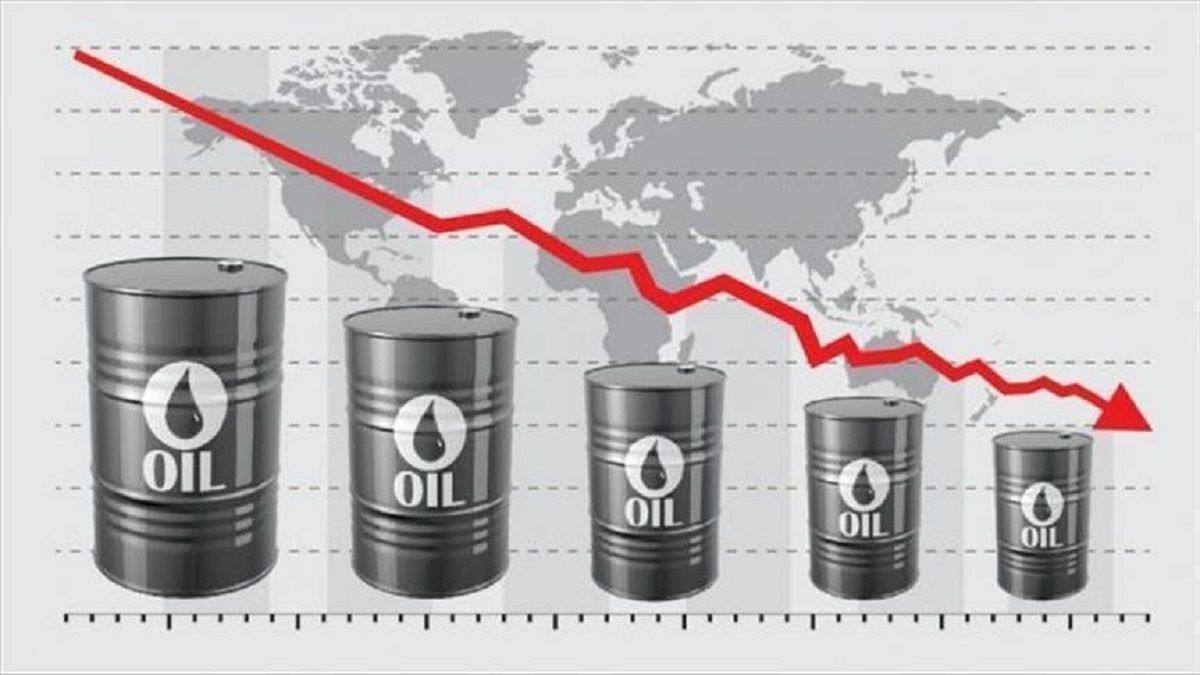
    Oil prices declined over 9% this week as easing geopolitical tensions between the US and Iran reduced concerns over Middle East supply disruptions, while expectations of higher OPEC+ production and rising US crude inventories added further downward pressure.

    International benchmark Brent crude traded at $81.81 per barrel, 9.21% lower than last Friday’s close of $90.11. US benchmark West Texas Intermediate (WTI) traded at $76.71 per barrel, decreasing 9.4% from $84.67 a week earlier.

    The week’s decline was driven by renewed optimism over diplomatic efforts between Washington and Tehran after US President Donald Trump said talks with Iran had resumed and were making progress.

    Expectations that a potential agreement could reduce the risk of supply disruptions through the Strait of Hormuz prompted investors to scale back the geopolitical risk premium that had supported oil prices in July, despite continued uncertainty over the final outcome of the talks.

    Major OPEC+ producers agreed to increase collective production by 188,000 barrels per day from September as part of the group’s gradual rollback of voluntary production cuts introduced in 2023, adding to expectations of a better-supplied market.

    Meanwhile, US crude inventories unexpectedly rose by about 2.5 million barrels last week, defying forecasts for a decline and signaling looser near-term market conditions.

    Despite the broader downward trend, oil prices trimmed some losses toward the end of the week as uncertainty surrounding the Strait of Hormuz prevented a steeper decline.

    Iranian Deputy Foreign Minister Kazem Gharibabadi said an agreement with Oman on future shipping arrangements in the Strait of Hormuz was nearing completion.

    At the same time, reports that Iran’s parliament was reviewing legislation that could restrict the passage of vessels from countries it considers hostile kept concerns over regional supply risks alive.

    Lingering uncertainty provided some support to prices but was insufficient to offset broader market sentiment driven by improving diplomatic prospects and expectations of higher supply.

    US Strategic Reserves Fall to 43-Year Low

    The US Strategic Petroleum Reserve (SPR) has fallen to its lowest level since 1983 after more than 110 million barrels were withdrawn since late March as part of an emergency response to global oil supply disruptions following US and Israeli strikes on Iran.

    According to data compiled by Anadolu from the US Energy Information Administration (EIA), the SPR stood at around 304.8 million barrels in the week ending July 31.

    Based on the EIA’s weekly data series, which dates back to August 1982, the reserve fell to its lowest level since the week ending Feb. 25, 1983, when it stood at about 305.3 million barrels.

    The decline follows the emergency release of oil after US and Israeli strikes against Iran on Feb. 28 disrupted crude oil and petroleum product flows through the Strait of Hormuz, affecting roughly 20 million barrels per day of global oil supplies.

    Although pipeline infrastructure across the Gulf partially offset the disruption, the interruption created a significant supply shortfall in global markets.

    In response, the International Energy Agency (IEA) launched the largest coordinated emergency oil stock release in its history, announcing that member countries would collectively make 400 million barrels of oil available to the market.

    As part of the coordinated effort, the US Department of Energy announced on March 11 that 172 million barrels of crude oil would be released from the SPR over approximately 120 days.

    If the remaining barrels under the emergency release program are withdrawn, the SPR could fall to around 243 million barrels, leaving the US with roughly 59% of the reserve it held at the start of the year.

    Although the EIA does not specify a minimum level required for energy security, the sharp reduction would materially reduce the volume of crude available for a future emergency drawdown.

    EIA data showed that the first decline in the SPR following the emergency release announcement was recorded in the week ending March 27.

    The reserve fell from around 415.4 million barrels in the week ending March 20 to about 304.8 million barrels by the week ending July 31, meaning approximately 110.6 million barrels have been withdrawn since late March.

    The data also indicate that the volume announced under the 172-million-barrel SPR release program has not yet been fully supplied to the market. EIA data show that the SPR ended 2025 at around 413.5 million barrels. The reserve reached its all-time high of about 726.6 million barrels in early 2010.

    Established in the aftermath of the oil crises of the 1970s, the SPR is stored at four sites along the US Gulf Coast and is intended to help cushion the impact of unexpected disruptions to oil supplies. Prices of Oil Fall as Markets Reprice Supply Risk -Weekly Update

    Iran oIL Oil prices US
    Share. Facebook Twitter Pinterest LinkedIn Tumblr Email
    Ogochukwu Ndubuisi
    • Website
    • Facebook
    • X (Twitter)
    • LinkedIn

    Ogochukwu Ndubuisi is an editorial content strategist and financial news writer at MarketForces Africa, covering a broad range of topics including Nigeria's equity markets, infrastructure development, energy, government policy, corporate finance, and digital economy.With over 2,400 published articles on MarketForces Africa, Ogochi brings depth and consistency to the publication's daily news coverage.Her reporting spans Nigerian Exchange Group market movements, Lagos State infrastructure projects, and federal government economic policies, oil and gas developments, and emerging sectors shaping Nigeria's economic landscape.She also covers Africa-wide stories, including East African market indices, continental investment trends, and cross-border economic developments.Ogochi works closely with MarketForces Africa's editorial and corporate communications teams to deliver accurate, timely, and well-researched content to the publication's professional readership.Ogochukwu Ndubuisi is based in Lagos, Nigeria.

    Keep Reading

    XRP Is Up as Ripple XRPL Plans Confidential Transfer Upgrade

    Tier-1 Banks Stocks Drive Momentum in Nigerian Exchange

    Dubai Rises to Second Place in Intelligence Cities Index

    PTDF Unveils Plans to Support Tinubu’s $1trn Economy Agenda

    Nigeria Moving From Counting Megawatts to Powering More Communities – Tegbe

    Cardano Momentum Eases on Technical Pullback, Hovers at $0.20

    Add A Comment

    Comments are closed.

    Editors Picks

    XRP Is Up as Ripple XRPL Plans Confidential Transfer Upgrade

    August 8, 2026

    Market Wrap: Oil Prices Reduce 9% on US-Iran Peace Optimism

    August 8, 2026

    Tier-1 Banks Stocks Drive Momentum in Nigerian Exchange

    August 8, 2026

    Dubai Rises to Second Place in Intelligence Cities Index

    August 8, 2026

    PTDF Unveils Plans to Support Tinubu’s $1trn Economy Agenda

    August 8, 2026
    Latest Posts

    XRP Is Up as Ripple XRPL Plans Confidential Transfer Upgrade

    August 8, 2026

    Tier-1 Banks Stocks Drive Momentum in Nigerian Exchange

    August 8, 2026

    Dubai Rises to Second Place in Intelligence Cities Index

    August 8, 2026

    PTDF Unveils Plans to Support Tinubu’s $1trn Economy Agenda

    August 8, 2026

    Nigeria Moving From Counting Megawatts to Powering More Communities – Tegbe

    August 8, 2026

    Subscribe to News

    Get the latest sports news from Dmarketforces Africa about finance, business and tech.

    Advertisement
    Facebook X (Twitter) Pinterest Vimeo WhatsApp TikTok Instagram

    News

    • World
    • Politics
    • Economy
    • Business
    • Opinions
    • Fintech
    • Science & Technology

    Company

    • About us
    • Advertising
    • Classified Ads
    • Contact Info
    • Editorial Policy

    Services

    • Subscriptions
    • Research
    • Due Diligence
    • Newsletters
    • Sponsored News
    • Work With Us

    Subscribe to Updates

    Subscribe to updates from MarketForces Africa, an independent financial news service provider.

    © 2026 MarketForces Africa. All rights reserved.
    • Privacy Policy
    • Terms
    • Accessibility

    Type above and press Enter to search. Press Esc to cancel.