
Close Menu
MarketForces AfricaMarketForces Africa
    What's Hot

    Risk-off: High U.S. Treasury Yields Make Nigerian Eurobonds Unattractive

    July 24, 2026

    Nigerian Bonds Yields Gapping on Macro Sentiment, Buying Actions

    July 24, 2026

    Treasury Bills Yields Fall on Investor Demand for Naira Assets

    July 24, 2026
    Facebook X (Twitter) Instagram
    Trending
    • Risk-off: High U.S. Treasury Yields Make Nigerian Eurobonds Unattractive
    • Nigerian Bonds Yields Gapping on Macro Sentiment, Buying Actions
    • Treasury Bills Yields Fall on Investor Demand for Naira Assets
    • Overnight Rate Dips on Excess Banking System Liquidity
    • FG Targets Transparent Tax System Through Digital Reforms
    • U.S. Hits Nigeria, 80 other Countries With New Tariffs Citing ‘Forced Labour’
    • BUA Cement Grows Profit by 80% in H1-2026
    • Nigerian Naira Rallies, Official Exchange Rate Closes at N1367
    • Home
    • About Us
    Facebook X (Twitter) Instagram LinkedIn WhatsApp TikTok Telegram
    MarketForces AfricaMarketForces Africa
    Subscribe
    Friday, July 24
    • Home
    • News
    • Analysis
    • Economy
    • Mobile Banking
    • Entrepreneurship
    MarketForces AfricaMarketForces Africa
    MarketForces Africa » MarketForces News » Overnight Rate Dips on Excess Banking System Liquidity

    Overnight Rate Dips on Excess Banking System Liquidity

    Olu AnisereBy Olu AnisereJuly 24, 2026 News No Comments2 Mins Read
    Overnight Rate Dips on Excess Banking System Liquidity
    Share
    Facebook Twitter LinkedIn Pinterest Email Tumblr Reddit Telegram WhatsApp Copy Link

    Overnight Rate Dips on Excess Banking System Liquidity

    The overnight lending rate has decreased by 2 basis points as excess liquidity in the financial system continues to ease interbank borrowing pressures.

    The financial system remains sufficiently liquid, thanks to repayments from expired short-term instruments and the lack of significant outflows related to the Open Market Operations (OMO) auction.

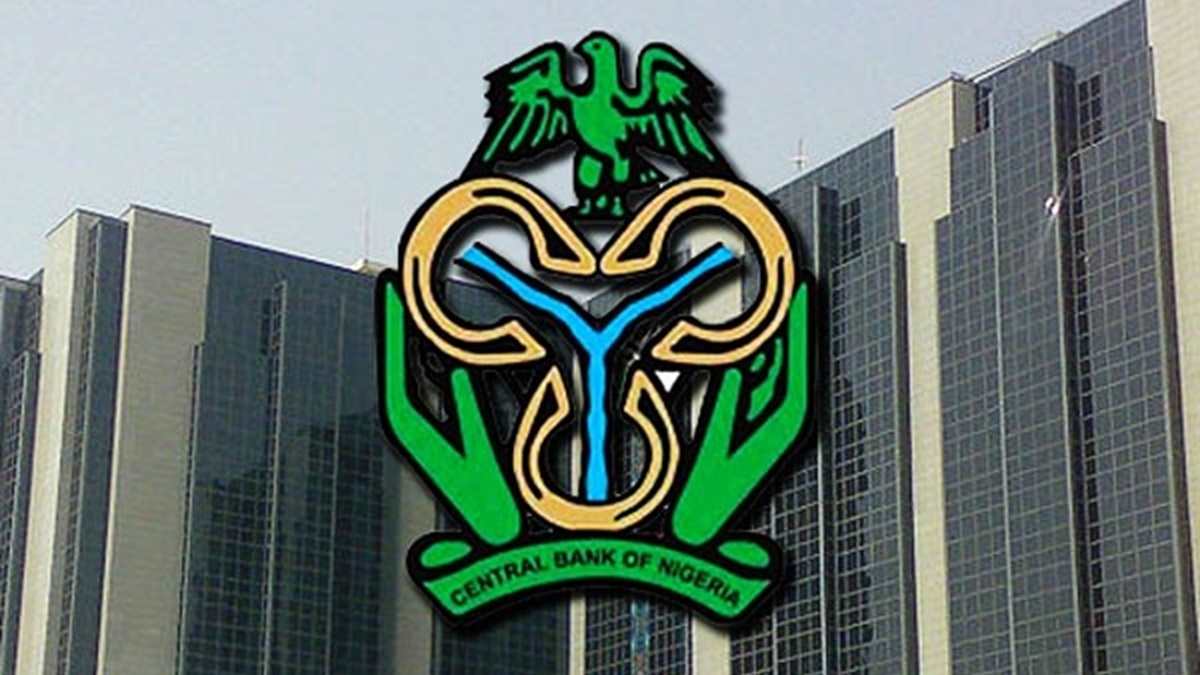
    The Central Bank of Nigeria (CBN) has taken a less aggressive approach to liquidity management this week, even with inflows from matured OMO bills and Treasury bills entering the money market.

    Market liquidity started the day with a credit balance of ₦3.86 trillion, an increase of ₦632.81 billion from Wednesday’s close, bolstered by ₦378.43 billion from Treasury bill maturities, Herwood Capital Limited disclosed in a note.

    With over ₦29 billion in primary market repayments, the interbank market ended positively on Thursday, leading to a decrease in the overnight Nigerian Interbank Offer Rate (NIBOR) by 4 basis points to 22.24%.

    In a note, Cowry Asset Limited said longer-dated tenors also declined, with 1-month, 3-month, and 6-month rates dropping by 16 basis points, 31 basis points, and 0.1 basis point, respectively.

    As a result, money market funding costs varied: the overnight lending rate fell by 2 basis points to 22.21%, while the Open Repo rate remained unchanged at 22.00%.

    Due to strong trading activity and robust investor interest, the average yield on Nigerian Treasury bills also decreased by 4 basis points to 18.13%.

    Financial analysts said they expect Interbank funding rates to remain range-bound in the near term, supported by current system liquidity levels. #Overnight Rate Dips on Excess Banking System Liquidity

    Money Market Liquidity Dips as CBN Debits Banks for CRR

    Money Market Overnight rate
    Share. Facebook Twitter Pinterest LinkedIn Tumblr Email
    Olu Anisere
    • Website
    • LinkedIn

    Olu Anisere is a financial and economic journalist at MarketForces Africa, specialising in African macroeconomic policy, international finance, energy markets, and continental development.He covers major multilateral institutions, including the International Monetary Fund (IMF), World Bank, and the United Nations Economic Commission for Africa (ECA), providing readers with frontline reporting on policies shaping Africa's economic trajectory.Olu has reported extensively on Nigeria's fiscal and monetary policy landscape, including CBN interest rate decisions, Nigeria's bond market, FX inflows, and the country's engagement with global financial institutions.His coverage spans IMF and World Bank Spring and Annual Meetings, African Ministers of Finance conferences, and high-level economic forums where Africa's development agenda is set.His reporting captures perspectives from Africa's most influential economic voices, including Tony Elumelu, senior IMF officials, and CBN leadership, bringing institutional insight and policy depth to MarketForces Africa's readers.Olu also covers Inside Africa — tracking economic, investment, and development stories from across the continent. Olu Anisere is based in Lagos, Nigeria.

    Keep Reading

    Risk-off: High U.S. Treasury Yields Make Nigerian Eurobonds Unattractive

    Nigerian Bonds Yields Gapping on Macro Sentiment, Buying Actions

    Treasury Bills Yields Fall on Investor Demand for Naira Assets

    FG Targets Transparent Tax System Through Digital Reforms

    U.S. Hits Nigeria, 80 other Countries With New Tariffs Citing ‘Forced Labour’

    BUA Cement Grows Profit by 80% in H1-2026

    Add A Comment

    Comments are closed.

    Editors Picks

    Risk-off: High U.S. Treasury Yields Make Nigerian Eurobonds Unattractive

    July 24, 2026

    Nigerian Bonds Yields Gapping on Macro Sentiment, Buying Actions

    July 24, 2026

    Treasury Bills Yields Fall on Investor Demand for Naira Assets

    July 24, 2026

    Overnight Rate Dips on Excess Banking System Liquidity

    July 24, 2026

    FG Targets Transparent Tax System Through Digital Reforms

    July 24, 2026
    Latest Posts

    Risk-off: High U.S. Treasury Yields Make Nigerian Eurobonds Unattractive

    July 24, 2026

    Nigerian Bonds Yields Gapping on Macro Sentiment, Buying Actions

    July 24, 2026

    Treasury Bills Yields Fall on Investor Demand for Naira Assets

    July 24, 2026

    FG Targets Transparent Tax System Through Digital Reforms

    July 24, 2026

    U.S. Hits Nigeria, 80 other Countries With New Tariffs Citing ‘Forced Labour’

    July 24, 2026

    Subscribe to News

    Get the latest sports news from Dmarketforces Africa about finance, business and tech.

    Advertisement
    Facebook X (Twitter) Pinterest Vimeo WhatsApp TikTok Instagram

    News

    • World
    • Politics
    • Economy
    • Business
    • Opinions
    • Fintech
    • Science & Technology

    Company

    • About us
    • Advertising
    • Classified Ads
    • Contact Info
    • Editorial Policy

    Services

    • Subscriptions
    • Research
    • Due Diligence
    • Newsletters
    • Sponsored News
    • Work With Us

    Subscribe to Updates

    Subscribe to updates from MarketForces Africa, an independent financial news service provider.

    © 2026 MarketForces Africa. All rights reserved.
    • Privacy Policy
    • Terms
    • Accessibility

    Type above and press Enter to search. Press Esc to cancel.