

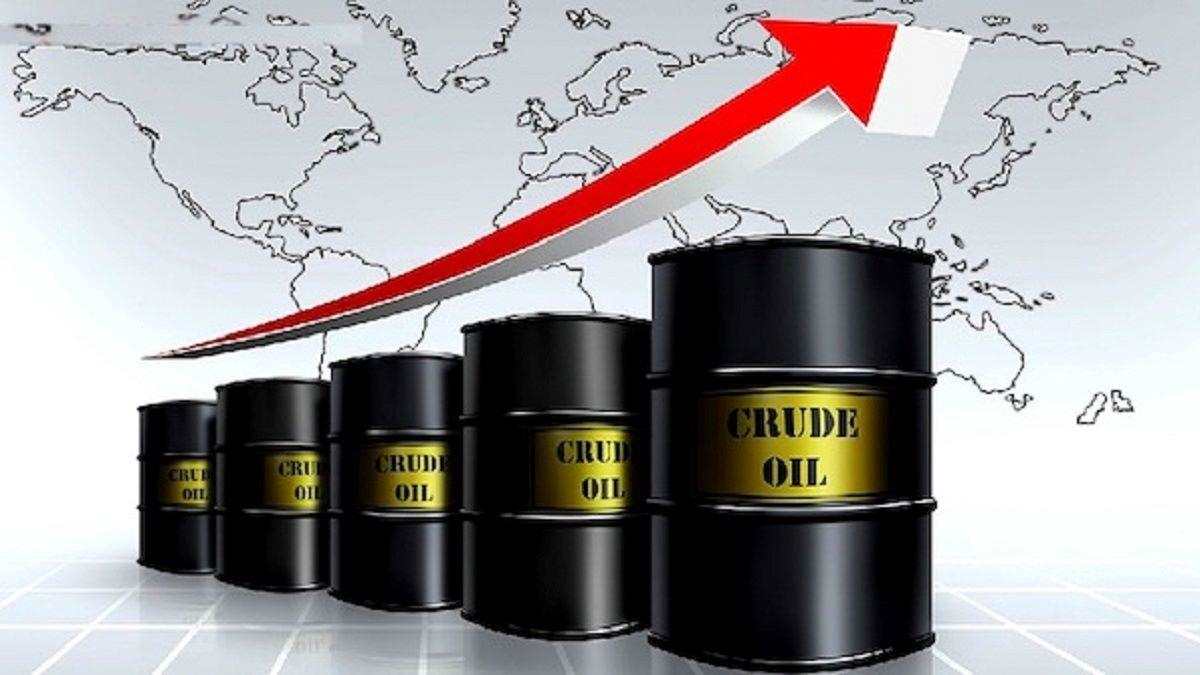
Oil Prices Surge on Renewed Energy Crisis, Brent Nears $85
Oil prices climbed nearly 2% on Tuesday as renewed US military action against Iran and heightened security concerns surrounding the Strait of Hormuz reinforced fears of supply disruptions, although expectations of tighter US monetary policy capped stronger gains.
Brent crude traded at $84.80 per barrel, up 1.8% from the previous close of $83.30. US benchmark West Texas Intermediate (WTI) traded at $79.57 per barrel, also up 1.8% from $78.14 in the previous session.
Brent briefly climbed above $85 per barrel during the session, its highest level in about a month, as investors assessed the potential impact of escalating tensions in the Gulf on global oil supplies.
US President Donald Trump said Monday that American forces were degrading Iran’s military capabilities related to the Strait of Hormuz and reinstating a naval blockade targeting the country, while maintaining that a diplomatic agreement with Tehran remained possible despite the escalating conflict.
His remarks came as the US carried out a third consecutive night of military strikes against Iran. The White House said the operations were intended to reduce Tehran’s ability to threaten commercial shipping and regional security in the Strait of Hormuz.
Iranian Foreign Minister Abbas Araghchi said Monday that Tehran would remain the “guardian” of the Strait of Hormuz after Trump threatened to impose fees on vessels using the strategic waterway.
Meanwhile, four people were injured after projectiles fired by US forces struck the southwestern Iranian city of Omidiyeh early Tuesday, according to a senior provincial official.
Valiollah Hayati, deputy governor of Iran’s Khuzestan province, said parts of Omidiyeh came under attack at around 2:10 a.m. local time (2240 GMT Monday), according to the state-run IRNA news agency.
“According to initial reports and assessments, four people have been injured in this attack,” Hayati said.
Earlier, the US Central Command (CENTCOM) said it had completed its latest round of strikes late Monday, targeting military facilities along Iran’s southern coast in an effort “to further degrade Iran’s ability to attack commercial shipping.”
Limiting further gains, Federal Reserve Governor Christopher Waller said additional monetary tightening could be considered if US core inflation data due later this week comes in stronger than expected.
Analysts said expectations that US interest rates could remain higher for longer may weigh on economic activity and fuel demand, tempering the rally in oil prices. Oil Prices Ease as Tensions Shift Demand, Supply Curve
