

Ethiopia Unlocks Access to $484 Million IMF Loan
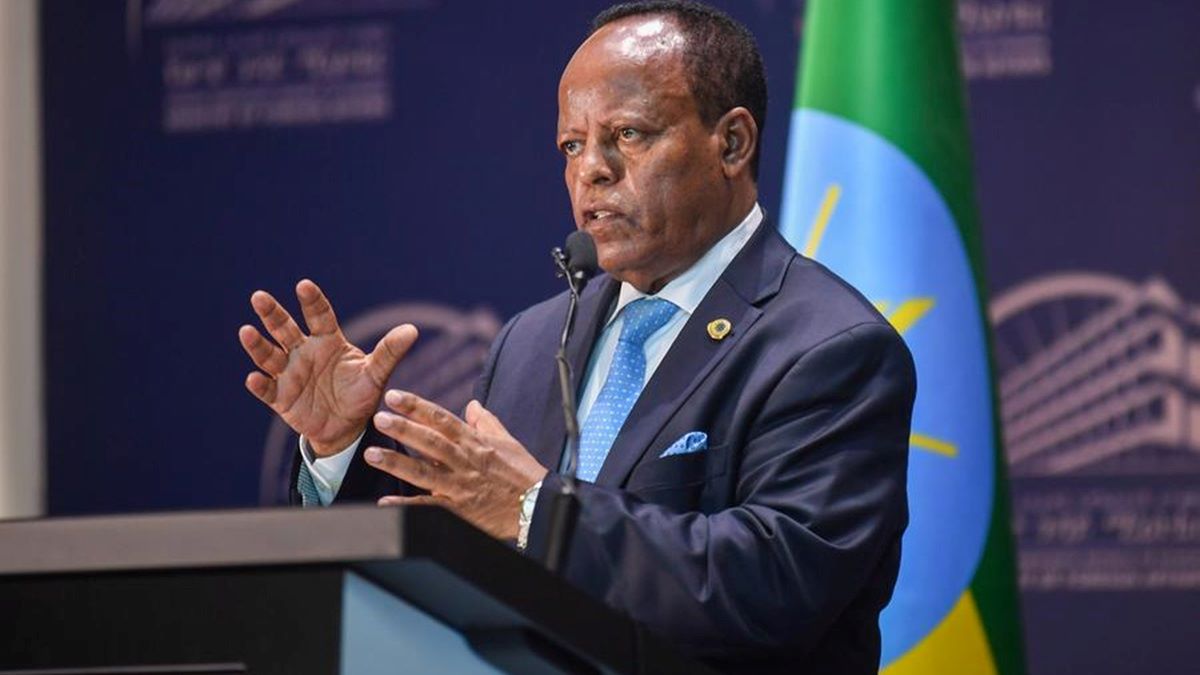
Ethiopia has unlocked access to $484 million loan from the International Monetary Fund (IMF) as the Executive Board completed the fifth review of the arrangement under the Extended Credit Facility (ECF).
IMF said that while strong macroeconomic performance to date has created resilience, the war in the Middle East represents a substantial external shock.
The Fund added that rephasing will bring forward about US$200 million under Ethiopia’s program to help ease near-term financing pressures and address the immediate impacts of the war.
The executive board said the Ethiopian authorities have made solid progress in achieving the objectives of the Fund-supported program. Strong exports, revenue mobilisation, and reserve accumulation indicate positive results from the reforms. The authorities continue their efforts to advance debt restructuring.
“The completion of the review brings total disbursements under the arrangement to about US$2.647 billion, with about US$200 million in additional resources to help address pressures stemming from the war in the Middle East, particularly the significantly higher price of imported fuel”. IMF said.
Ethiopia’s ECF arrangement for a total of SDR 2.556 billion (850 percent of quota) or about US$3.4 billion at the time of program approval on July 29, 2024, is aimed at supporting the authorities’ Homegrown Economic Reform Agenda (HGER) to address macroeconomic imbalances and lay the foundations for private sector-led growth.
Program performance overall was in line with program commitments. All quantitative performance criteria (QPCs) and most indicative targets (ITs) were met.
The government’s contribution to the Productive Safety Nets Program was below target, as donor contributions exceeded expectations, with overall support to beneficiaries exceeding objectives (including a supplement for urban beneficiaries in response to the external shock).
IMF said maintaining a tight monetary stance remains appropriate for anchoring inflation expectations.
Ethiopia is making sustained efforts to deepen the functioning of the foreign exchange (FX) market, such as partially easing certain exchange restrictions, developing an interbank FX market, and enhancing competition among banks.
Tax revenue growth and fiscal outcomes have remained strong. Prudent expenditure management and revenue administration reforms are important to ensure fiscal sustainability, revenue mobilisation, and priority spending objectives can be sustained in the medium term.
The authorities continue their efforts to advance debt restructuring. Several bilateral agreements have been signed with official creditors, and significant progress has also been made with several external commercial creditors.
IMF Staff said they welcome the agreement in principle reached with Eurobond holders. The financing assurances received and adjustment efforts made are consistent with IMF policy requirements and program parameters.
Following the Executive Board discussion, Mr. Nigel Clarke, Deputy Managing Director and Chairman of the Board, made the following statement:
“The authorities continue to make progress in advancing their economic reform agenda, with favourable macroeconomic outcomes despite a challenging environment.
The war in the Middle East represents a significant external shock, and continued reform efforts, alongside adroit responses to emerging challenges, will be important for sustaining macroeconomic momentum.
“Sustained efforts by the National Bank of Ethiopia (NBE) to enhance foreign exchange (FX) market functioning remain essential for efficient price discovery.
~Ongoing actions to enforce net open FX position limits, develop the interbank FX market, and relax exchange restrictions are welcome, alongside efforts to enhance competition among banks and fairer treatment of clients.
~Developing a well-designed plan for NBE to improve its gold market operations, and eventually exit the gold market, consistent with reserve accumulation objectives will be important.
“Maintaining a tight monetary stance remains appropriate to anchor inflation expectations, and the NBE should stand ready to tighten further if second round inflationary pressures emerge. Continued modernization of the monetary policy framework and fostering a competitive, market-oriented financial sector will support effective monetary transmission.
“Prudent expenditure management and sustained revenue mobilization remain key to advancing development objectives and fiscal sustainability. Strong revenue performance is welcome.
~Phasing out fuel subsidies while protecting vulnerable groups will create space to advance economic development and social spending objectives. Further progress on fiscal transparency, fiscal risk monitoring, and oversight of state-owned enterprises remains important.
“Completing the debt restructuring process through good faith engagement with creditors will help restore debt sustainability and meet financing needs. Prudence in contracting new debt, along with the development of a liquid local currency market, is important to limiting debt vulnerabilities.
“Continued efforts to strengthen financial sector oversight and financial safety nets remain important, along with close monitoring of private credit growth.
“Further progress on central bank governance reforms, including appointing new independent members to the NBE Board and recapitalisation, will support the NBE’s autonomy and strengthen its capacity to execute its policy mandate.” Ethiopian Airlines Cancel Flights to 10 Middle East Destinations
