

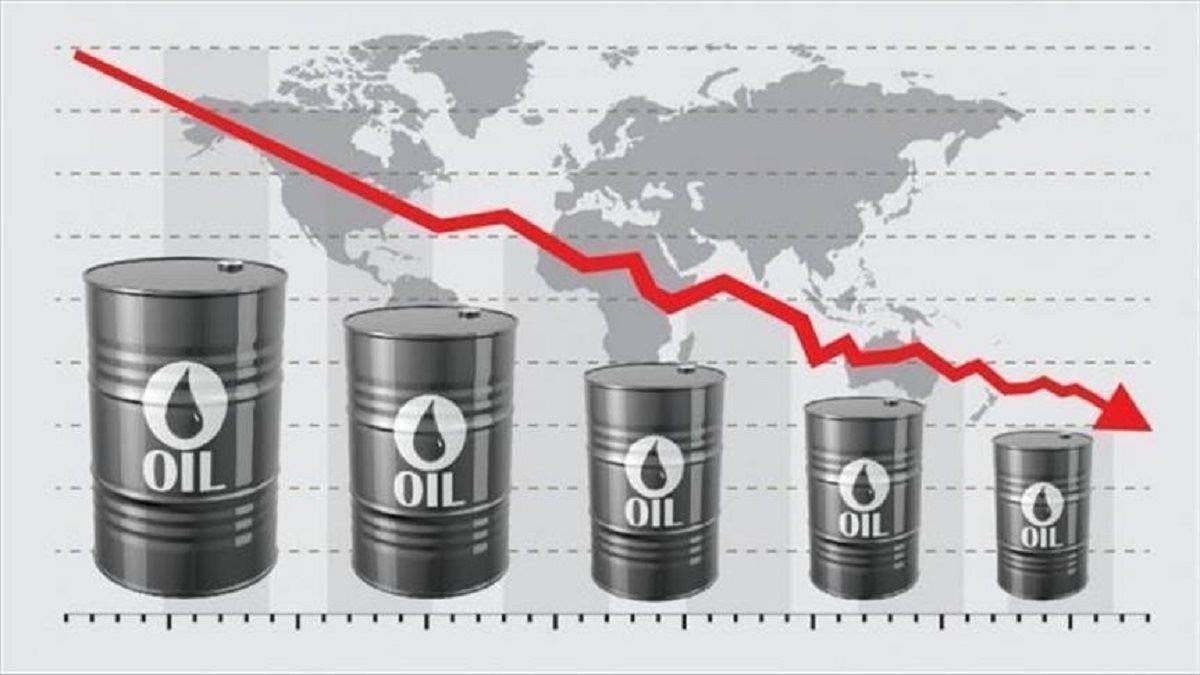
Crude Oil Prices Fall Below $80 as Supply Risk Eases
Oil prices continued to decline on Wednesday amid expectations that the US and Iran could reach an interim agreement, potentially paving the way for the resumption of oil shipments through the Strait of Hormuz.
Easing supply risks now raise the potential for an oil glut amid increased OPEC+ supply. The international benchmark Brent crude traded at $78.27 per barrel, down about 0.9% from the previous close of $78.96.
US benchmark West Texas Intermediate (WTI) fell 1.6% to $75.39 per barrel, compared with $76.61 in the previous session. US Vice President JD Vance described the framework under discussion between Washington and Tehran as a “regional peace agreement,” saying it would cover not only Iran but also Gulf countries, Israel and Lebanon.
Vance said the deal could prove transformative for the Middle East if Iran fulfils its commitments, while warning that Tehran would gain no economic benefits if it fails to comply. He also stressed that the framework differs from the Marshall Plan, noting that it would not be financed by American taxpayers.
US President Donald Trump, speaking after a meeting with UAE President Mohammed bin Zayed Al Nahyan on the sidelines of the G7 Summit in Evian-les-Bains, France, made strong remarks regarding Iran’s stockpile of enriched uranium.
Trump said the material would be destroyed if it came under US control, adding that Washington’s objective was not to possess it but to eliminate it entirely.
He also said the Strait of Hormuz would be fully reopened by June 19, arguing that the resumption of oil flows had already contributed to lower prices and reduced market risk perceptions.
Trump further stated that the parties aim to finalise key negotiating issues during the 60-day period following the planned signing of the memorandum of understanding with Iran, adding that the normalisation of relations could accelerate progress in the talks.
Pakistani Prime Minister Shehbaz Sharif announced on June 15 that the US and Iran had reached an understanding to end hostilities across all fronts, including Lebanon, following negotiations.
Iranian Deputy Foreign Minister Kazem Gharibabadi also confirmed the agreement and said the memorandum of understanding (MOU) would be signed in Switzerland on June 19.
Trump had previously said that a peace agreement with Iran had been finalised, that the Strait of Hormuz would reopen and that the US naval blockade would be lifted immediately.
These developments eased concerns over global oil supplies and added downward pressure on prices.
Meanwhile, the American Petroleum Institute (API) estimated that US commercial crude oil inventories fell by 8.33 million barrels last week, compared with market expectations of a 4.5 million-barrel decline.
The larger-than-expected draw signalled strong fuel demand in the world’s largest oil consumer, helping to limit downside pressure on prices. Investors are also closely watching the US Federal Reserve’s (Fed) interest rate decision later on Wednesday.
The meeting will be the first chaired by new Fed Chair Kevin Warsh. While the central bank is widely expected to leave rates unchanged, markets will focus on the tone of Warsh’s forward guidance.
Traders will also monitor the International Energy Agency’s (IEA) Oil Market Report due later in the day. Oil Prices Tumble by 5% as Iran Opens Strait of Hormuz
