

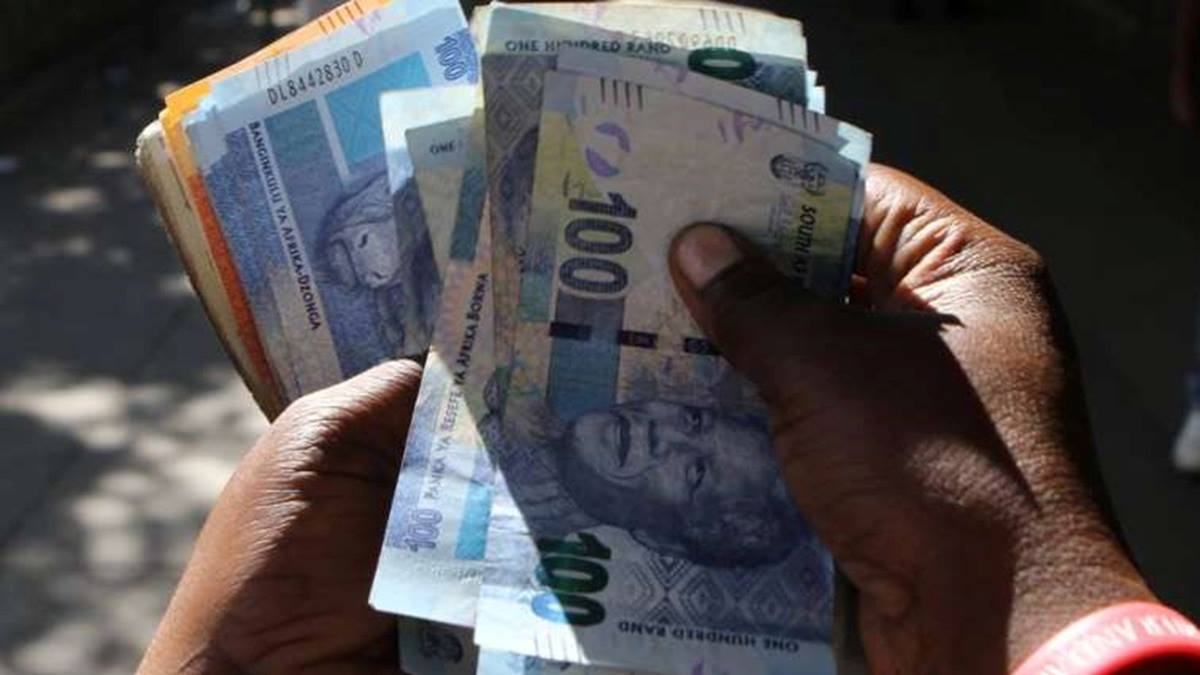
South African Rand Trades Rangebound as Market Digests Data
South African local currency, Rand is trading sideways on Thursday after inflation data released amidst ongoing negotiation between the US and Iran as part of an efforts to reopen Iran’s Strait of Hormuz.
Rand or ZAR appreciated well against its major crosses on Wednesday and is trading rangebound this morning as traders continue to monitor the peace talks while digesting the fresh local data points.
According to morning brief released by First National Bank (FNB), South African rand is trading at R16.49 to the US dollar, R19.17 to the euro and R22.14 to the British pound on Thursday.
The Middle East crisis continue to keep oil prices elevated, pushing negative global inflation outlook narrative across the markets. The development fueled demand for the US dollar, which has become the key beneficiary of the geopolitical disruption that stoked global energy crisis.
The tension remains negative for South African economy, inflation outlook as oil prices put pressures on the local unit – with sharp decline in gold prices.
The bullion traded higher in yesterday’s session and is holding onto gains this morning amid growing optimism of an imminent peace deal between the US and Iran, which countered fears of inflation and a Fed rate hike. This morning gold is trading at ~$4 540/ounce.
Oil prices fell on Wednesday but are paring some losses this morning as traders monitor peace negotiations between the US and Iran amid supply constraints and US inventory drawdowns. This morning Brent crude oil is trading at ~$106/barrel.
Headline inflation rose to 4.0% year-on-year (y/y) in April from 3.1% in March. The print is higher than our forecast of 3.8% but in line with market consensus. Monthly pressure was 1.1%, mainly due to pressures from fuel and core inflation, with a further marginal pressure from food.
Core inflation lifted to 3.6%, with monthly pressure of 0.5%. Services inflation recorded 0.6% month-on-month (m/m), and 4.6% y/y, mainly driven by medical insurance, communication and public transport. Core goods inflation was 0.3% m/m and 1.4% y/y.
Average fuel prices increased by 18.2% m/m and were 11.4% higher than in April 2025.Food and NAB inflation slowed to 2.9% y/y with average prices rising by 0.7% m/m mainly driven by vegetables, meat as well as dairy and eggs. Global Equities Rally as US, Iran Keep Peace Talks Open
