

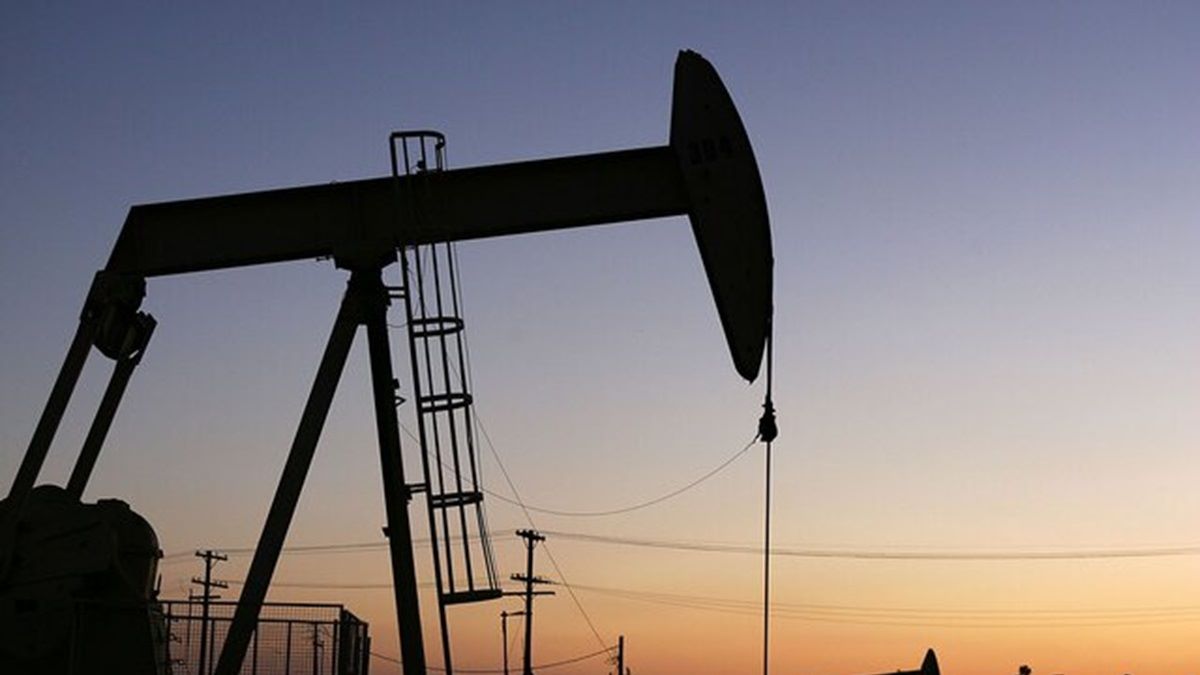
Oil Rebounds after De-escalation Signals Plunge Crude Prices
Brent crude price rose on Tuesday, recovering some of the losses from the previous session as escalating tensions in the Middle East continued to raise concerns about potential supply disruptions.
International benchmark Brent crude traded at $98.74 per barrel, an increase of about 3% from the previous close of $95.92. Meanwhile, the US benchmark West Texas Intermediate (WTI) saw an increase of 3.6%, reaching $91.30 per barrel, up from $88.13 in the prior session.
This rebound follows a price drop the day before when US President Donald Trump announced a five-day pause in planned strikes on Iran’s energy infrastructure. This announcement raised hopes for a diplomatic breakthrough and eased immediate supply concerns.
However, the gains proved short-lived as markets shifted their focus back to the risk of a broader regional conflict that could disrupt oil flows, particularly through the Strait of Hormuz, a critical chokepoint for global energy supplies.
Uncertainty was further heightened by reports that Saudi Arabia and the United Arab Emirates may be moving closer to aligning with US and Israeli forces. Both countries have faced repeated Iranian attacks targeting energy facilities and economic assets.
“Saudi Arabia’s patience with Iranian attacks is not unlimited,” Saudi Foreign Minister Faisal bin Farhan told reporters last week after a series of Iranian strikes on Gulf energy infrastructure. “Any belief that Gulf countries are incapable of responding is a miscalculation.”
Saudi Arabia has reportedly granted US forces access to a major airbase, while the UAE is considering measures such as freezing Iranian assets, which could potentially increase economic pressure on Tehran.
At the same time, strikes on Iran’s energy infrastructure have intensified. Iranian media reported damage to gas facilities in Isfahan and Khorramshahr, although no casualties were reported.
The conflict escalated following US and Israeli strikes on Iran on February 28, which prompted Iran to respond with repeated drone and missile attacks targeting Israel and Gulf countries hosting US military assets.
Trump warned that Washington could still target Iran’s energy sector if Tehran fails to reopen the Strait of Hormuz, even as he mentioned “very good” discussions and left the door open for a deal. Iran has denied that any talks are underway.
Analysts indicate that the oscillation between military escalation and diplomatic signals is driving volatility in oil markets.
While a temporary pause in strikes briefly lowered prices, renewed attacks on energy infrastructure are heightening supply risks and pushing oil prices higher. Denmark Votes as Prime Minister Frederiksen Seeks 3rd Term After Greenland Crisis
