
Close Menu
MarketForces AfricaMarketForces Africa
    What's Hot

    Naira Rebounds as Interbank FX Turnover Climbs by 20%

    July 1, 2026

    What Namibia Can Learn from Angola’s Oil Reform Playbook

    July 1, 2026

    Nigerian Government Raises N19trn from T-Bills, Bonds in 6 Months

    July 1, 2026
    Facebook X (Twitter) Instagram
    Trending
    • Naira Rebounds as Interbank FX Turnover Climbs by 20%
    • What Namibia Can Learn from Angola’s Oil Reform Playbook
    • Nigerian Government Raises N19trn from T-Bills, Bonds in 6 Months
    • NIA Unveils Podcast Studio to Boost Insurance Awareness
    • XRP Price Declines by 55% in 12 Months -Trading Data
    • Bitcoin Dip as Strategy Inc. Plans Selling, UAE Goldman Lampe Ups Bet
    • Consortium of 140 Companies Launches Stablecoin OUSD
    • CBN Sells N1.6trn OMO Bills, Prices 7-Day Tenor at 21.9%
    • Home
    • About Us
    Facebook X (Twitter) Instagram LinkedIn WhatsApp TikTok Telegram
    MarketForces AfricaMarketForces Africa
    Subscribe
    Wednesday, July 1
    • Home
    • News
    • Analysis
    • Economy
    • Mobile Banking
    • Entrepreneurship
    MarketForces AfricaMarketForces Africa
    MarketForces Africa » MarketForces News » Edun Calls for Global South Unity to Check Fragility

    Edun Calls for Global South Unity to Check Fragility

    Olu AnisereBy Olu AnisereFebruary 19, 2026 News No Comments4 Mins Read
    Edun Calls for Global South Unity to Check Fragility
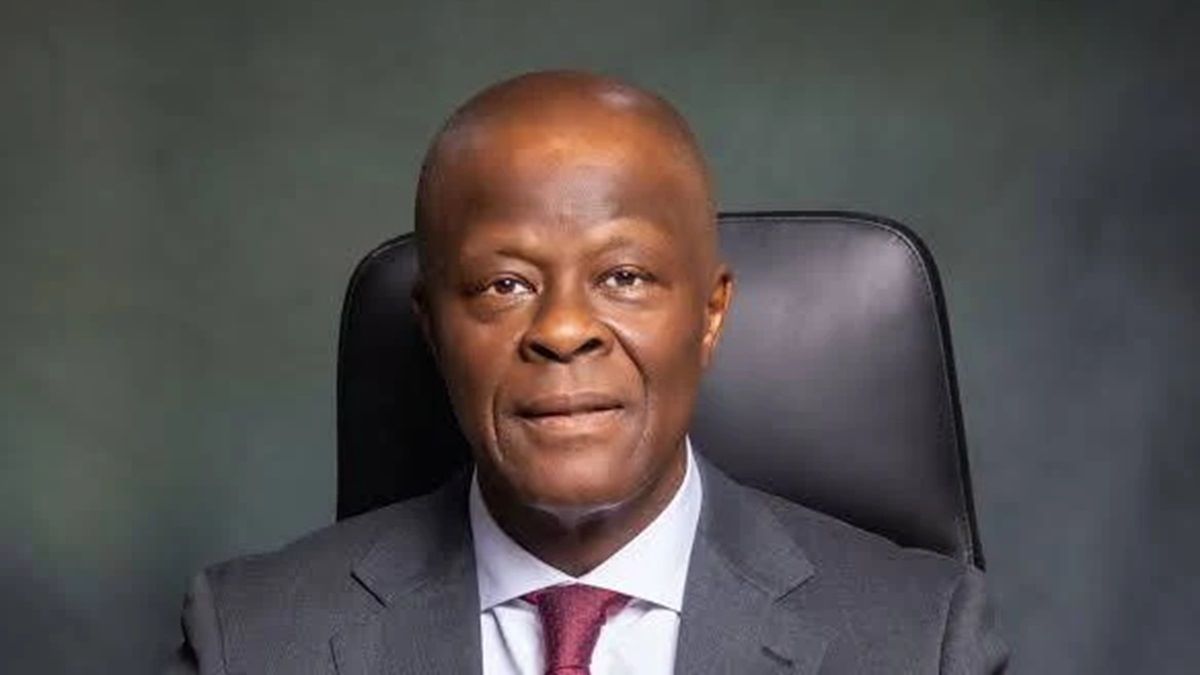
    Wale Edun, Finance Minister
    Share
    Facebook Twitter LinkedIn Pinterest Email Tumblr Reddit Telegram WhatsApp Copy Link

    Edun Calls for Global South Unity to Check Fragility

    The Minister of Finance and Coordinating Minister of the Economy, Mr Wale Edun, says there is a need for unity among countries of the Global South to check the rising fragility in global growth.

    Edun said this at the Intergovernmental Group of 24 (G-24) Technical Group Meeting (TGM) 2026 in Abuja on Thursday.

    He said that the current global economic environment was marked by profound uncertainties, systemic vulnerabilities and a contest between fragmentation and integration, which also hampered trade and debt sustainability.

    The minister said that the recurring theme of fragility, whether in growth, trade flows, debt sustainability or institutional capacity reflected the precarious state of the global economy.

    He said that the TGM was not merely a routine technical engagement.

    According to him, it is also an opportunity to reshape development trajectories for countries of the Global South at a time when global risks were converging faster than institutions could respond.

    He said that findings revealed from the World Economic Forum’s global risk survey revealed that half of the experts surveyed expected global conditions to remain volatile over the next two years.

    Edun said that 57 per cent foresaw instability over the next decade, while only one per cent anticipated a calm global environment.

    He said that the 2026 Global Risk Report identified economic confrontation in the form of tariffs, sanctions, investment restrictions and strategic decoupling as the most likely trigger of global crises.

    “Deepening fragmentation can reduce global output by up to two percentage points and shrink global trade by more than two per cent, with developing and emerging markets bearing the brunt.

    “Africa, despite accounting for 17 per cent of the world’s population, contributes only about three per cent of global trade and roughly 2.5 per cent of global output.

    ”Further fragmentation can only worsen this imbalance,” he said.

    Edun said that due to fiscal fiscal paradox confronting Emerging Markets and Developing Economies (EMDEs), over a quarter of them had lost access to international capital markets

    According to him, more than half were showing signs of debt distress.

    He said that debt service payments in recent years had outweighed foreign direct investment and Official Development Assistance (ODA) inflows to many developing countries, constraining fiscal space for health, education, infrastructure and climate resilience.

    Edun said that there was the need to reform global financial structures to close the widening Sustainable Development Goals (SDG) financing gap, now estimated at between four trillion dollars and five trillion dollars annually.

    He said that over the past two and a half years, the Nigerian government had implemented politically complex but necessary reforms aimed at restoring macroeconomic stability and correcting distortions.

    “These measures lay the groundwork for a more competitive, transparent and resilient economy.

    “Nigeria now stands at the threshold of consolidation, which demands the same discipline and policy consistency that underpinned the stabilisation phase,” he said.

    He said that the early outcomes of the reforms had gained global recognition and improved investor confidence, particularly in the oil sector, where major operators had responded positively to new incentives.

    The minister said that the country was deliberately shifting from a debt-driven growth model to an investment-led framework anchored on domestic reforms, private capital mobilisation and diversified financing instruments.

    “To achieve its target of seven per cent annual growth, the country requires an investment-to-GDP ratio of about 30 per cent.

    “The private sector is expected to play a dominant role through structured public-private partnerships and asset optimisation,” the minister said.

    On domestic resource mobilisation, he said that the government was advancing comprehensive revenue reforms focused on efficiency, transparency, automation and technology-driven compliance.

    Equities Market Expands Near N124trn, Investors Gain N1.7trn

    Edun
    Share. Facebook Twitter Pinterest LinkedIn Tumblr Email
    Olu Anisere
    • Website
    • LinkedIn

    Olu Anisere is a financial and economic journalist at MarketForces Africa, specialising in African macroeconomic policy, international finance, energy markets, and continental development.He covers major multilateral institutions, including the International Monetary Fund (IMF), World Bank, and the United Nations Economic Commission for Africa (ECA), providing readers with frontline reporting on policies shaping Africa's economic trajectory.Olu has reported extensively on Nigeria's fiscal and monetary policy landscape, including CBN interest rate decisions, Nigeria's bond market, FX inflows, and the country's engagement with global financial institutions.His coverage spans IMF and World Bank Spring and Annual Meetings, African Ministers of Finance conferences, and high-level economic forums where Africa's development agenda is set.His reporting captures perspectives from Africa's most influential economic voices, including Tony Elumelu, senior IMF officials, and CBN leadership, bringing institutional insight and policy depth to MarketForces Africa's readers.Olu also covers Inside Africa — tracking economic, investment, and development stories from across the continent. Olu Anisere is based in Lagos, Nigeria.

    Keep Reading

    Naira Rebounds as Interbank FX Turnover Climbs by 20%

    What Namibia Can Learn from Angola’s Oil Reform Playbook

    Nigerian Government Raises N19trn from T-Bills, Bonds in 6 Months

    NIA Unveils Podcast Studio to Boost Insurance Awareness

    XRP Price Declines by 55% in 12 Months -Trading Data

    Bitcoin Dip as Strategy Inc. Plans Selling, UAE Goldman Lampe Ups Bet

    Add A Comment

    Comments are closed.

    Editors Picks

    Naira Rebounds as Interbank FX Turnover Climbs by 20%

    July 1, 2026

    What Namibia Can Learn from Angola’s Oil Reform Playbook

    July 1, 2026

    Nigerian Government Raises N19trn from T-Bills, Bonds in 6 Months

    July 1, 2026

    NIA Unveils Podcast Studio to Boost Insurance Awareness

    July 1, 2026

    XRP Price Declines by 55% in 12 Months -Trading Data

    June 30, 2026
    Latest Posts

    Naira Rebounds as Interbank FX Turnover Climbs by 20%

    July 1, 2026

    What Namibia Can Learn from Angola’s Oil Reform Playbook

    July 1, 2026

    Nigerian Government Raises N19trn from T-Bills, Bonds in 6 Months

    July 1, 2026

    NIA Unveils Podcast Studio to Boost Insurance Awareness

    July 1, 2026

    XRP Price Declines by 55% in 12 Months -Trading Data

    June 30, 2026

    Subscribe to News

    Get the latest sports news from Dmarketforces Africa about finance, business and tech.

    Advertisement
    Facebook X (Twitter) Pinterest Vimeo WhatsApp TikTok Instagram

    News

    • World
    • Politics
    • Economy
    • Business
    • Opinions
    • Fintech
    • Science & Technology

    Company

    • About us
    • Advertising
    • Classified Ads
    • Contact Info
    • Editorial Policy

    Services

    • Subscriptions
    • Research
    • Due Diligence
    • Newsletters
    • Sponsored News
    • Work With Us

    Subscribe to Updates

    Subscribe to updates from MarketForces Africa, an independent financial news service provider.

    © 2026 MarketForces Africa. All rights reserved.
    • Privacy Policy
    • Terms
    • Accessibility

    Type above and press Enter to search. Press Esc to cancel.