

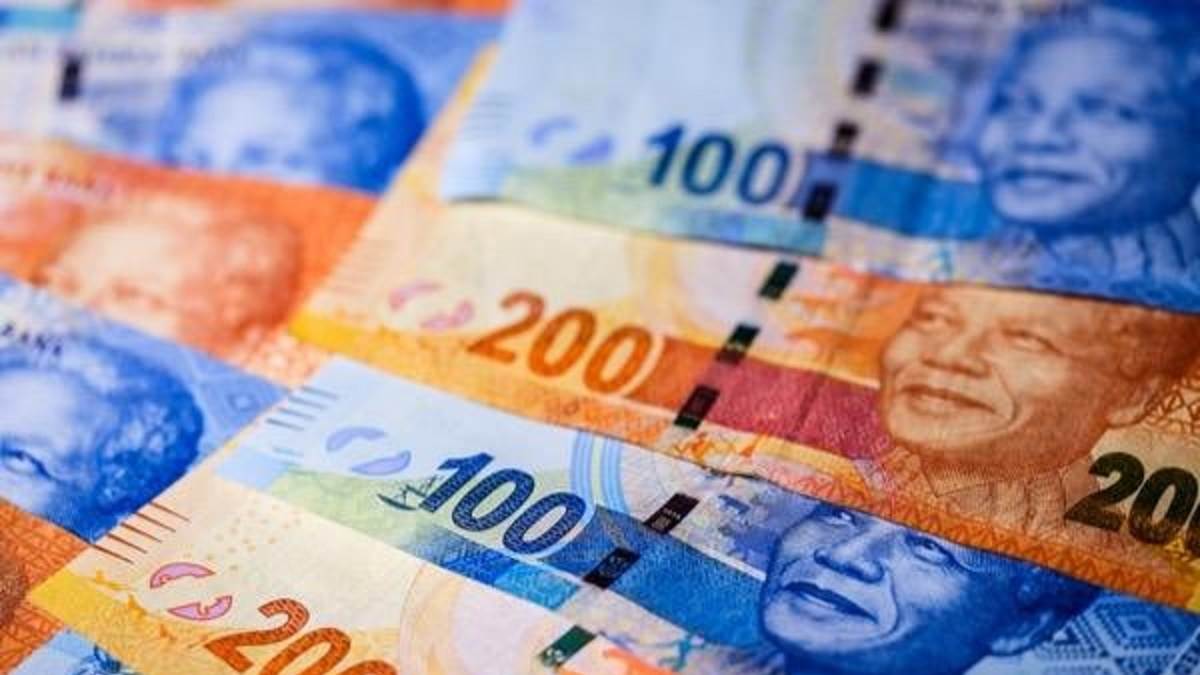
South African Rand Strengthens to ZAR16.7 Per Dollar
The South African rand (ZAR) strengthened to 16.7 per US dollar (USD) , the highest level since 2022, buoyed by surging prices of precious metals, particularly gold, amid hopes of further US interest rate cuts and escalating geopolitical tensions.
The rand has strengthened by more than 10% against the US dollar so far this year, underpinned by elevated commodity prices and improving local fundamentals.
Inflation rate dropped in November, boosting 2026 rate cut expectation amidst government moves to boost economic growth. The US dollar has been on the back foot in 2025 due to elevated uncertainty regarding American policy and increased questioning of the sustainability of government finances in the world’s largest economy.
With a cast on safe haven feature, U.S economic policy under President Donald Trump has eroded some of the key fundamentals that underpin a strong dollar.
Higher commodity prices soared in 2025 has strengthen the rand versus dollar, driven mainly by a significant rise in gold and platinum prices as investors searched for safe haven after dollar lost its allures.
South Africa government has continue to drive economic growth and fiscal sustainability, staying on track for its third consecutive primary budget surplus.
With a lower inflation target of 3%, rand’s value is anticipated to improve, ZARUSD has been enjoying significant stability since the second half of 2025.
Analysts said a lower inflation target will bring South Africa in line with its global peers, make its exports more competitive, drive economic growth, and reduce the state’s debt-servicing burden.
South Africa’s annual inflation slowed more than expected in November, strengthening the case for an interest-rate cut early next year as the central bank shifts toward a lower inflation target.
Consumer prices rose 3.5% from a year earlier, down from 3.6% in October, Statistics South Africa reported. On a monthly basis, prices fell 0.1%, compared with forecasts for no change. Only four of 11 economists surveyed had expected inflation to ease.
The reading moves inflation closer to the South African Reserve Bank’s new 3% target, formally adopted last month. It also follows data showing that inflation expectations two years ahead fell to 3.7% in the fourth quarter, the lowest level on record.
The combination of slowing inflation and easing expectations supports arguments for a rate cut at the central bank’s next policy meeting on January 29. The SARB has kept its benchmark rate unchanged at 8.25% since May, citing risks to price stability.Euro Climbs to $1.764 after U.S. Fed, ECB Diverge on Rates
