
Close Menu
    What's Hot

    Banking Index Climbs as Investors Eye Earnings, Dividends

    January 29, 2026

    NCC Says Telcos Network, Service Quality Improve in Q4

    January 29, 2026

    Fitch Downgrades Afreximbank, Withdraws Ratings

    January 29, 2026
    Facebook X (Twitter) Instagram
    • Home
    • About us
    Facebook X (Twitter) Instagram
    MarketForces AfricaMarketForces Africa
    Subscribe
    Thursday, January 29
    • Home
    • News
    • Analysis
    • Economy
    • Mobile Banking
    • Entrepreneurship
    MarketForces AfricaMarketForces Africa
    Home - Uncategorized - South African Banks Face Asset Quality Risks from Load Shedding
    Uncategorized

    South African Banks Face Asset Quality Risks from Load Shedding

    Marketforces AfricaBy Marketforces AfricaMarch 13, 2023Updated:March 13, 2023No Comments3 Mins Read
    Share Facebook Twitter Pinterest Copy Link LinkedIn Tumblr Email VKontakte Telegram
    South African Banks Face Asset Quality Risks from Load Shedding
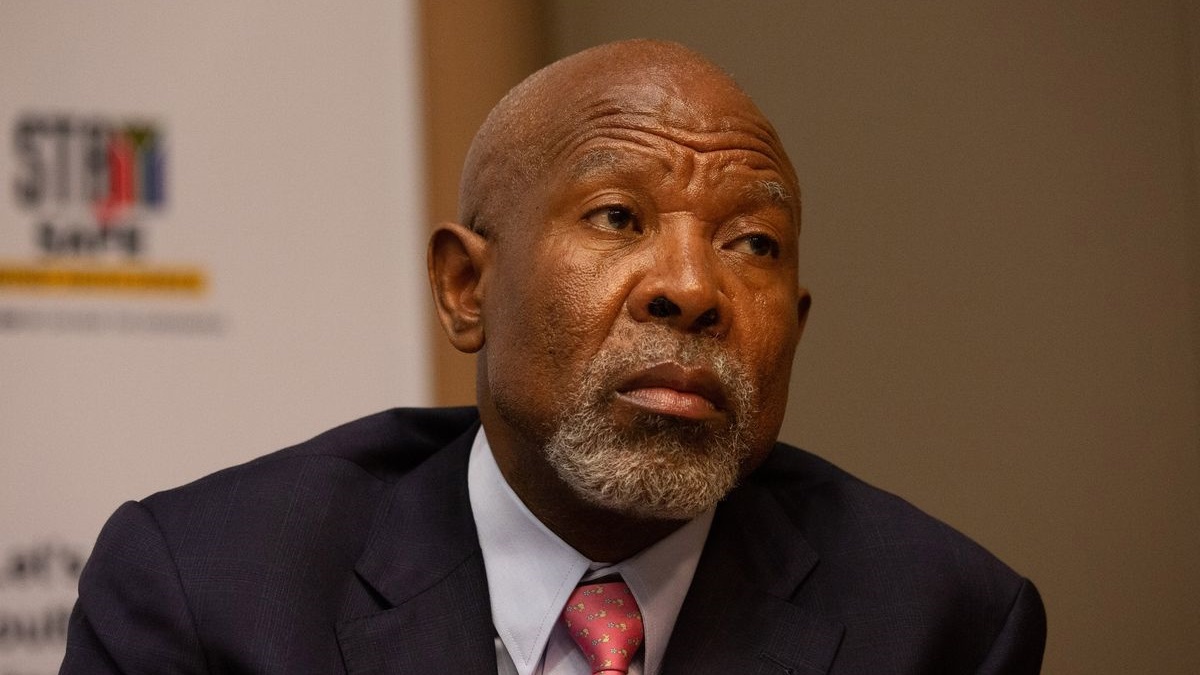
    Lesetja Kganyago, SARB Gov
    Share
    Facebook Twitter Pinterest Email Copy Link

    South African Banks Face Asset Quality Risks from Load Shedding

    South African banks face near-term asset quality pressures due to record load shedding on economic activity, Fitch Ratings says. Load shedding or power blackouts has caused significant disruption and reduced business confidence, currently at a two-year low, as well as raising labour market uncertainty.

    This adds to existing asset quality and profitability pressures from persistently slow economic growth, high inflation and rising interest rates. The financial health of South Africa’s electricity sector particularly that of the state-owned power utility Eskom, has continued to deteriorate.

    Eskom supplies more than 85% of South Africa’s electricity. The South African Reserve Bank (SARB) recently updated its GDP growth figure for 4Q22 to a 1.3% contraction.

    This follows a downward revision in its 2023 GDP growth forecast to 0.3%, from 1.1% previously. The lower forecast is partly due to SARB’s revised estimate of load-shedding days in 2023, exerting a 2pp drag on GDP growth during the year due to lost working days.

    According to SARB, the sectors most affected by load shedding are agriculture, mining and manufacturing. Load shedding will also add to inflationary pressures given disruptions to supply chains and decreased output.

    Increased reliance on diesel generators during power outages has caused the commercial property industry’s cost of operations to surge. Pressure on all businesses is compounded by the recent sharp increase (18.7%) in electricity prices, well above the rate of inflation (annual inflation was 6.9% in January 2023).

    South African banks have started reporting their 2022 financial results and are highlighting the impact of load shedding as a key operating environment risk for this year.

    Nedbank expects SME investment to slow until there is stability in energy supply, and that exposed sectors, such as agriculture and tourism, will incur losses and higher operating costs. Standard Bank views energy shortages as one of the biggest barriers to economic growth in Africa.

    South African banks are reporting 2022 earnings and profit growth, boosted by higher interest rates and the post-pandemic recovery in lending (credit growth increased by 10% yoy in 2022).

    However, Fitch analysts expect load shedding to have a delayed effect on the banks’ earnings and asset quality, which will become more pronounced in 2023.

    As a consequence, analysts said they expect banks to adopt more cautious views on credit growth. South Africa’s ‘BB-’/Stable rating has some headroom to absorb a temporary impact on economic metrics from load shedding, but a failure to address the problem over the medium term could put downward pressure on the rating.

    The South African banks rated by Fitch have an asset quality score commensurate with the sector’s non-performing loans ratio (end-2022: 4.7%), but the ratio could increase to the pandemic high of 5.2% if the load shedding crisis is prolonged. However, this alone should not lead to rating downgrades as other key rating drivers remain relatively solid.

    South African banks’ ratings are constrained by the sovereign rating. Any negative rating action on the sovereign rating driven by macroeconomic deterioration amid the country’s ongoing electricity crisis would be mirrored in the banks’ ratings.

    Naira Steadies as Banks Issue Update on FX Purchase

    75 / 100 SEO Score
    Share. Facebook Twitter Pinterest LinkedIn Tumblr Email Telegram Copy Link
    Marketforces Africa
    • Website
    • Facebook
    • X (Twitter)
    • Instagram
    • LinkedIn

    MarketForces Africa, a Financial News Media Platform for Strategic Opinions about Economic Policies, Strategy & Corporate Analysis from today's Leading Professionals, Equity Analysts, Research Experts, Industrialists and, Entrepreneurs on the Risk and Opportunities Surrounding Industry Shaping Businesses and Ideas.

    Related Posts

    Uncategorized

    Fitch Affirms Saudi Arabia at ‘A+’, Outlook Stable

    January 18, 2026
    Oil and Gas

    Seplat Energy Powers the Market into the Green

    January 14, 2026
    Oil and Gas

    Seplat Completes Conversion of Onshore Assets to PIA Fiscal Regime

    December 23, 2025
    Insurance

    Shareholders Back Guinea Insurance Plc’s Capital Raise

    December 22, 2025
    Uncategorized

    Nigerian Treasury Bills Rally after Spot Rates Repricing

    December 19, 2025
    Uncategorized

    Oil Prices Tighten over Demand, Supply Uncertainties

    December 18, 2025
    Add A Comment

    Comments are closed.

    Editors Picks

    Banking Index Climbs as Investors Eye Earnings, Dividends

    January 29, 2026

    NCC Says Telcos Network, Service Quality Improve in Q4

    January 29, 2026

    Fitch Downgrades Afreximbank, Withdraws Ratings

    January 29, 2026

    Geopolitical Tensions Raise Emerging Market Credit Risks in 2026

    January 29, 2026
    Latest Posts

    Fitch Affirms Saudi Arabia at ‘A+’, Outlook Stable

    January 18, 2026

    Seplat Energy Powers the Market into the Green

    January 14, 2026

    Seplat Completes Conversion of Onshore Assets to PIA Fiscal Regime

    December 23, 2025

    Shareholders Back Guinea Insurance Plc’s Capital Raise

    December 22, 2025

    Nigerian Treasury Bills Rally after Spot Rates Repricing

    December 19, 2025

    Subscribe to News

    Get the latest sports news from NewsSite about world, sports and politics.

    About US
    About US

    MarketForces Africa is a financial information service provider with interest in media, training and research. The media platform provides information about markets, economies, and crypto, forex markets and investment ecosystem.

    Contact Us:
    Suite 4, Felicity Plaza, Freedom Estate Drive, Lagos-Ibadan Express Road, Magboro
    T: . 08076677707, 08052076440

    Facebook X (Twitter) Instagram Pinterest YouTube
    Latest Posts

    Banking Index Climbs as Investors Eye Earnings, Dividends

    January 29, 2026

    NCC Says Telcos Network, Service Quality Improve in Q4

    January 29, 2026

    Fitch Downgrades Afreximbank, Withdraws Ratings

    January 29, 2026

    Subscribe to Updates

    Get the latest creative news from FooBar about art, design and business.

    © 2026 Marketforces Africa
    • About
    • Contact us
    • Subscription Plans
    • My account

    Type above and press Enter to search. Press Esc to cancel.