

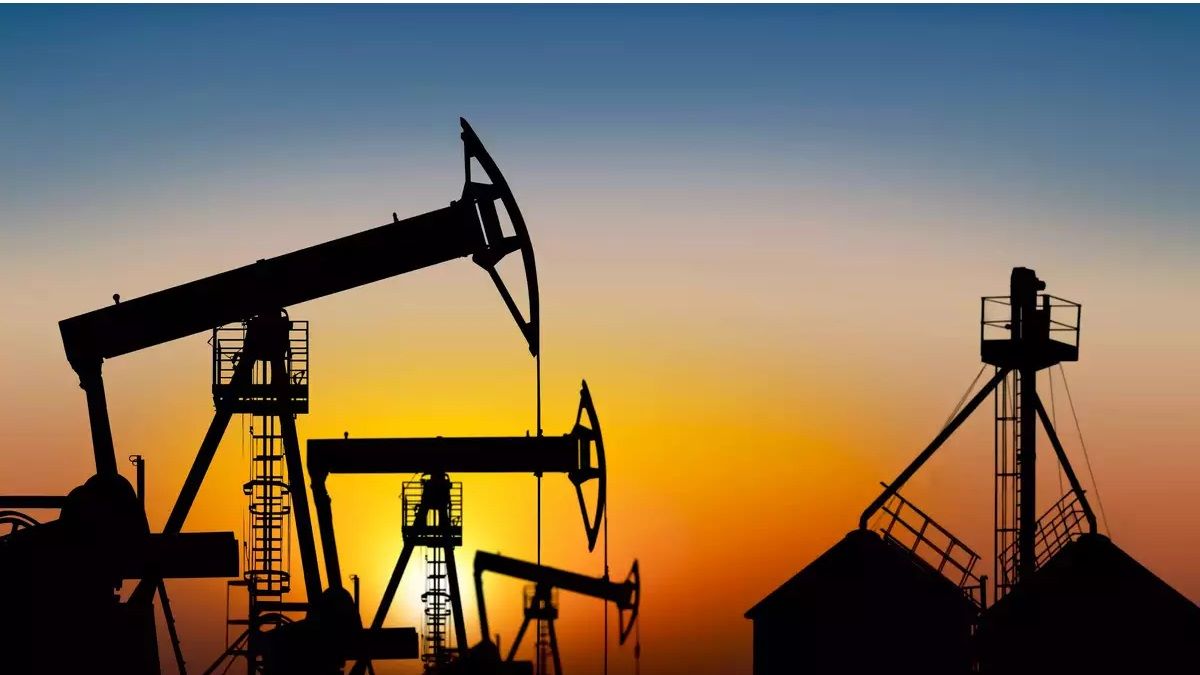
Oil Prices Slide over Subdued Demand, Supply Concerns
Oil prices slipped during early trading hours on Monday due to demand and supply uncertainties following the U.S. seizure of Venezuelan government leadership and OPEC+ members’ political tensions.
The market is assessing the potential impact of a US military move in Venezuela against a backdrop of ample global supply and muted demand growth. Brent crude traded at $60.33 per barrel, down 0.6% from last Friday’s close of $60.73.
US benchmark West Texas Intermediate (WTI) was at $56.82 per barrel, down around 0.7% compared with $57.21 last week. Prices opened lower in Asian trading and slipped again after a brief rebound, with gains capped by an abundance of supply, despite heightened geopolitical tensions.
On Saturday, the United States captured Venezuelan President Nicolas Maduro and U.S. President Donald Trump said Washington would take control of the country until a transition to a new administration becomes possible, without saying how this would be achieved.
Venezuela has the world’s largest oil reserves, bigger even than those of OPEC’s leader Saudi Arabia, but its oil production has plummeted due to years of mismanagement and sanctions.
The US is “in charge” of Venezuela, Trump said, following a military operation in which the country’s leader, Nicolas Maduro, and his wife were “captured” and brought to the US to face criminal charges.
“We’re dealing with the people who just got sworn in. Don’t ask me who’s in charge because I’ll give you an answer and it’ll be very controversial,” Trump told reporters aboard Air Force One when asked if he had spoken to Vice President Delcy Rodriguez, who was named by Venezuela’s top court Saturday as the country’s acting president.
“We need total access. We need access to the oil and to other things in their country that allow us to rebuild their country,” he said when asked what he needs from Rodriguez.
Experts say global oil supply remains strong, limiting the short-term price impact of any further cuts to Venezuela’s exports.
The US military strike did not damage Venezuela’s oil production or refining infrastructure, according to reports. US President Trump also said a second military operation could be launched if officials remaining in the Venezuelan administration refuse to cooperate.
Markets are also keeping an eye on Iran after Trump threatened possible intervention amid ongoing protests there. Meanwhile, the Organisation of Petroleum Exporting Countries (OPEC+) group agreed Sunday to keep output levels unchanged, adding to downward pressure on prices as supply remains ample and demand growth subdued.
OPEC+ indicated it would likely maintain steady oil output despite political tensions between key members Saudi Arabia and the UAE and the United States capture of the President Venezuela.
The decision was taken on Sunday at a meeting by eight members of OPEC+, which pumps about half the world’s oil. This comes after oil prices fell more than 18 per cent in 2025- their steepest yearly drop since 2020 -amid growing oversupply concerns.
The eight countries- Saudi Arabia, Russia, the UAE, Kazakhstan, Kuwait, Iraq, Algeria and Oman – raised oil output targets by around 2.9 million barrels per day from April to December 2025, equal to almost three per cent of world oil demand.
They agreed in November to pause output hikes for January, February and March. The meeting on yesterday is unlikely to make any changes to that policy, according to Reuters citing three OPEC+ sources.
Tensions between Saudi Arabia and the UAE flared last month over a decade-long conflict in Yemen, when a UAE-aligned group seized territory from the Saudi-backed government.
The crisis triggered the biggest split in decades between the former close allies, as years of divergence on critical issues came to a head.
OPEC has in the past managed to overcome serious internal rifts, such as over the Iran–Iraq War, by prioritising market management over political disputes.
Yet the group is facing numerous crises, with Russian oil exports pressured due to U.S. sanctions over its war in Ukraine, and Iran facing protests and U.S. threats of intervention. First Holdco Declines by 8% to N2.043trn after Re-Rating
